

Unveiling the Secrets of Termite Females: Insights from Broken Arrow Pest Control
When it comes to pest control, termites are among the most formidable and destructive insects homeowners face. These silent invaders can compromise the structural integrity of buildings, causing thousands of dollars in repairs. While many are familiar with the general life cycle of termites, the role of termite females often remains a fascinating and less understood aspect of their biology. At Broken Arrow Pest Control, we believe understanding these creatures better can help you appreciate the importance of professional pest management and early intervention.
The Role of Female Termites in the Colony
Termites are highly organized social insects, living in colonies that can number from a few thousand to several million individuals. Central to their colony’s survival are the reproductive termites—queens and kings—and the worker and soldier castes. The queen, often hidden deep within the colony, is primarily responsible for reproduction. Female termites, especially queens, are crucial because they produce the majority of the colony’s members, ensuring its growth and sustainability.
Unlike many insects, termite queens can live for several years, sometimes exceeding a decade, and during that time, they lay thousands of eggs. These eggs hatch into nymphs, which develop into workers, soldiers, or reproductive termites depending on the colony’s needs. The queen’s reproductive capacity is astonishing; in some species, a single queen can produce up to 2,000 eggs per day. This prolific reproduction underscores the importance of early detection and control to prevent extensive damage.
Unique Biological Features of Termite Females
Female termites, particularly queens, undergo remarkable physiological adaptations. Their bodies are designed for egg production, with enlarged abdomen sections that accommodate their reproductive organs. Interestingly, some termite queens can undergo a form of reproductive diapause, allowing them to regulate egg production based on colony needs and environmental conditions.
Additionally, in certain termite species, female termites are capable of parthenogenesis—reproducing without fertilization—although this is less common. This reproductive flexibility can make colonies more resilient, especially if the primary queen is lost. For homeowners, this resilience emphasizes the importance of professional pest control services like Broken Arrow Pest Control, which can accurately identify and target termite colonies before they establish a robust reproductive population.
How Termite Females Contribute to Colony Expansion
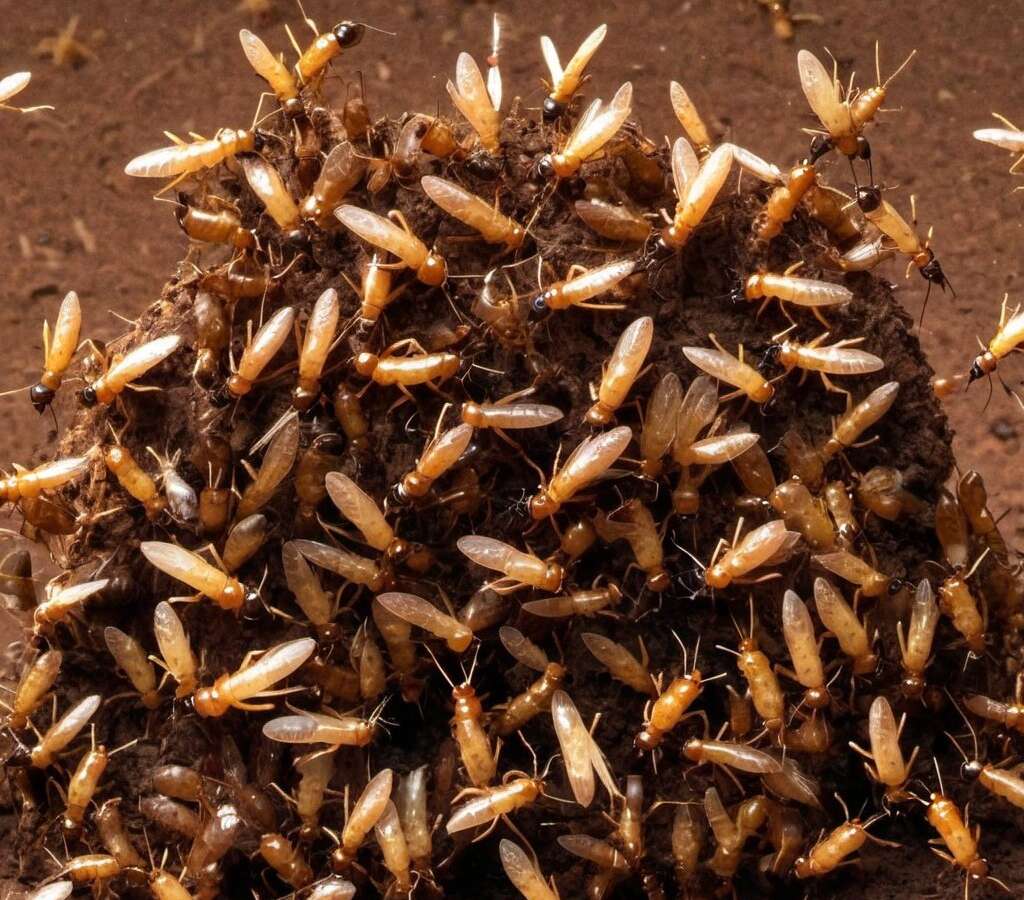
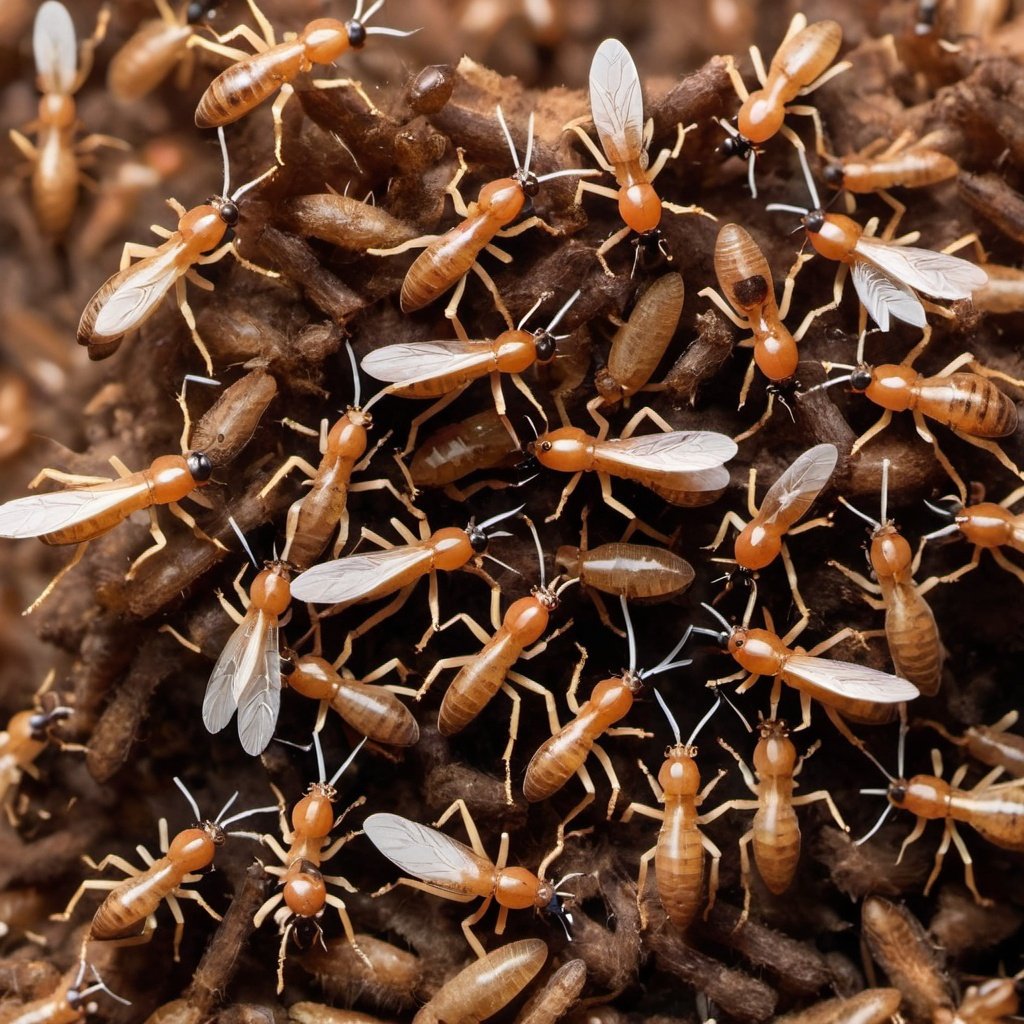
The reproductive females are vital for colony expansion, especially during the swarming season when new colonies are established. Winged reproductive termites, known as alates, leave the parent colony to mate and establish new colonies. After a successful flight, the fertilized female (queen) starts a new colony, often in hidden or hard-to-reach areas.
This process highlights the importance of early detection. Once a colony is established, especially with a fertile queen, control becomes more complex. Professional pest control providers like Broken Arrow Pest Control utilize advanced techniques to locate and eliminate these colonies, preventing the proliferation of new colonies and safeguarding your property.
The Importance of Professional Pest Control
Given the complex biology and reproductive capabilities of termite females, DIY solutions are often insufficient. Termite colonies can remain hidden within walls, underground, or within wood structures, making detection difficult. That’s why partnering with experts like Broken Arrow Pest Control is essential. Our trained technicians use specialized tools and treatments to identify, treat, and prevent termite infestations effectively.
For scientifically grounded information on termites, you can explore resources like the University of Florida’s Entomology Department or the Kansas State University Department of Entomology. These websites provide in-depth insights into termite behavior, biology, and control methods, emphasizing the importance of professional intervention.
Final Thoughts
Understanding the role of female termites, especially queens, underscores the importance of early detection and professional pest management. Their reproductive capacity and resilience make them formidable opponents for homeowners, but with the right team—like Broken Arrow Pest Control—you can protect your home from these destructive insects. Regular inspections, prompt treatment, and a good understanding of termite biology are your best defenses against an infestation.
If you suspect termite activity or want to learn more about protecting your property, contact Broken Arrow Pest Control today. We are committed to safeguarding your home with scientifically backed, effective pest control solutions. Remember, knowledge is power—especially when it comes to battling termites and preserving the integrity of your home.
Note: For further reading about termite biology and control strategies, visit reputable sources such as University of Florida Entomology or Kansas State University Entomology.