

Understanding Termite Moisture and the Role of a Broken Arrow Exterminator
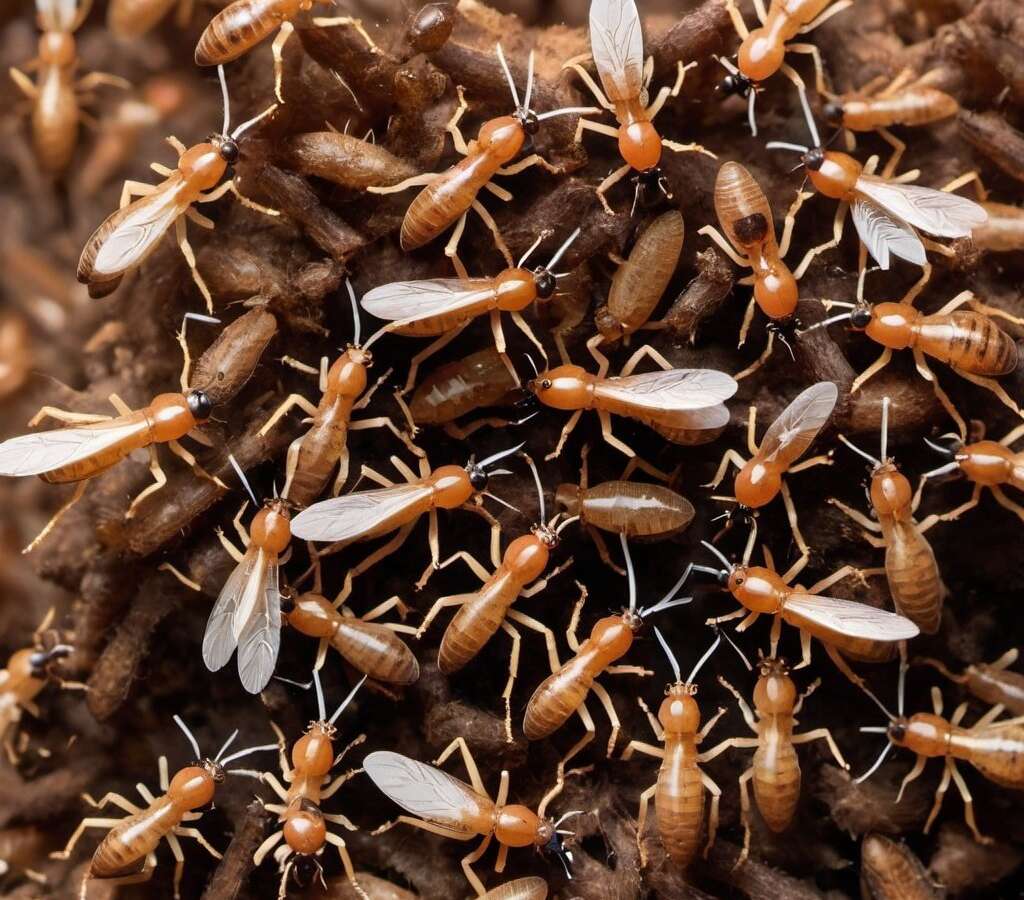
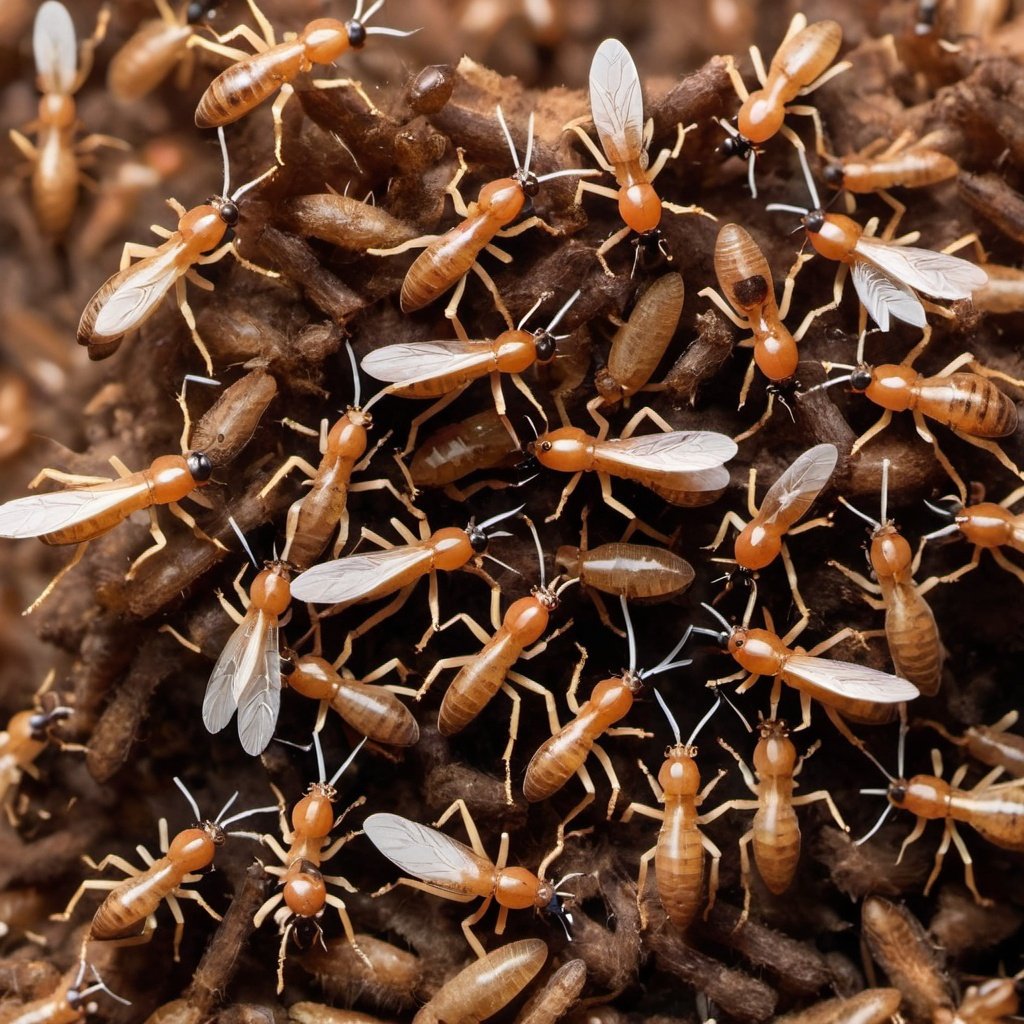
Termites are among the most destructive pests homeowners can encounter, silently causing thousands of dollars in damage if left unchecked. One often overlooked factor that significantly influences termite activity is moisture. Specifically, termite moisture levels and moisture management are critical considerations when dealing with termite infestations. If you’re residing in or around Broken Arrow, Oklahoma, engaging a professional like a Broken Arrow Exterminator can make all the difference in safeguarding your property.
The Connection Between Moisture and Termite Activity
Termites thrive in moist environments. These pests need a consistent source of moisture to survive and proliferate. Unlike many pests that prefer dry conditions, subterranean termites—one of the most common species—depend heavily on moisture to maintain their colonies and tunnel systems underground. Excess moisture in wood, soil, or nearby structures creates an ideal habitat for termites to thrive.
A key reason termites are attracted to moist environments is that moisture softens wood and other cellulose-rich materials, making it easier for them to chew through and digest. Additionally, moisture reduces the risk of their tunnels drying out, ensuring the colony’s stability. Conversely, dry conditions can serve as a natural barrier to termite infestations, which is why controlling moisture levels is an essential part of termite prevention and treatment.
Common Sources of Termite Moisture
Understanding where excess moisture originates can help homeowners take proactive measures. Some common sources include:
- Leaking Pipes and Faucets: Persistent leaks increase indoor and soil moisture, creating inviting conditions for termites.
- Poor Drainage: Improper grading or clogged gutters can lead to water pooling around the foundation.
- High Humidity: Areas with high ambient humidity, like basements or crawl spaces, are more prone to termite activity.
- Soil Moisture: Excessive watering of landscaping or irrigation systems can elevate soil moisture levels beneath the foundation.
- Wood in Contact with Moisture: Wooden structures or debris in contact with moist soil can serve as entry points and breeding grounds.
The Importance of Moisture Control in Termite Prevention
Since moisture is a critical factor for termite survival, controlling it is one of the most effective ways to prevent infestations. Here are some practical steps homeowners can take:
- Fix Leaks Promptly: Repair leaking pipes, faucets, or HVAC systems immediately to reduce indoor moisture.
- Improve Drainage: Ensure gutters and downspouts direct water away from your home’s foundation.
- Ventilate Crawl Spaces: Proper ventilation reduces humidity levels underneath the house.
- Use Vapor Barriers: Installing vapor barriers in crawl spaces can help regulate moisture levels.
- Maintain Proper Landscaping: Keep soil graded away from the foundation and avoid overwatering plants near your home.
When to Call a Broken Arrow Exterminator
Despite best efforts in moisture management, some infestations require professional intervention. A seasoned Broken Arrow Exterminator can assess the extent of your termite problem, identify moisture-related conditions contributing to the infestation, and implement targeted treatments. They utilize advanced techniques like soil treatments, baiting systems, and moisture mitigation strategies to eliminate termites effectively.
A professional exterminator also conducts thorough inspections, often using specialized tools to detect hidden moisture sources and early signs of termite activity. Addressing both the pests and the underlying moisture issues ensures a longer-lasting solution and protects your property from future infestations.
Additional Resources
For homeowners eager to learn more about moisture control and pest management, reputable educational resources can be invaluable. The United States Department of Agriculture (USDA) provides extensive guides on pest prevention, including the role of moisture in pest management. Similarly, the North Carolina State University Extension offers detailed advice on maintaining dry and pest-free homes.
Final Thoughts
Moisture management is a crucial component in the fight against termites. By understanding how excess moisture attracts and sustains these pests, homeowners can take proactive steps to minimize risks. If you suspect termite activity or need professional assistance, don’t hesitate to contact a trusted Broken Arrow Exterminator. Their expertise in moisture mitigation and pest control can help protect your home from costly damage and ensure peace of mind.
Remember, early detection and intervention are the keys to keeping termites at bay. Combining good moisture control practices with professional extermination services provides the best defense against these relentless invaders.