

The Fascinating World of Termite Mud: Nature’s Architectural Marvels
When it comes to pests, termites often top the list for homeowners and property managers alike. These tiny insects are notorious for their silent destruction of wooden structures, but what many people overlook is their incredible ability to engineer complex habitats using a substance known as termite mud. This material isn’t just a byproduct of their activity but a vital component of their survival strategy, showcasing nature’s ingenuity at its finest.
What Is Termite Mud?
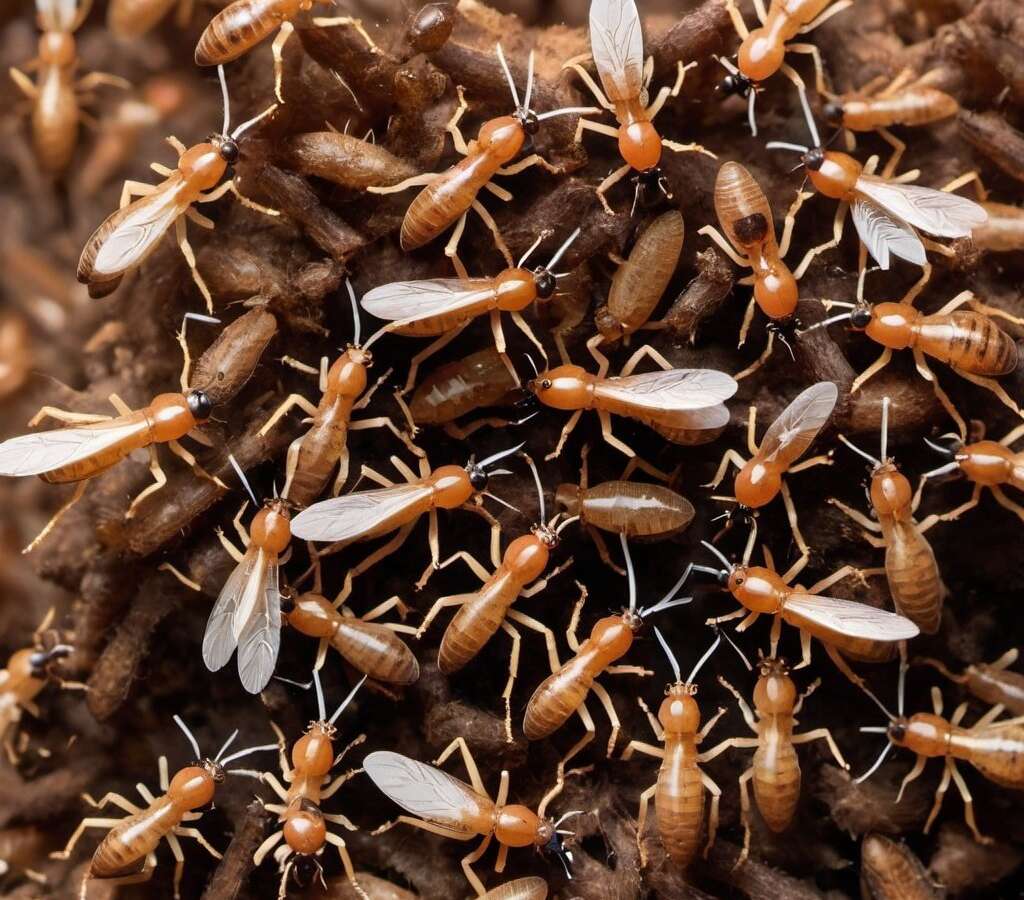
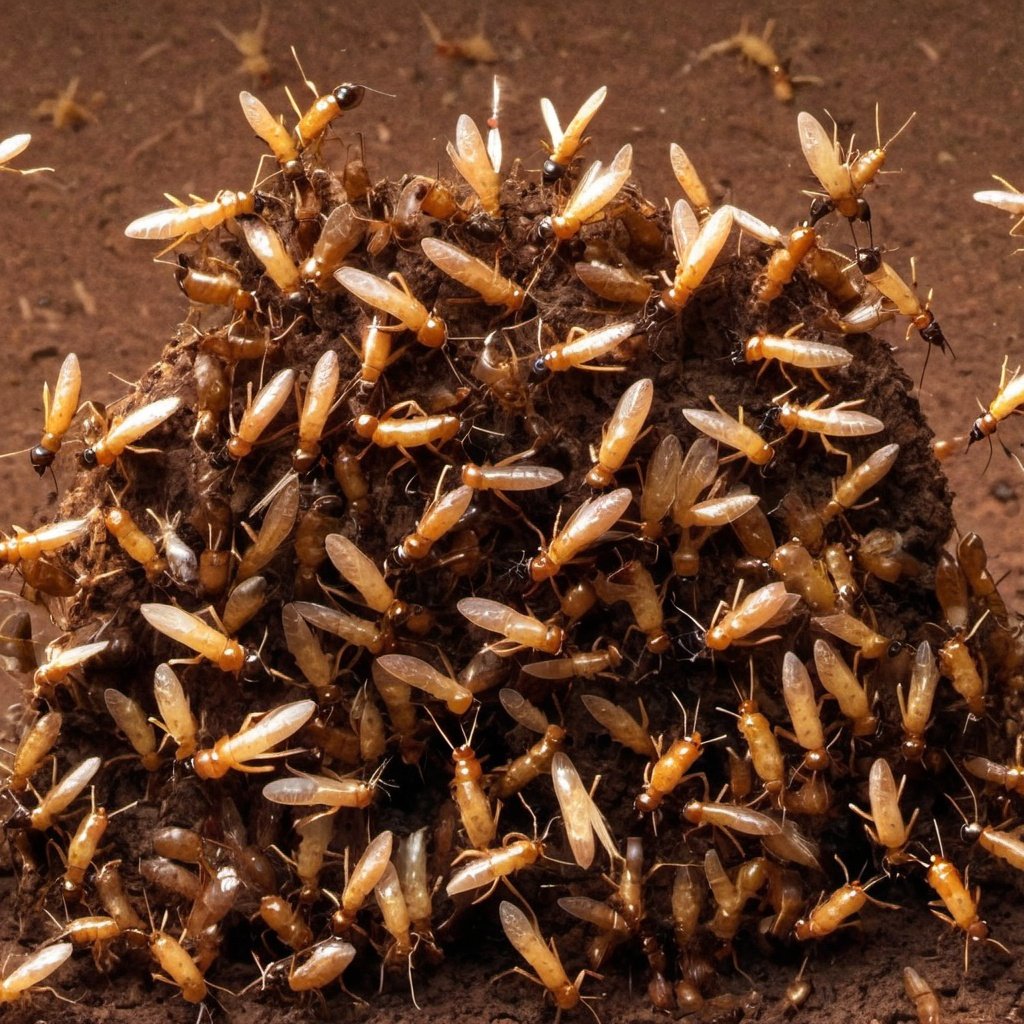
Termite mud is a mixture primarily composed of soil, termite saliva, and fecal matter. Termites produce this mud to construct tunnels, galleries, and shelter tubes that protect them from predators, extreme weather, and even the threat of dry conditions. These mud structures are remarkably durable, often lasting for years and forming the backbone of subterranean and arboreal termite colonies.
The Purpose Behind Termite Mud
The primary function of termite mud is to facilitate safe movement. Because termites live underground or inside wood, they need a way to traverse their environment without exposing themselves to danger. The mud tunnels act as protective corridors, maintaining humidity and temperature levels optimal for their survival. Moreover, these structures help regulate moisture, essential for termite health, especially in arid environments.
Another fascinating aspect of termite mud is its role in colony expansion. As colonies grow, termites build new mud tubes to reach food sources such as wood or cellulose-rich plant material. This ability to engineer and adapt their environment has made termites some of the most successful social insects on Earth.
The Engineering Marvels of Termite Mud
Termite mud structures are not only functional but also exhibit intricate architectural features. Some species create elaborate mud mounds with complex ventilation systems, allowing air circulation throughout the colony. These mounds can be several feet tall, with internal chambers dedicated to nurseries, fungus farms, and queen chambers.
Scientists and engineers have long studied termite mud to inspire sustainable architecture and building materials. The natural insulation properties and self-ventilating designs of termite mounds have influenced innovative eco-friendly construction techniques.
Dealing with Termite Infestations
While termite mud is fascinating from a biological perspective, it also signifies the presence of a termite infestation that can jeopardize your property’s integrity. If you notice mud tubes on your foundation or walls, it’s crucial to act promptly.
This is where professional pest control services become invaluable. A trusted name in pest management, Broken Arrow Exterminator, offers expert termite inspection and treatment solutions. Their trained technicians can identify termite activity early, assess the extent of damage, and implement targeted treatments to eliminate the colony.
Prevention and Protection
Prevention is always better than cure. Regular inspections by professionals like Broken Arrow Exterminator can help detect termite activity before significant damage occurs. Additionally, reducing wood-to-ground contact, managing moisture levels around your property, and maintaining proper drainage can lower the risk of termite intrusion.
Learn More About Termites
For those interested in the scientific aspects of termites and their habitats, academic resources provide invaluable insights. You can explore detailed research on termite behavior and ecology at universities such as University of Florida or Texas A&M University, both of which have extensive entomology programs.
Conclusion
Termite mud, a seemingly simple mixture of soil and organic matter, embodies the remarkable engineering skills of termites. These structures serve vital functions for termite colonies, showcasing nature’s ability to create complex, sustainable habitats. However, their presence also signals potential danger for your home. If you suspect a termite infestation, don’t hesitate to contact professionals like Broken Arrow Exterminator for effective solutions. By understanding these tiny architects and acting promptly, you can protect your property while appreciating the fascinating natural world of termites.
If you’re seeking professional pest control services, visit Broken Arrow Exterminator to learn more about their termite treatment options. And for ongoing research and educational resources, check out university entomology departments at UF and TAMU.