

Understanding Termite Pellets: A Comprehensive Guide
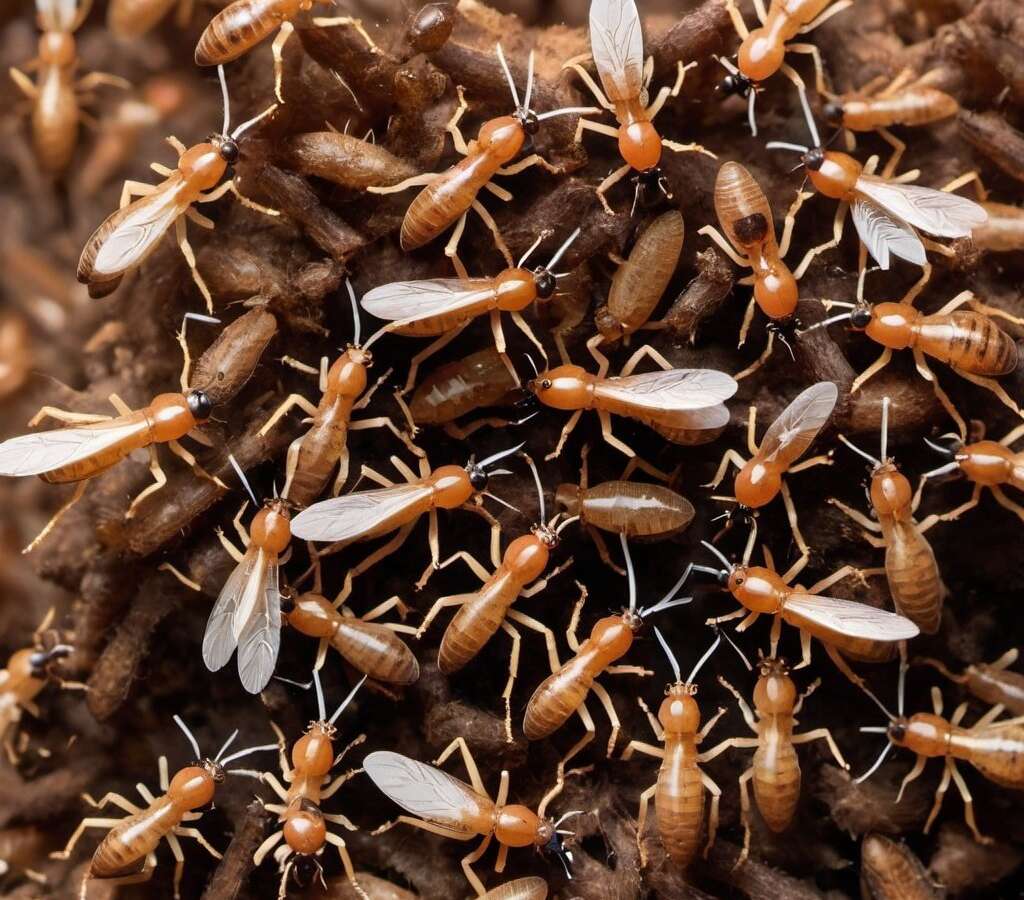
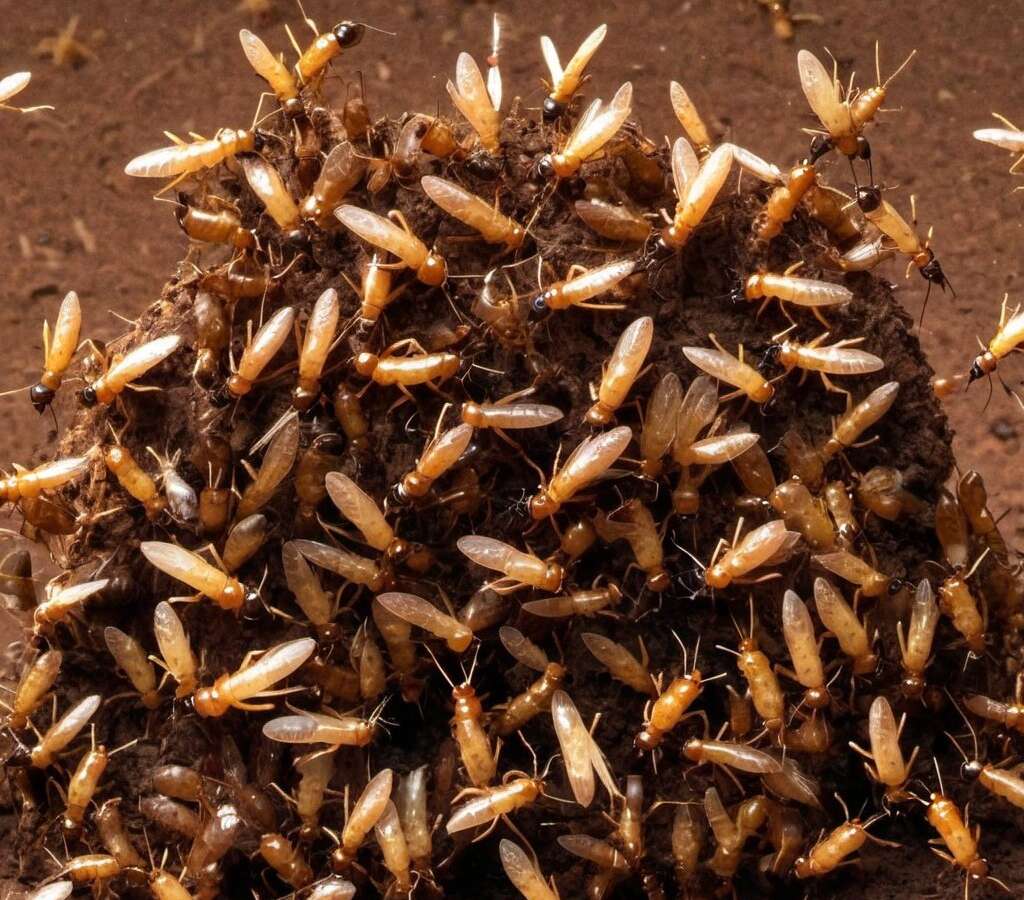
Termites are one of the most voracious pests that homeowners can encounter. While their capability to cause extensive damage is well-documented, many people are unfamiliar with one of the telltale signs of a termite infestation: termite pellets. Understanding what these pellets are and what they signify can empower homeowners to take timely action, often with the assistance of a professional, such as a Broken Arrow Exterminator.
What Are Termite Pellets?
Termite pellets are the droppings of termites, particularly from drywood termites. Unlike other pests that leave behind larger waste, termite droppings are small, cylindrical, and resemble tiny grains of sand or sawdust. The size and shape can vary depending on the species, but they typically range from 1 to 4 mm in length. The color can also vary; they often appear brown or black due to the digested wood fibers they consume.
Why Are Termite Pellets Important?
The presence of termite pellets is a strong indicator of an active termite infestation. If you come across these pellets in your home—especially if they appear in small piles—it may suggest that termites are nearby. This signals potential damage and can lead to the need for urgent intervention by a professional pest control service, like a Broken Arrow Exterminator.
Ignoring the signs of termites can be detrimental. Termites can cause significant structural damage to homes, eating away at beams, floors, and foundations. This damage can often go unnoticed until it becomes severe. Therefore, recognizing the early signs, such as termite pellets, can be crucial in protecting your home and finances.
Where to Look for Termite Pellets
Termite pellets are often found near wooden structures or in areas where termites are active, such as:
- Wood Furniture: Inspect wooden furniture for signs of droppings, especially if you notice an unusual amount of dust.
- Window Sills and Baseboards: Check for pellets in these areas, as they might fall from wood that is being consumed.
- Attics and Crawl Spaces: These areas are common for drywood termites to infest and leave behind droppings.
- Near Wood Structures: Look near the base of wooden deck posts, fences, or any wooden part of your home.
- Subflooring: In some cases, pellets can be found trapped in corners or crevices beneath floors.
How to Address a Termite Infestation
If you find termite pellets, it is essential to take immediate action. While some homeowners might consider attempting DIY pest control, it is often more effective and safer to hire a professional exterminator. A Broken Arrow Exterminator can assess the situation, determine the extent of the infestation, and provide effective treatment options.
Professional Treatment Options
- Bait Systems: Exterminators may place bait stations around your home that attract and kill termites.
- Liquid Treatments: This can involve applying a liquid pesticide in the soil around your home to create a barrier against termites.
- Fumigation: In severe cases, fumigation may be necessary, particularly for drywood termites, and involves sealing the home and filling it with gas to eliminate pests.
- Preventive Measures: After addressing the current issue, a Broken Arrow Exterminator can suggest preventative measures, such as reducing moisture in your home, sealing cracks, and regularly inspecting wooden structures.
Conclusion
Recognizing and understanding termite pellets is a crucial step in protecting your home from damage. They serve as a warning sign that you may have a termite problem that demands attention. By partnering with a specialist like a Broken Arrow Exterminator, you can address infestations promptly and reduce the risk of extensive damage in the future.
Keep an eye out for those telltale signs, and remember: when it comes to termites, an ounce of prevention is worth a pound of cure.