


The Essential Guide to Termite Prevention
Termites can be a homeowner’s worst nightmare. By the time you notice their presence, extensive damage can already be done, costing you thousands of dollars in repairs. Therefore, understanding termite prevention is crucial for homeowners, particularly in regions like Tulsa, where the warm climate often encourages termite activity. In this article, we will explore effective strategies for termite prevention and highlight the significance of Tulsa Pest Control.
Understanding Termites
Termites are small but mighty pests that feed on cellulose, which is primarily found in wood and plant materials. They can silently invade homes, causing structural damage that could compromise the integrity of your property. The most common species in the United States are drywood, dampwood, and subterranean termites. Every homeowner should familiarize themselves with these pests, as prevention is often the best defense.
Signs of Termite Infestation
Before delving into prevention methods, it’s essential to recognize the signs of termite infestations:
- Mud Tubes: Subterranean termites create mud tubes for shelter as they travel between their colony and food sources.
- Wood Damage: Hollow-sounding wood or wood that appears to be damaged or easily collapses is a strong indicator of the presence of termites.
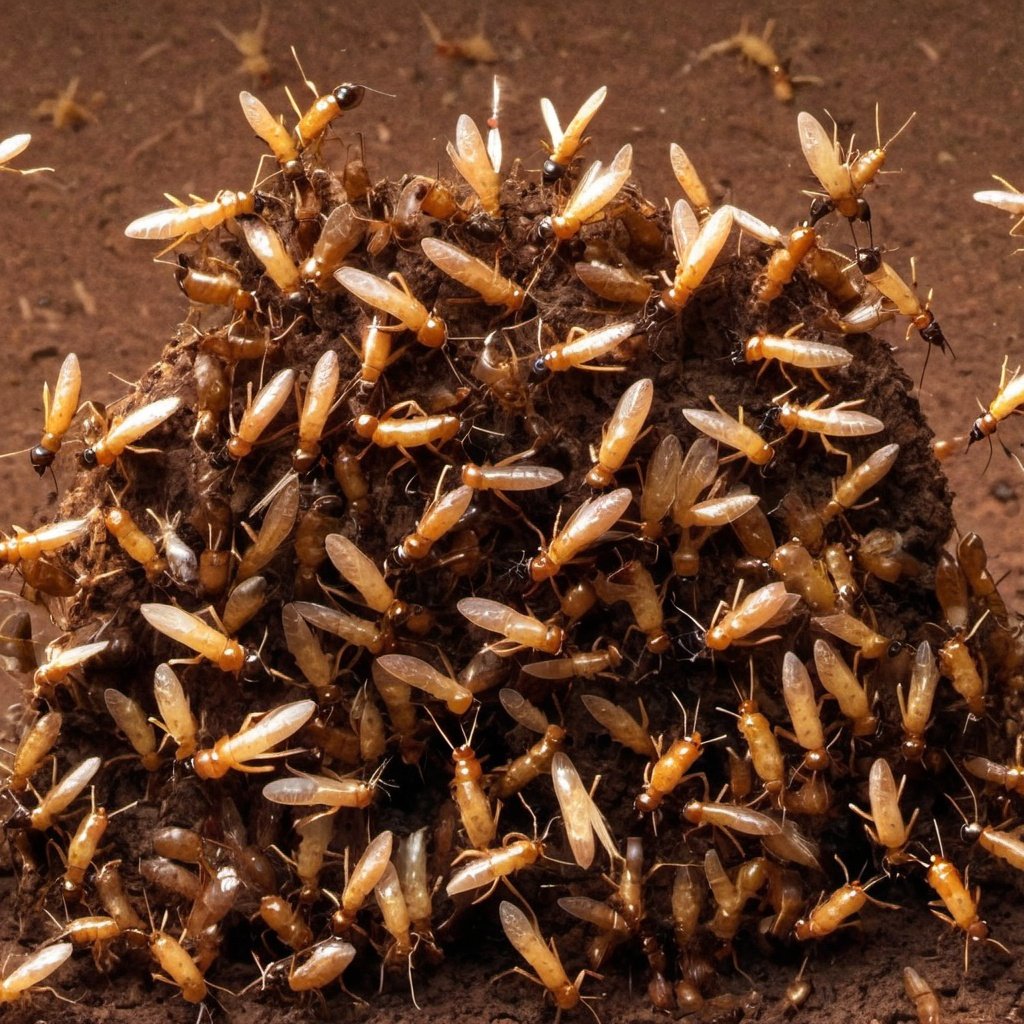
- Termite Swarmers: Winged termites (swarmers) may leave their nests in search of new colonies and can be a clear sign of infestation.
For more in-depth information on identifying termites, check out this resource.
Preventative Measures
Prevention is the best strategy when it comes to dealing with termites. Here are several effective methods to keep them at bay:
1. Moisture Control
Termites thrive in moist environments. Reducing moisture around your home is critical. Ensure gutters and downspouts are functioning correctly and diverting water away from the home’s foundation. Use a dehumidifier in damp basements and crawl spaces to regulate humidity levels.
2. Remove Wood-to-Soil Contact
Termites often gain access to wood by directly connecting it to the ground. This is particularly prevalent in structures with wooden decks, fences, or staircases that are in contact with the soil. To prevent this, ensure that wood structures are at least six inches above the ground and install concrete or stone barriers where possible.
3. Seal Cracks and Entrances
Inspect your home for any cracks or holes in walls and foundations, as these can serve as entry points for termites. Use caulk to fill in any gaps larger than one-eighth of an inch. Doors and windows should fit snugly without gaps, further reducing access points.
4. Proper Landscaping
When landscaping your yard, be mindful of how you place mulch and plants. Keep garden beds at least 12 inches away from your home’s foundation and use gravel or rocks as a barrier instead of mulch. Additionally, avoid overwatering flower beds and ensure the soil has proper drainage.
5. Regular Inspections
Routine inspections are an important part of any comprehensive termite prevention plan. Consider hiring professionals, such as Tulsa Pest Control, to conduct regular check-ups. They can identify early signs of infestation and recommend tailored solutions based on the specific vulnerabilities of your home.
For further reading on the importance of pest inspections, you can refer to this education article.
Conclusion
Termite prevention is not just about eliminating existing infestations but also about being proactive. By incorporating these strategies and working closely with Tulsa Pest Control, homeowners can significantly reduce their risk of termite damage. Remember, early identification and prevention efforts can save you from the extensive costs and stress of dealing with a termite problem. Protect your home and investments—taking these steps could make all the difference.