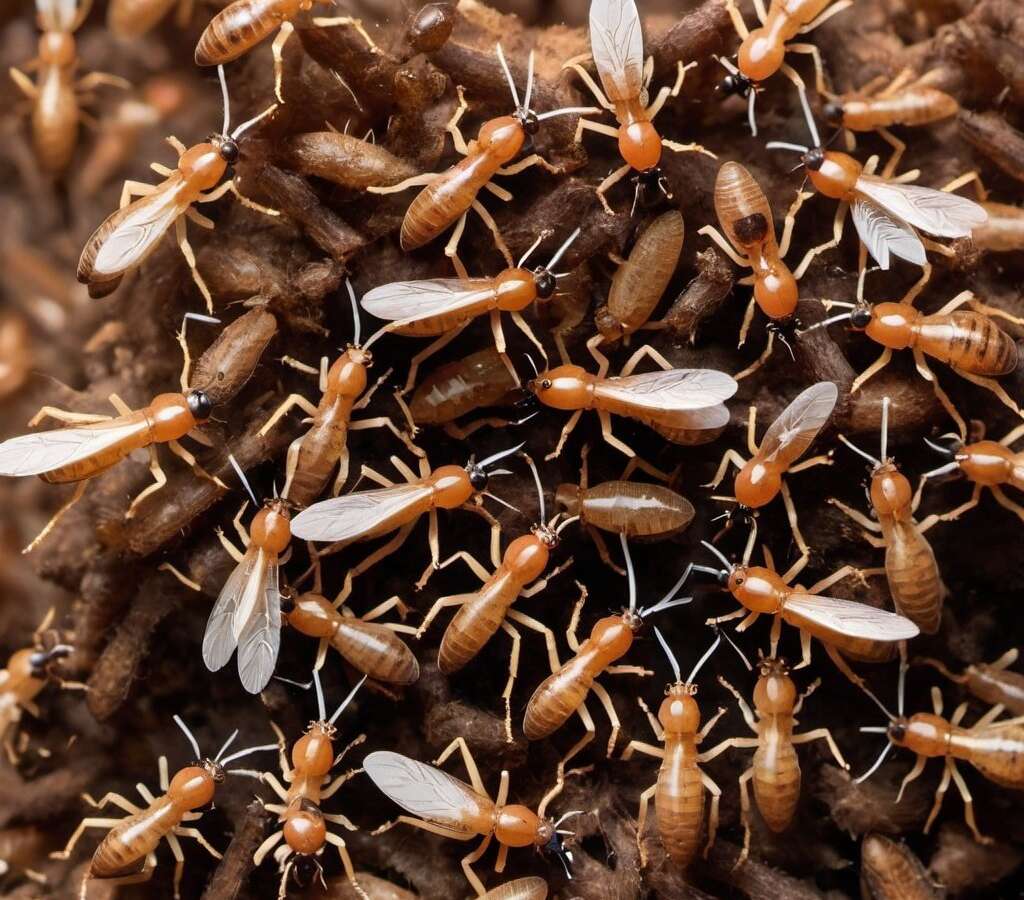

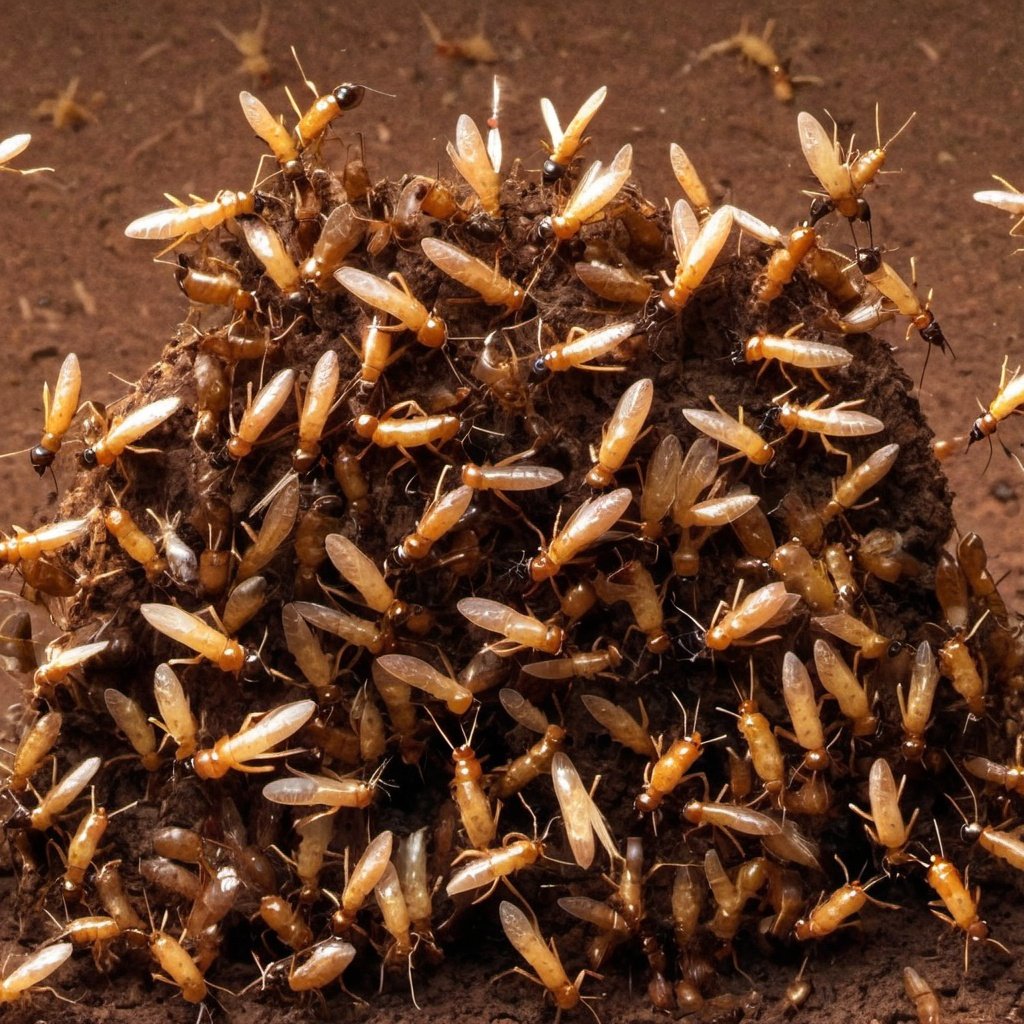

Termites are one of the most destructive pests homeowners face in Oklahoma, which is why many people look into termite proofing and professional help from a Broken Arrow Exterminator before damage occurs. Termites feed on cellulose found in wood and other building materials, and they often work quietly behind walls or beneath floors for long periods of time before homeowners notice the problem. In areas like Broken Arrow and the Tulsa region, subterranean termites are especially common because the warm climate and soil conditions allow colonies to thrive.
Termite proofing focuses on reducing the chances that termites will enter and damage a home. By combining prevention, maintenance, and professional inspection, homeowners can significantly lower the risk of infestation.
Understanding Termite Behavior – Broken Arrow Exterminator Insight
Effective termite proofing begins with understanding how termites operate. A Broken Arrow Exterminator will often explain that subterranean termites live in colonies underground and travel through soil in search of food. Because termites need moisture to survive, they build protective mud tubes that allow them to move between the ground and wooden structures while avoiding dry air and sunlight.
Once termites find a suitable food source, they begin tunneling through wood and other cellulose materials. This feeding activity can slowly weaken structural components such as floor joists, wall studs, and support beams. Since much of this damage occurs out of sight, infestations may continue for months before visible signs appear.
Preventing termites from gaining access to the structure is one of the most important parts of termite proofing.
Homeowners can learn more about termite behavior and prevention through the Environmental Protection Agency at
https://www.epa.gov/safepestcontrol/termites
Eliminating Conditions That Attract Termites
One of the first recommendations a Broken Arrow Exterminator may provide is reducing the environmental conditions that attract termites. Moisture is one of the most significant factors that encourage termite activity.
Leaking pipes, clogged gutters, and poor drainage around the foundation can create damp areas where termites thrive. Fixing plumbing leaks, directing water away from the foundation, and maintaining proper ventilation in crawl spaces can help make a home less appealing to termite colonies.
Wood-to-soil contact is another common risk factor. When wooden siding, deck posts, or structural components touch the soil, termites can easily travel directly from the ground into the structure. Raising wooden materials above ground level and installing barriers can help prevent termites from accessing these areas.
Home Maintenance and Structural Protection
Routine home maintenance is another important part of termite proofing. A Broken Arrow Exterminator will often recommend that homeowners inspect their property for cracks, gaps, or damaged areas that could allow termites to enter.
Sealing small openings in foundations, repairing damaged siding, and maintaining proper ventilation in crawl spaces can help reduce hidden entry points. Keeping landscaping trimmed away from the home also improves airflow and reduces moisture buildup around exterior walls.
Storing firewood away from the home is another simple but effective step. Wood piles placed next to exterior walls can attract termites and create an easy bridge into the structure. Keeping firewood several feet away from the home helps reduce this risk.
The U.S. Department of Housing and Urban Development provides additional information about protecting homes from termite damage at
https://www.hud.gov
Professional Termite Treatments and Inspections
Even with strong preventative measures, termite colonies may still attempt to invade a structure. This is why regular inspections by a Broken Arrow Exterminator are an important part of termite proofing.
Professional inspections allow trained technicians to identify early warning signs such as mud tubes, damaged wood, moisture problems, or termite swarms. Detecting these issues early can prevent the infestation from spreading and causing major structural damage.
In addition to inspections, exterminators may recommend preventive treatments. Soil treatments create a protective barrier around the foundation that stops termites before they reach the home. Baiting systems are another option that can eliminate entire termite colonies by targeting their feeding behavior.
Homeowners who want to learn more about termite protection and pest prevention can visit
https://termmax.net
When to Contact a Broken Arrow Exterminator for Termite Protection
Termite proofing is most effective when it is done before termites become established inside the structure. However, even homes that have never experienced termite problems can benefit from routine inspections and preventative treatments from a Broken Arrow Exterminator.
Early warning signs of termite activity may include mud tubes along foundations, discarded wings near windows or doors, hollow-sounding wood, or bubbling paint on walls. If any of these signs appear, scheduling a professional inspection as soon as possible is recommended.
Because termite colonies often remain hidden underground or inside walls, professional expertise plays an important role in protecting homes from long-term damage. With proper termite proofing strategies, homeowners can reduce the risk of infestation and protect the value of their property.
If you want to safeguard your home against termite damage, a Broken Arrow Exterminator can help evaluate your property and provide effective prevention solutions. Homeowners in Broken Arrow and the surrounding Tulsa area can schedule a termite inspection or learn more about pest protection services by visiting
https://termmax.net/contact.