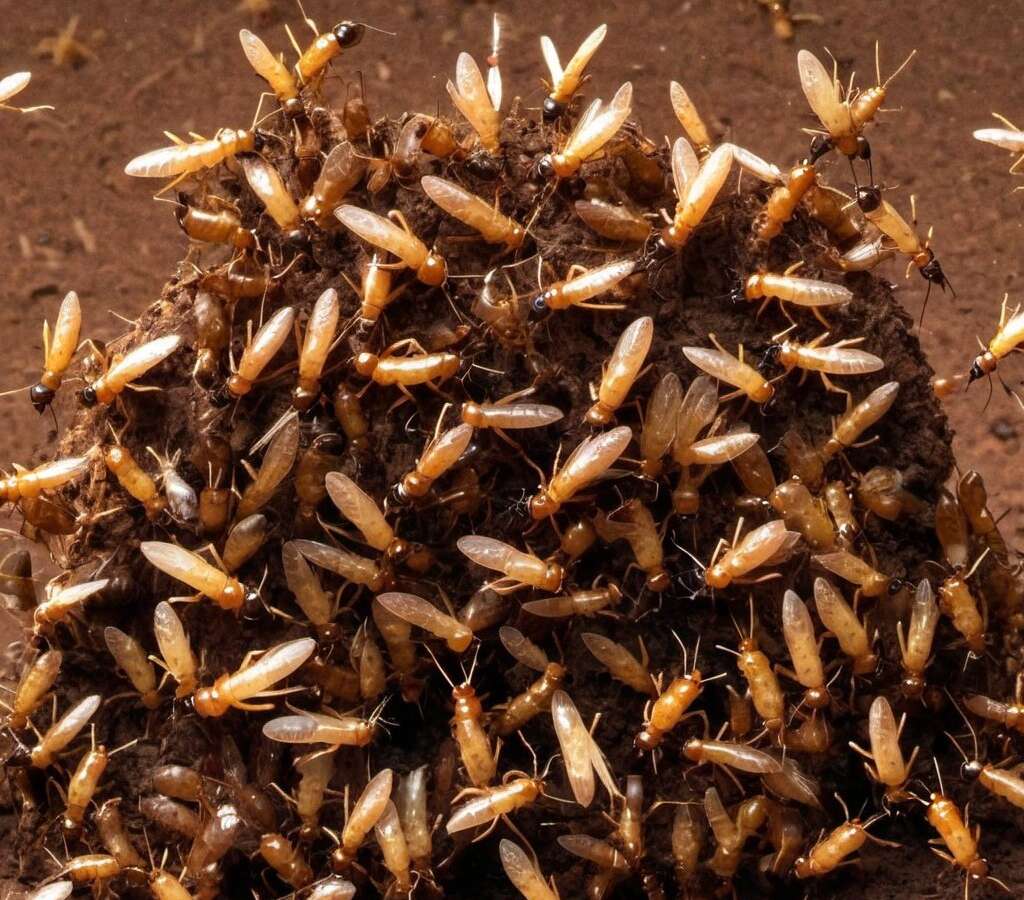

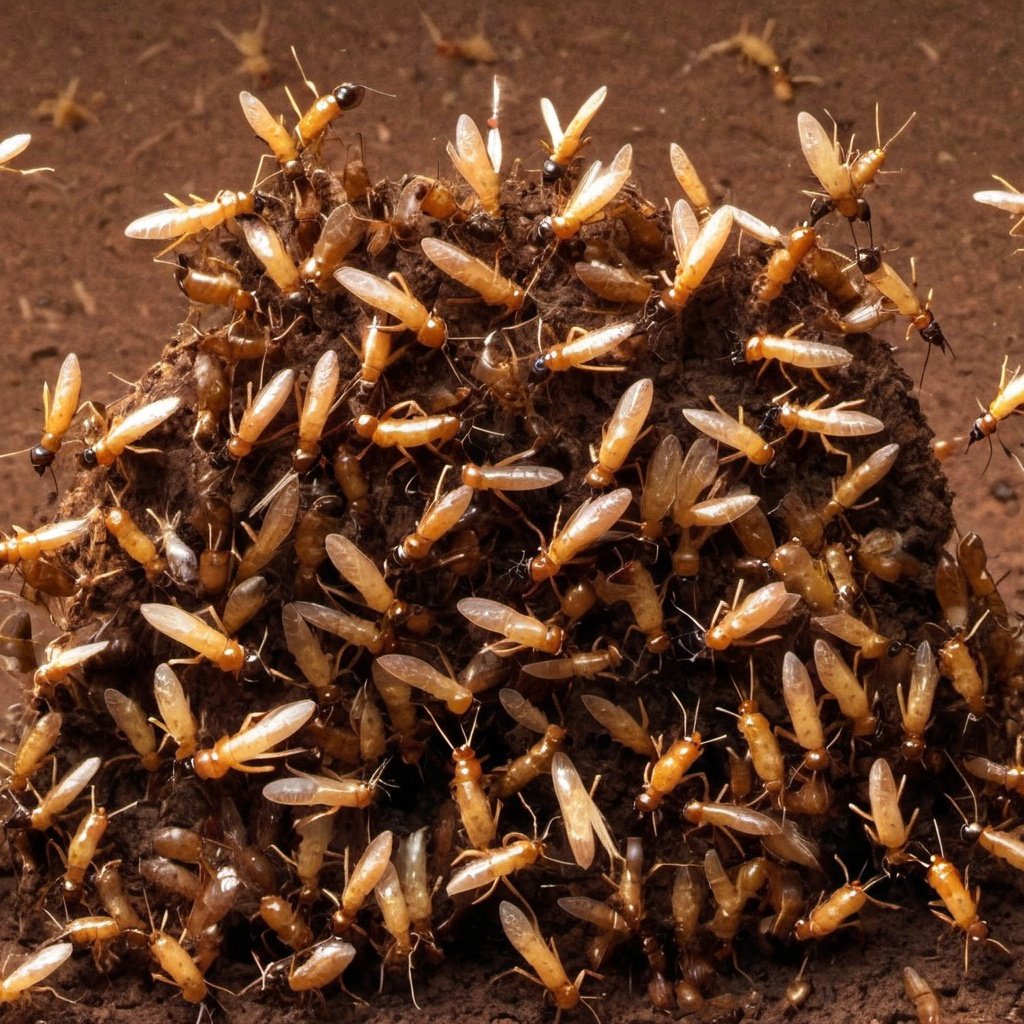

Termites are wood-consuming insects that can damage a home by feeding on cellulose-containing structural materials. They are an important part of natural ecosystems because they help break down dead wood, but we want to keep them away from the wood and other materials that make up our homes. Contacting a good Tulsa Pest Control company to protect your house is important.
Let’s take a look at termites and how they operate. In Oklahoma, subterranean termites are an important structural pest. These termites normally live in the soil and require moisture to survive. When they travel between the soil and a structure, they may build shelter tubes, commonly called mud tubes, that help protect them from drying conditions and predators. It is more accurate to say these tubes maintain a protected, humid environment than that they literally carry underground air above ground.
Mud tubes on a foundation or other structural surface are an important sign that should be investigated. Termites can also be found feeding on dead portions of trees, buried wood, landscape timbers, fences, and other cellulose sources around a property, but termites somewhere in the yard do not by themselves prove that the house is infested. Oklahoma State University Extension provides information about termites, warning signs, and termite management in Oklahoma.
Subterranean termites can enter structures through very small gaps and cracks and may remain hidden inside walls or other building components. Termites primarily consume the paper facing and other cellulose-containing materials associated with drywall rather than the gypsum core itself. Damaged or blistered surfaces, mud or soil-like material, hollow or damaged wood, and shelter tubes can be warning signs, but an inspection is needed to determine whether termites are actually responsible.
Another important sign is the appearance of winged reproductive termites, often called swarmers or alates. Subterranean termite colonies commonly produce swarmers during favorable seasonal conditions. After a swarming flight, males and females shed their wings, pair up, and search for a suitable place to establish a new colony. They do not normally mate in midair.
The founding male and female become the king and queen of the new colony. The queen begins producing eggs, and the pair initially care for the first young. The king does not simply turn into a worker and die after the first workers develop; termite kings can remain with the queen and continue reproducing for years. As the colony grows, workers take over much of the foraging, feeding, nest maintenance, and care of other colony members.
Because termite activity can remain hidden, visible signs should be evaluated rather than relying on one symptom alone. The U.S. Environmental Protection Agency provides information about termite control methods and selecting a pest-management professional.
If you think you’re having a problem with termites or another pest, it’s time to give a good Tulsa Pest Control company a call. TermMax Pest Control can inspect the property, identify signs of termite activity, and recommend appropriate treatment or preventive options. Contact us today if you think you’re having a problem.