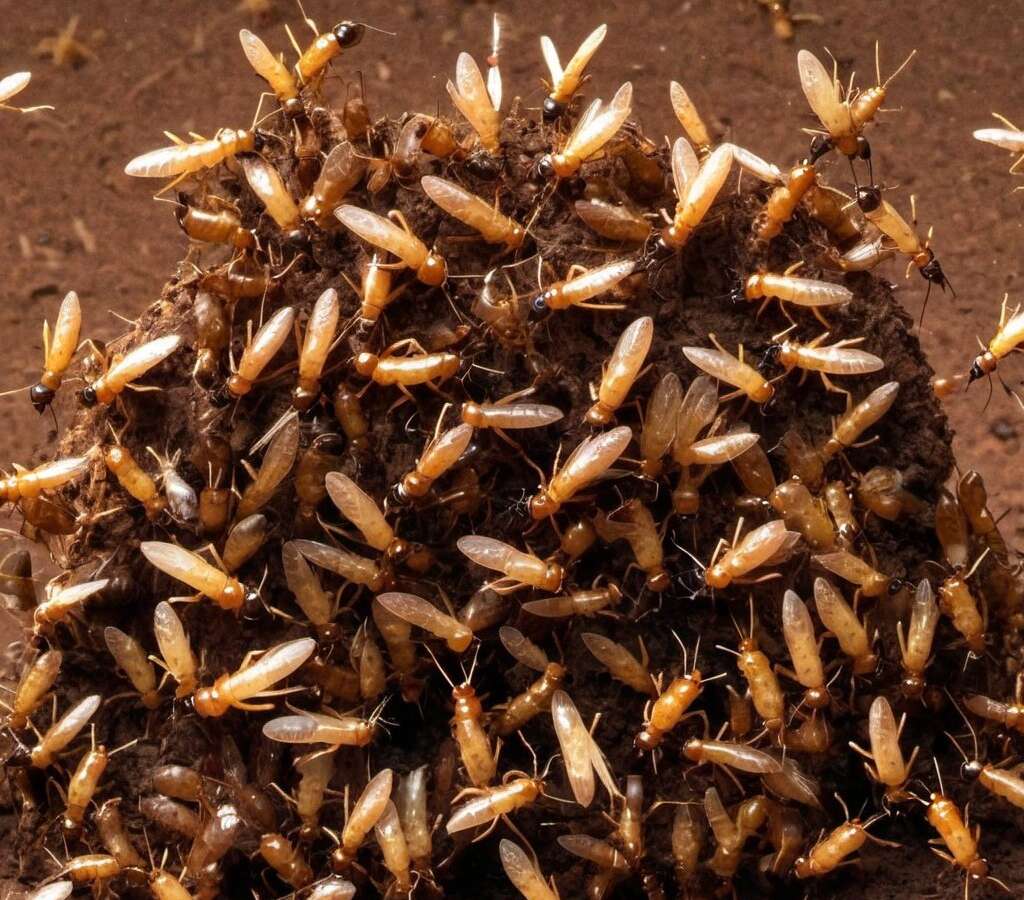

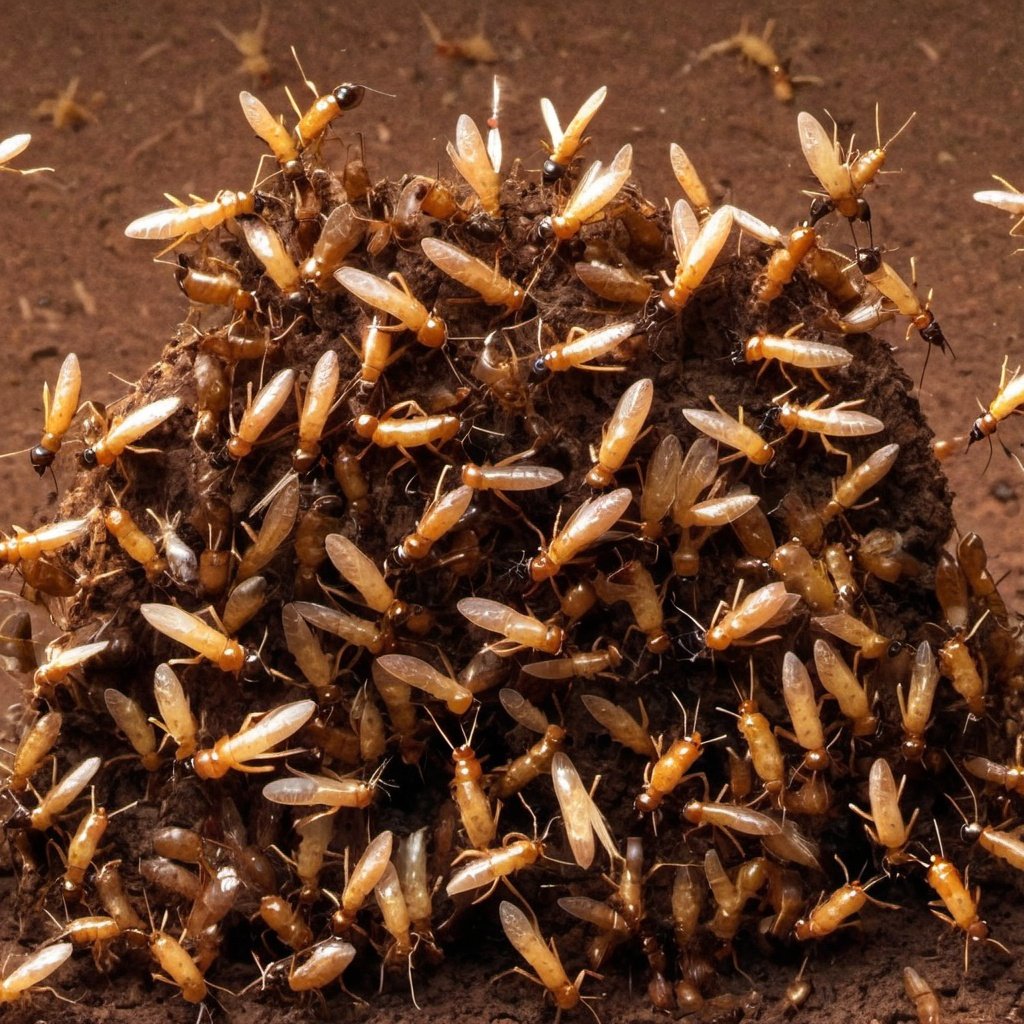

Architects of the Underground: Unraveling the Mystery of the Termite Tower (and Why Broken Arrow Pest Control Matters)
Imagine a structure, towering over its surroundings, meticulously engineered for optimal temperature control, ventilation, and defense. Now, picture this architectural marvel built by creatures no bigger than your fingernail. Welcome to the incredible world of the termite tower, a testament to the complex social organization and remarkable engineering skills of these often-misunderstood insects. While we in Broken Arrow might primarily associate termites with the destructive munching of our homes, exploring the wonders of their natural habitats, like the termite tower, offers a fascinating glimpse into their intricate lives and underscores why effective Broken Arrow Pest Control is so crucial.
Termite towers, or mounds, are far more than just piles of dirt. These intricate structures, often found in tropical and subtropical regions, are the heart of a termite colony. They can vary in size and shape depending on the species, from low-lying mounds to towering spires reaching several meters high. Think of them as miniature cities, meticulously designed to house a bustling population of termites, each with a specific role to play.
The construction of a termite tower is a marvel of collective effort. Worker termites, using a mixture of soil, saliva, and fecal matter, meticulously build and maintain the structure. This material hardens into a remarkably durable and weather-resistant substance. The shape of the tower is not arbitrary; it’s a functional masterpiece. Many mounds feature a network of tunnels and chambers that extend both above and below ground. These underground passages are often where the colony’s queen resides, along with the eggs and young.
The most astonishing aspect of the termite tower is its sophisticated climate control system. The shape and orientation of the mound, along with internal air currents generated by the termites themselves, help regulate the temperature and humidity within the structure. This is particularly important in environments with extreme temperature fluctuations. Some towers even incorporate elaborate ventilation shafts that allow for a constant flow of fresh air, removing excess carbon dioxide and bringing in oxygen. Research from institutions like the University of Florida’s Entomology and Nematology Department (https://entnemdept.ufl.edu/) highlights the remarkable complexity of these natural ventilation systems.
Beyond climate control, the termite tower serves as a formidable defense mechanism against predators. The hardened walls make it difficult for ants, birds, and other animals to penetrate the colony. The intricate network of tunnels also allows termites to quickly retreat and defend different sections of the mound.
While we marvel at the architectural prowess of termites in their natural habitats, it’s crucial to remember that these same insects can pose a significant threat to our structures here in Broken Arrow. The very instincts that drive them to build and maintain their elaborate towers are the same instincts that can lead them to infest and damage our homes. Subterranean termites, common in our region, build their colonies underground and can tunnel through the soil to access wooden structures, often undetected until significant damage has occurred.
Understanding the biology and behavior of termites, including their impressive construction skills, is essential for effective pest control. Knowing how they build, where they live, and what attracts them helps pest control professionals develop targeted and efficient strategies. Resources from universities like the University of California, Davis Urban Pest Management Center (https://ucanr.edu/sites/UCPMC/) provide valuable information on termite biology and control methods.
For residents in Broken Arrow, the presence of termites, while not leading to the construction of towering mounds in our living rooms, can still be a serious issue. Signs of infestation can include mud tubes on foundations, discarded wings, or hollow-sounding wood. Ignoring these signs can lead to extensive and costly damage.
This is where professional Broken Arrow Pest Control becomes indispensable. Experienced pest control technicians have the knowledge and tools to identify termite infestations, assess the extent of the damage, and implement effective treatment plans. They understand the specific termite species prevalent in our area and can recommend the most appropriate control methods, whether it’s liquid treatments, baiting systems, or a combination of approaches.
In conclusion, the termite tower is a truly remarkable feat of natural engineering, showcasing the incredible capabilities of these social insects. While we can appreciate their architectural genius in the wild, it’s equally important to be vigilant about their potential to infest our homes. Understanding their behavior, even their instinct to build, underscores the importance of proactive and professional Broken Arrow Pest Control to protect our properties from these persistent and potentially destructive creatures. Don’t wait until you see signs of damage; regular inspections and preventative measures are key to keeping your home safe from the architects of the underground.