

Understanding Termite Tunnels: What You Need to Know
When it comes to the world of pests, few can rival the destructive nature of termites. Among the fascinating aspects of their behavior is the construction of intricate tunnels. For homeowners, especially those in areas like Broken Arrow, Oklahoma, understanding termite tunnels is crucial to preventing significant property damage. In this article, we’ll take a closer look at termite tunnels and the role of a Broken Arrow exterminator in tackling these silent invaders.
What Are Termite Tunnels?
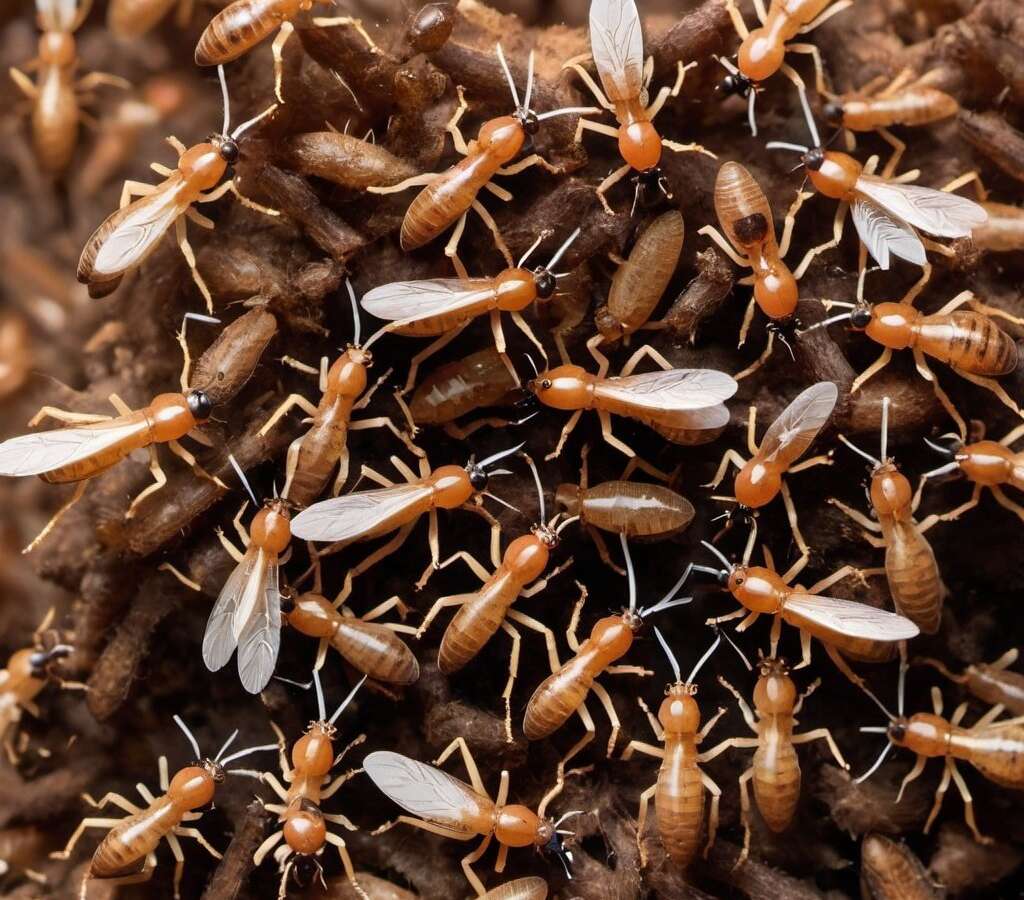
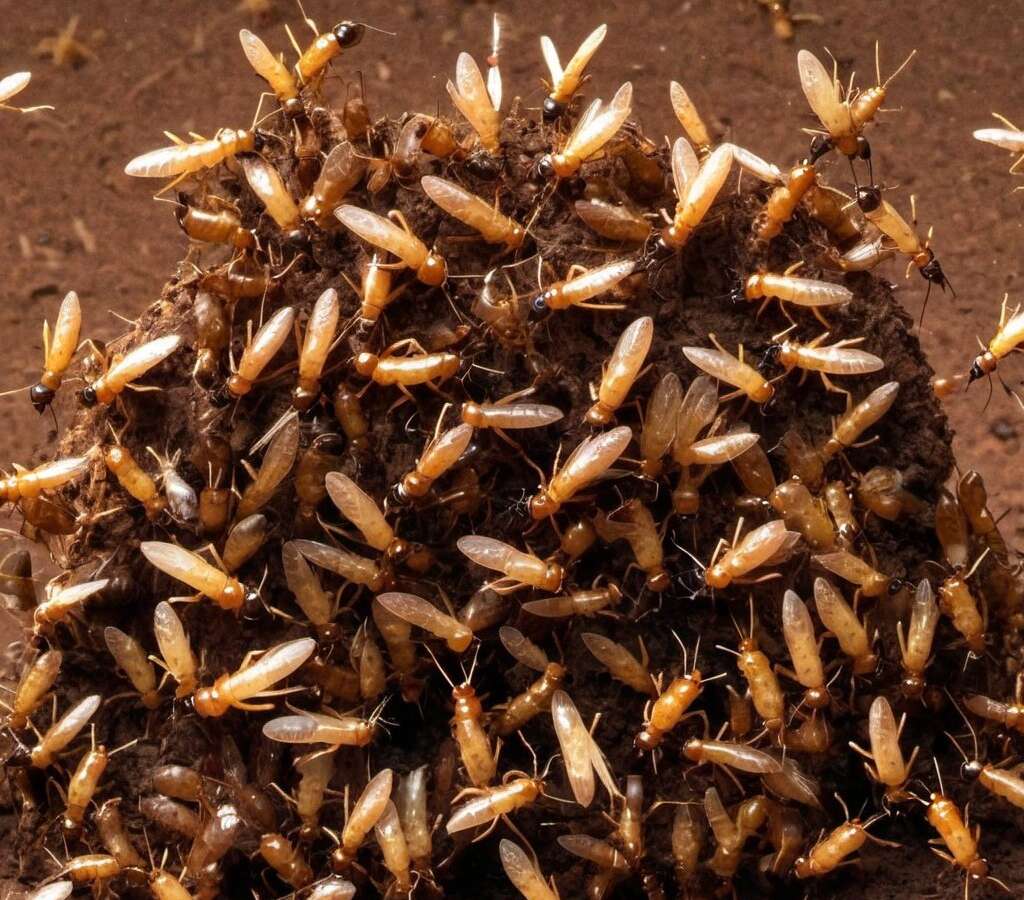
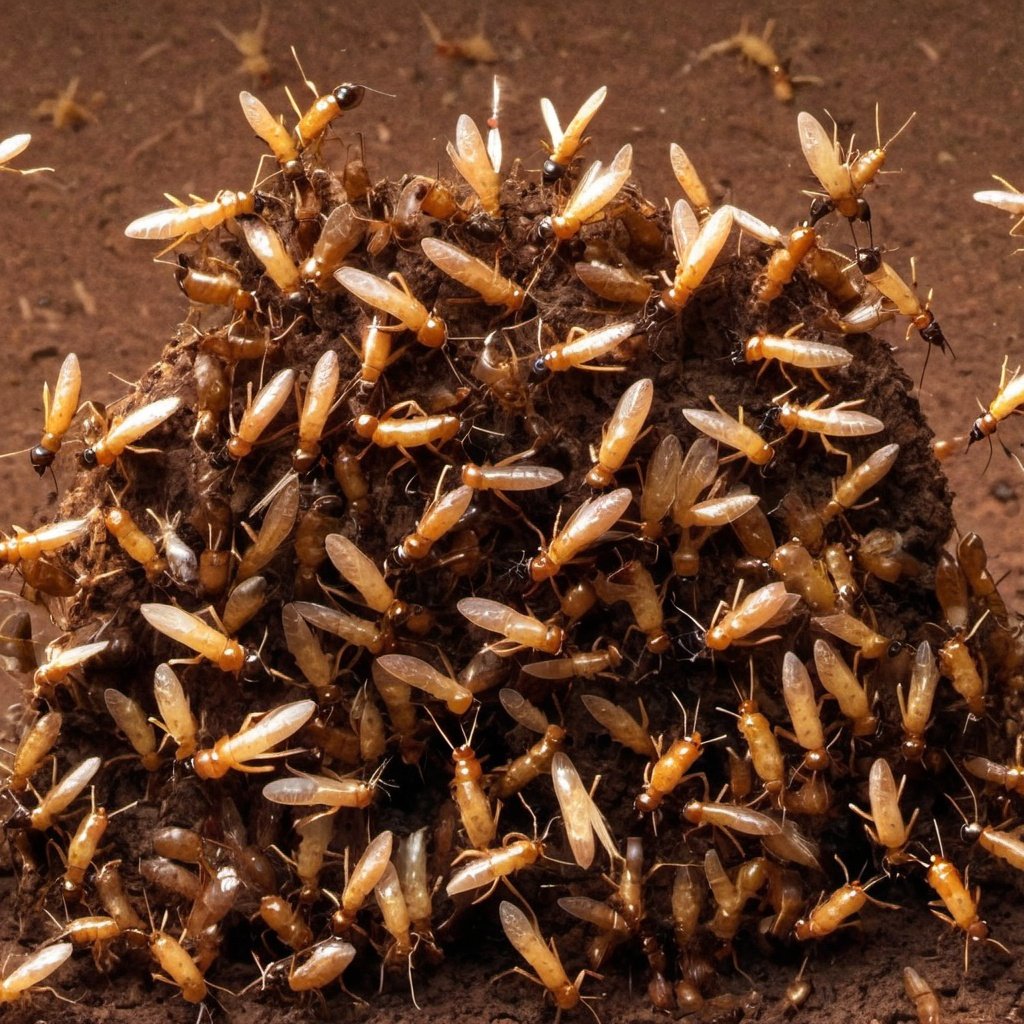
Termite tunnels, also known as mud tubes, serve as the passageways through which termites navigate from their nests to their food sources, typically wood or other cellulose-based materials like paper. The primary materials for constructing these tunnels include soil, wood particles, and termite saliva, which bond together to create a protective channel. The tunnels not only provide shelter from the open air and predators but also maintain the moisture essential for the survival of termites.
Why Are Termite Tunnels Important?
- Protection from Predators and Elements: Termites are social insects that thrive in humid environments. Their tunnels protect them from harsh weather conditions and predators. In dry climates, you are more likely to see these tunnels as they allow termites to access the moisture they need.
- Facilitating Feeding: These tunnels provide access to food sources without exposing termites to dangers. The connected network allows them to transport wood particles back to the colony safely.
- Signs of Infestation: For homeowners, the presence of termite tunnels is often the first visible sign of a termite infestation. Identifying these structures early can be crucial in preventing extensive damage to the home.
Signs of a Termite Infestation
Detecting termite tunnels is vital, but what else should homeowners look for? Some warning signs include:
- Mud Tunnels: Look for tube-like structures on exterior walls or foundations.
- Discarded Wings: After swarming, termites shed their wings. Finding these around windowsills or in other areas may indicate an infestation.
- Wood Damage: Hollow-sounding wood, sagging floors, or crumbling wood structures can signify that termites are at work.
- Frass: This is a fancy term for termite droppings. If you notice small pellets near wooden structures, termites could be nearby.
The Role of a Broken Arrow Exterminator
Once you suspect a termite infestation, it’s paramount to consult a professional, such as a Broken Arrow exterminator. Here’s how they can help:
- Inspection: A qualified exterminator will conduct a detailed inspection of your property to identify signs of termites, including their tunnels. They can assess the extent of the infestation and recommend the best course of action.
- Treatment Options: Exterminators commonly use various treatment methods tailored to the severity of the infestation. Options may include bait systems, liquid insecticides, or localized treatments that directly impact the tunnels and colonies.
- Preventive Measures: After eliminating the threat, a Broken Arrow exterminator will provide advice on how to prevent future infestations. This might include improving drainage, sealing cracks, and removing decaying wood that has accumulated around your home.
- Ongoing Monitoring: Professional extermination isn’t just a one-time fix. Many exterminators offer routine inspections and maintenance plans to ensure that your home remains termite-free.
Conclusion
Understanding termite tunnels and recognizing the signs of an infestation can save homeowners significant distress and financial burden. If you live in Broken Arrow, enlisting the services of a qualified exterminator is your best bet to protect your home from these destructive pests. With their expertise, you can rest assured that your property will be thoroughly inspected, treated, and monitored, giving you peace of mind against future infestations. Don’t wait until it’s too late—prioritize your home’s health by addressing potential termite issues head-on.