

Understanding Termite Tunnels: How to Identify and Protect Your Home with Broken Arrow Pest Control
Introduction
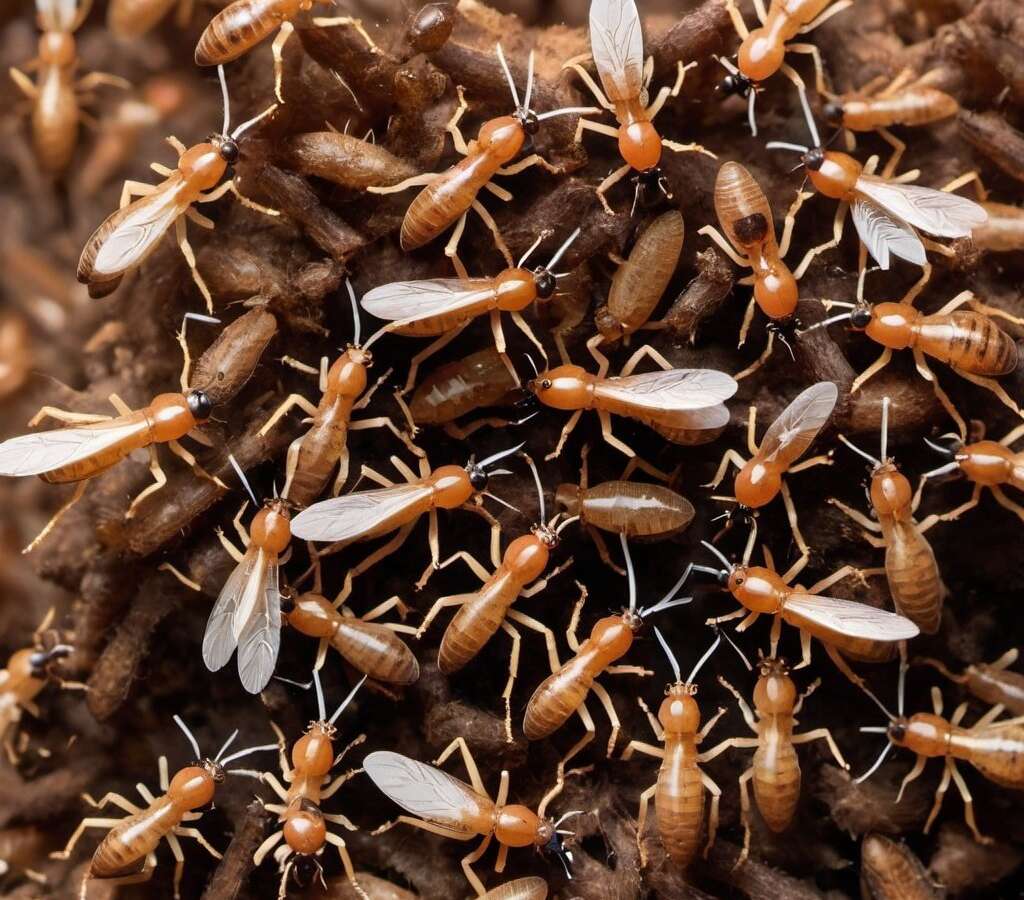
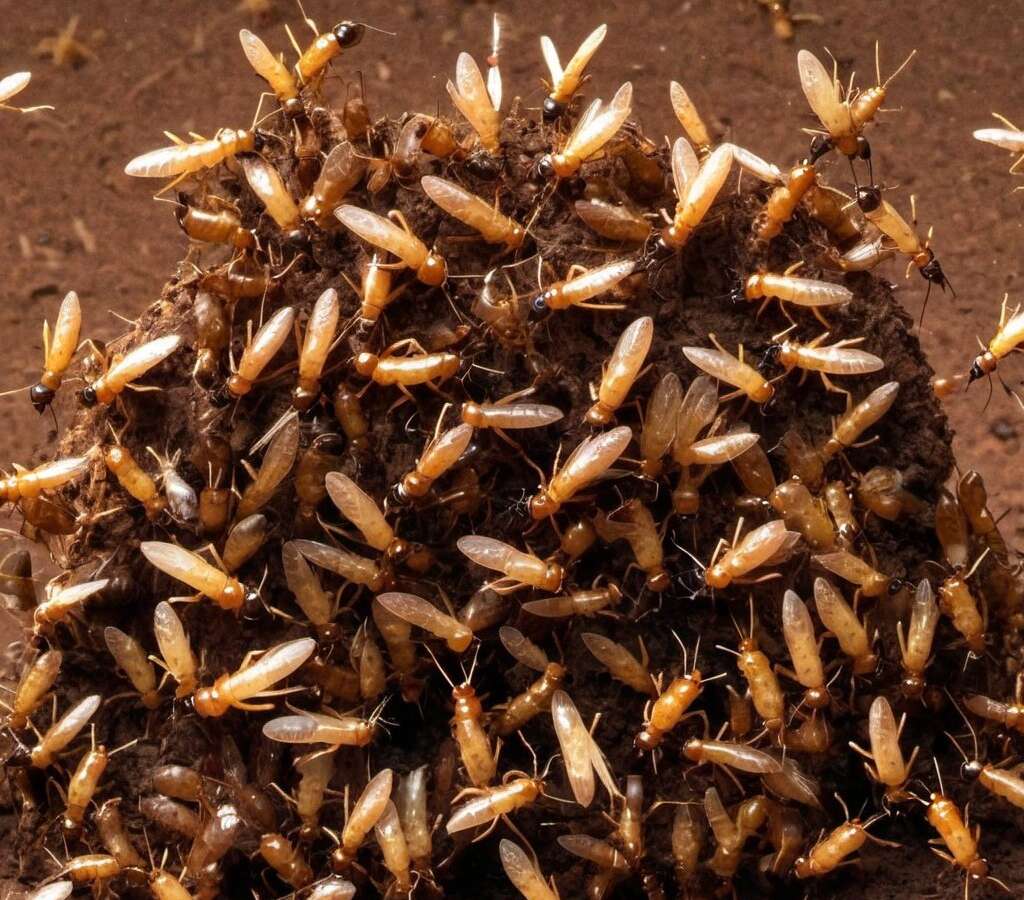
When it comes to pests and home damage, few creatures are as destructive as termites. These tiny insects can cause significant damage to a home’s structure, foundation, and overall value. One of the primary signs of termite infestation is the presence of termite tunnels, also known as mud tubes. In this article, we’ll delve into the world of termite tunnels, how to identify them, and why it’s essential to seek professional help from Broken Arrow Pest Control.
What are Termite Tunnels?
Termite tunnels, or mud tubes, are narrow passageways created by termites to connect their underground colonies to food sources, such as wooden structures or plants. These tunnels are made from a combination of saliva, feces, and soil, which provides a stable and protective environment for the termites to travel through. The mud tubes can be as thin as a hair or as wide as a pencil and can stretch several feet in length.
Why Do Termites Build Tunnels?
Termites build tunnels for several reasons:
- Food availability: Termites need access to wood or other cellulose-based materials to feed their colonies. They use tunnels to connect their underground colonies to these food sources.
- Moisture regulation: Termites prefer a humid environment to thrive. Tunnels allow them to regulate the moisture levels in their colonies by controlling the air circulation and humidity.
- Protection from predators: Tunnels provide a safe passage for termites to travel through, protecting them from predators and other insects that might harm them.
- Colonization: Termites use tunnels to expand their colonies, connecting new areas to their existing network.
How to Identify Termite Tunnels
Identifying termite tunnels can be challenging, as they can be difficult to spot, especially in hidden areas like walls or behind baseboards. Here are some signs to look out for:
- Mud tubes: Look for narrow, brown, or grayish-brown lines on walls, windowsills, or doorframes. These tubes can be as thin as a hair or as wide as a pencil.
- Discolored wood: Check for yellowish or brownish stains on wood surfaces, indicating termite activity.
- Sounds: Listen for a faint rustling or tapping sound coming from inside walls or wood surfaces.
- Swollen wood: Check for swollen or bubbled wood surfaces, which can indicate termite damage.
- Termite droppings: Look for small, round droppings (called frass) near areas where termites are active.
What to Do If You Find Termite Tunnels
If you suspect that you’ve found termite tunnels in your home, it’s essential to act quickly. Termites can cause significant damage in a short amount of time, so don’t wait until the problem is too late. Here are some steps to take:
- Contact Broken Arrow Pest Control: Reach out to a professional pest control service, like Broken Arrow Pest Control, for a thorough inspection and treatment.
- Document the damage: Take photos and notes of the termite tunnels and any damage they’ve caused.
- Remove sources of moisture: Reduce moisture levels in your home by fixing leaky faucets, ensuring good ventilation, and using a dehumidifier.
- Seal entry points: Caulk cracks and crevices around windows, doors, and pipes to prevent termites from entering your home.
Conclusion
Termite tunnels can be a sign of a more significant problem – a termite infestation. Early detection and treatment can prevent costly damage to your home. By knowing how to identify termite tunnels and what to do if you find them, you can protect your home and prevent termite damage. Don’t wait until it’s too late; contact Broken Arrow Pest Control today for a thorough inspection and treatment. With their expertise and guidance, you can safeguard your home and prevent termite-related problems for years to come.
Additional Tips:
- Regularly inspect your home for signs of termite activity, including termite tunnels, discolored wood, and termite droppings.
- Consider using termite-resistant materials for new construction or repairs.
- Avoid planting trees or shrubs with a high water requirement near your home, as these can attract termites.
Contact Broken Arrow Pest Control today and let them help you protect your home from termite damage. Their experienced technicians will identify and treat termite infestations promptly and efficiently, giving you peace of mind and a termite-free home.