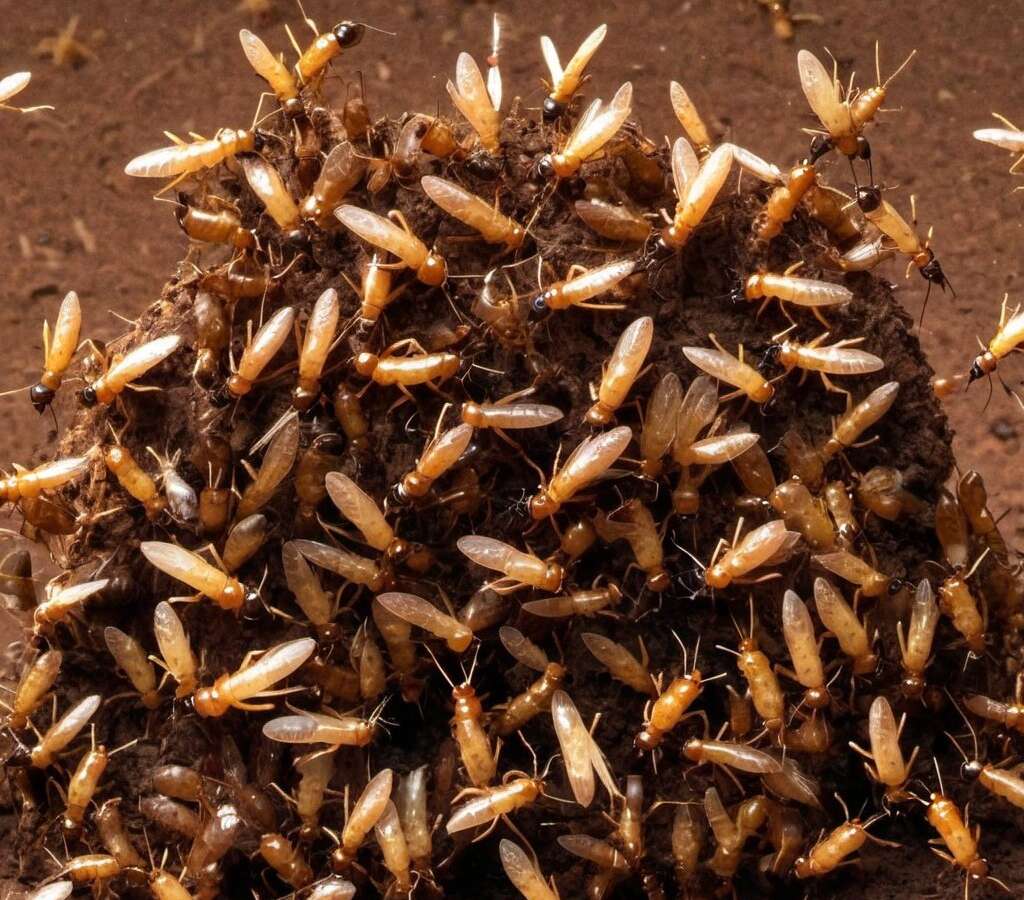

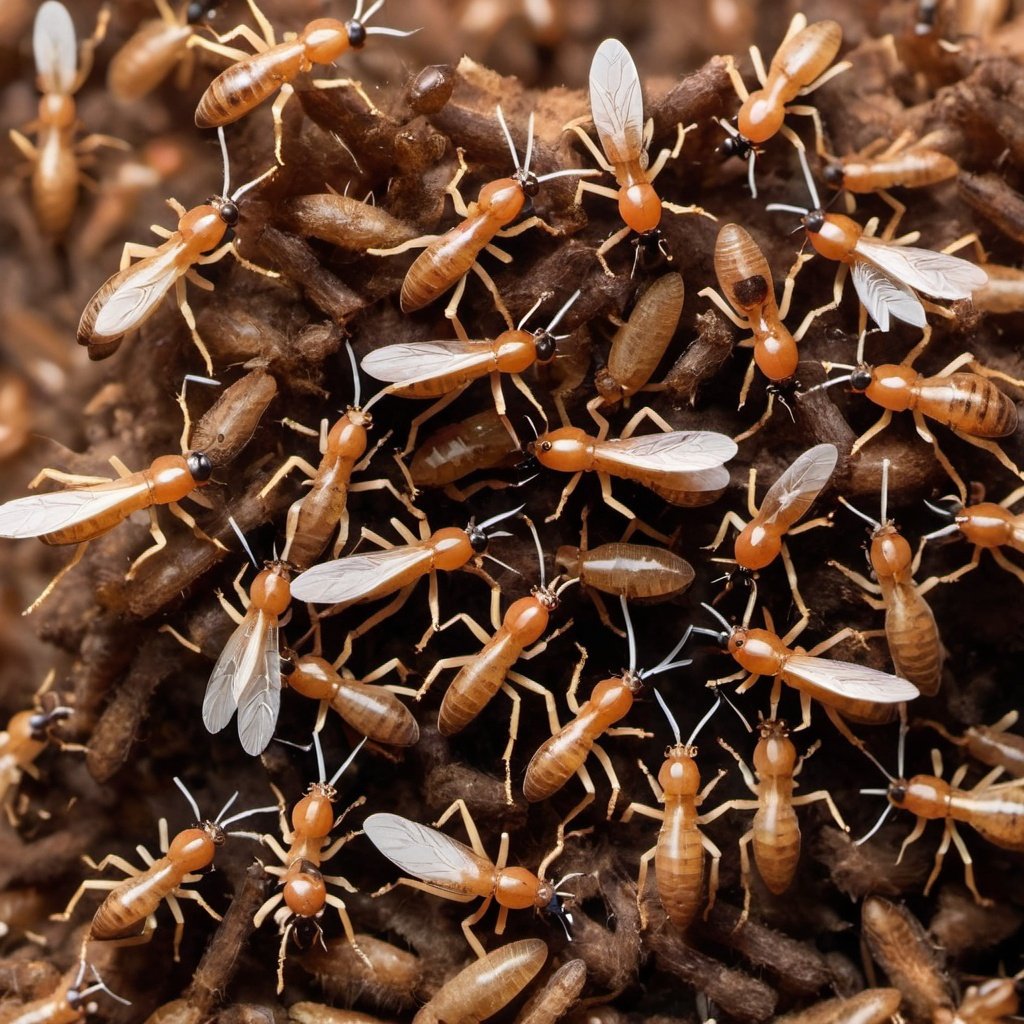

Termites are one of the most serious structural pests Oklahoma homeowners have to think about. They can feed on wood and other cellulose materials while staying almost completely hidden from view. By the time a homeowner notices obvious damage, a colony may have been active around the structure for quite some time. That is why recognizing the early warning signs and calling a Broken Arrow Exterminator for a professional inspection can make such a difference.
Oklahoma is termite country. Oklahoma State University Extension reports that termites are present throughout the state, and the eastern subterranean termite occurs throughout Oklahoma. Subterranean termites live primarily in the soil and travel through underground tunnels as they search for cellulose. A house can become a food source when termites find a path from the soil to structural wood, trim, framing, subflooring, or other cellulose-containing materials.
Why Termites Can Be Hard to Notice
Unlike many household pests, termites do not normally wander across a kitchen floor where you can easily see them. Worker termites prefer dark, protected environments and need moisture. They can remain inside soil, mud tubes, wall voids, and wood while feeding. This hidden behavior is one reason termite damage can develop before the homeowner realizes there is a problem.
Termites are social insects. A subterranean termite colony contains different castes that perform different jobs. Workers gather food and are responsible for most of the feeding damage. Soldiers help defend the colony. Reproductives produce new termites, and winged reproductives called swarmers eventually leave established colonies to attempt to start new ones. Seeing swarmers is often the event that finally alerts a homeowner.
Sign #1: Termite Swarmers
One of the most noticeable signs of termite activity is a swarm of winged termites. Oklahoma State University notes that subterranean termite swarmers are commonly seen in spring and can occasionally appear in fall. A swarm does not automatically tell you exactly where a colony is located, but swarmers emerging from inside a house or immediately around the structure deserve attention.
Homeowners sometimes mistake termite swarmers for flying ants. There are useful differences. Termite swarmers have relatively straight, bead-like antennae, a broad waist, and two pairs of wings that are approximately equal in size. Winged ants have elbowed antennae, a noticeably pinched waist, and front wings that are larger than the rear wings. If you are unsure what you found, save a few specimens or take clear photographs and have a Broken Arrow Exterminator identify them.
Sign #2: Discarded Wings
After a termite swarmer lands, it sheds its wings. Small piles of nearly identical wings near windows, doors, vents, light sources, or other areas of a home can therefore be an important clue. Oklahoma State University specifically lists discarded wings around structures as a possible indication of termite infestation.
The insects themselves may disappear quickly, so homeowners sometimes clean up the wings without realizing what they mean. If you find a collection of loose wings and cannot explain where they came from, do not simply vacuum them up and forget about them. Photograph the area and arrange an inspection.
Sign #3: Mud Tubes
Subterranean termites commonly build shelter tubes from soil and other materials. These narrow mud tubes allow termites to travel between the ground and a food source while maintaining the protected, humid conditions they need. Tubes may appear along foundation walls, piers, plumbing penetrations, crawl-space components, or other routes leading toward wood.
A mud tube does not always mean termites are actively feeding at that exact moment, but it is evidence that should be evaluated. Breaking a tube open may reveal workers, but an empty tube does not prove the termite problem is gone. Termites can have multiple travel routes and may rebuild damaged tubes.
Sign #4: Damaged or Hollow-Sounding Wood
Termites often consume wood from the inside, leaving the exterior surface relatively intact. Wood may sound hollow when tapped, feel unusually soft, or break open to reveal galleries. OSU Extension lists hollow sounds and extreme softness in infested wood among typical signs of subterranean termite activity.
Damage can occur in places that are difficult to inspect without experience. Baseboards, door frames, sill plates, crawl spaces, framing around plumbing, and areas where wood is close to soil deserve particular attention. A professional inspection is intended to look beyond the one visible symptom and evaluate the structure for additional evidence and conducive conditions.
Moisture and Wood-to-Soil Contact Matter
Subterranean termites need moisture, so conditions that keep soil and structural areas damp can make a property more favorable to them. Plumbing leaks, poor drainage, clogged gutters, excessive irrigation near the foundation, and persistently damp crawl spaces are worth correcting. Wood that directly contacts soil can also give termites an easier concealed route into a structure.
Firewood, lumber, cardboard, stumps, and other cellulose materials should not be allowed to create unnecessary termite-friendly conditions next to the house. Correcting these issues does not guarantee that termites will never appear, because colonies occur naturally in Oklahoma soils, but reducing moisture and easy access is an important part of prevention.
What Happens During a Professional Termite Inspection?
A termite inspection should be more than a quick glance at the room where a homeowner saw an insect. The inspector evaluates accessible areas for active termites, previous damage, mud tubes, swarm evidence, moisture conditions, structural features, and possible entry routes. The construction of the house matters because slabs, crawl spaces, attached patios, brick veneer, plumbing penetrations, and additions can all affect how termites reach a building and how treatment should be designed.
If activity is confirmed, the appropriate treatment depends on the structure and the infestation. The U.S. Environmental Protection Agency recognizes several termite-management approaches, including liquid soil-applied termiticides, termite bait systems, and certain wood treatments. Professional termite work requires understanding the product label, construction, soil, application equipment, and the locations that must be protected.
Liquid Treatments and Termite Baiting
Liquid termite treatments are commonly applied to soil to create a treated zone between subterranean termites and the structure. Depending on construction, treatment can involve trenching, treating soil around foundations, and in some situations drilling through concrete to reach soil beneath slabs. The exact procedure is determined by the building and the product label.
Termite bait systems take a different approach. Stations containing cellulose are installed where foraging termites can encounter them. Baits use slow-acting active ingredients so termites can continue interacting with other colony members. Bait systems require inspection and ongoing monitoring rather than simply placing stations in the ground and forgetting about them.
Neither approach should be selected simply because one sounds easier. A good Broken Arrow Exterminator should inspect the property, explain what evidence was found, discuss the practical treatment choices, and recommend a plan that fits the construction and termite activity.
Do Not Panic, but Do Not Ignore Termites
Finding termites is serious, but it does not mean a house is going to collapse tomorrow. OSU Extension notes that termites feed slowly and homeowners have time to evaluate their options. The important thing is not to ignore the evidence. Waiting months or years gives termites more opportunity to continue feeding.
If you find swarmers, discarded wings, mud tubes, suspicious wood damage, or another possible sign, take pictures and avoid destroying all of the evidence before an inspection. A professional can use those clues to help determine what is happening.
Call TermMax Pest Control
Termites spend most of their time out of sight, which is exactly why experience and a thorough inspection matter. TermMax Pest Control can inspect your Broken Arrow home for termite evidence, explain what we find, and discuss appropriate treatment options. If you need a Broken Arrow Exterminator because you have seen swarmers, mud tubes, damaged wood, or simply want your home checked, give TermMax Pest Control a call today.