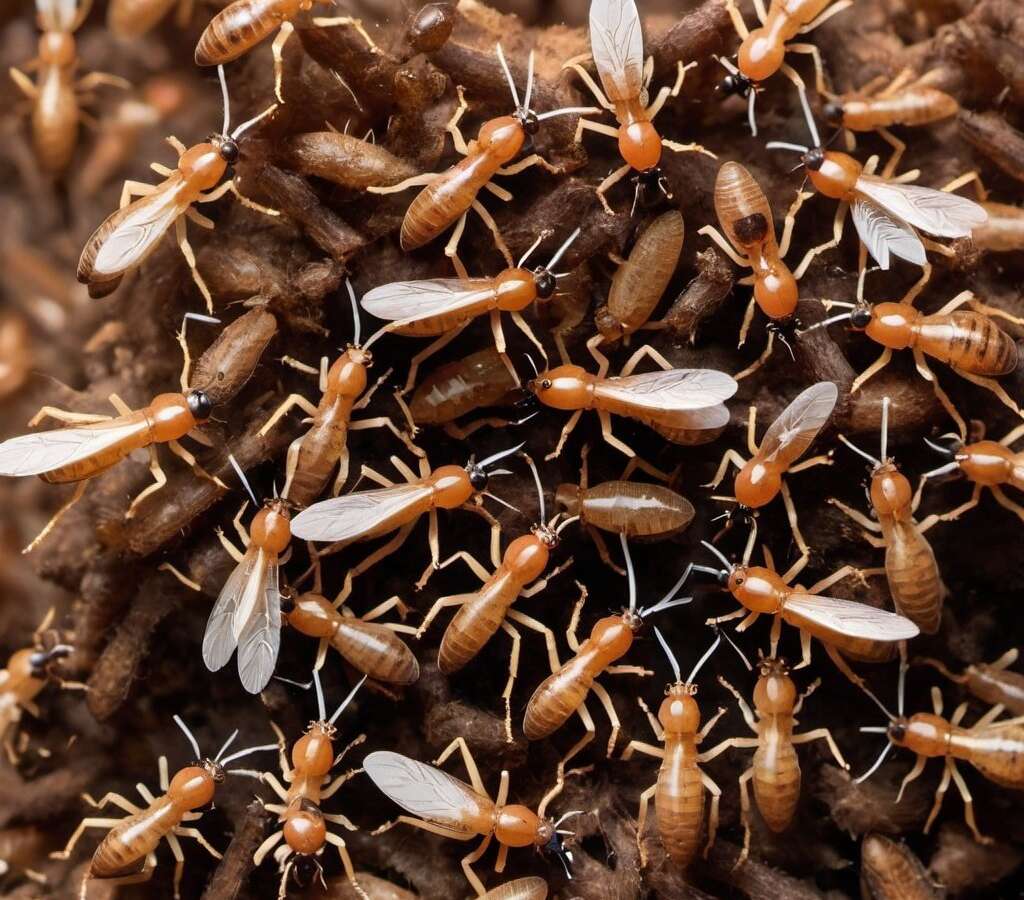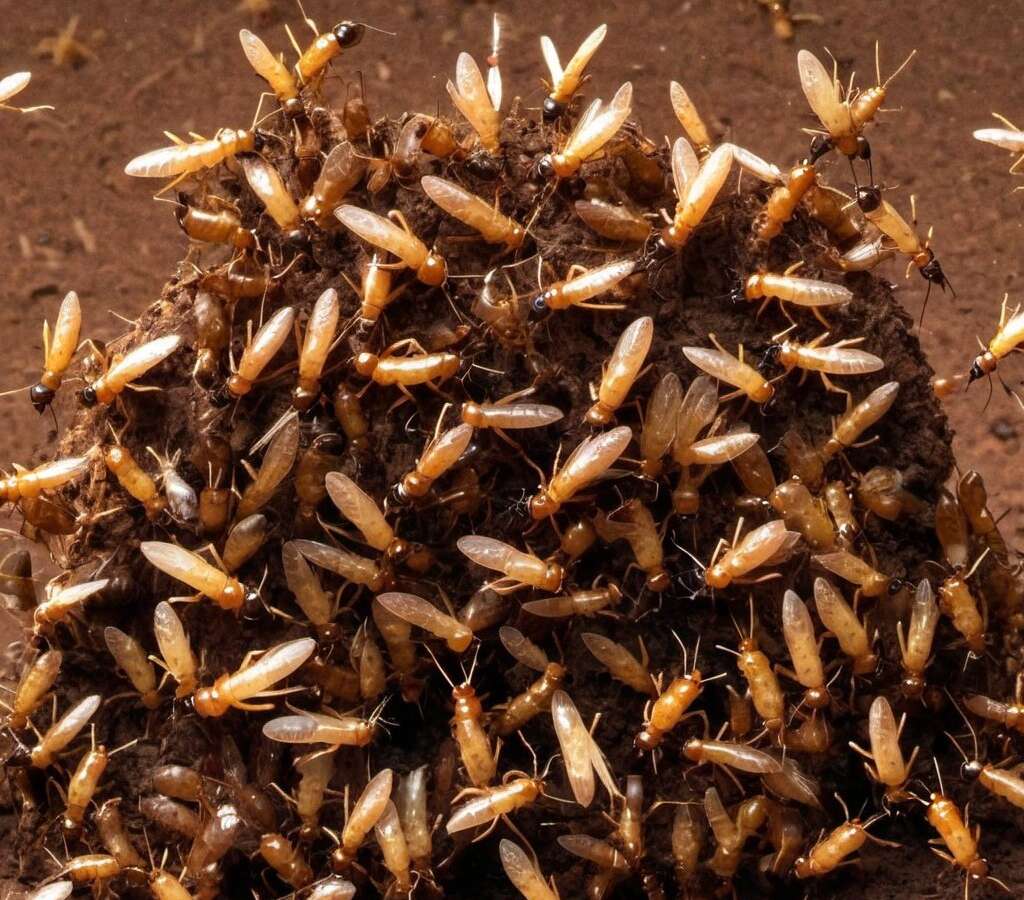

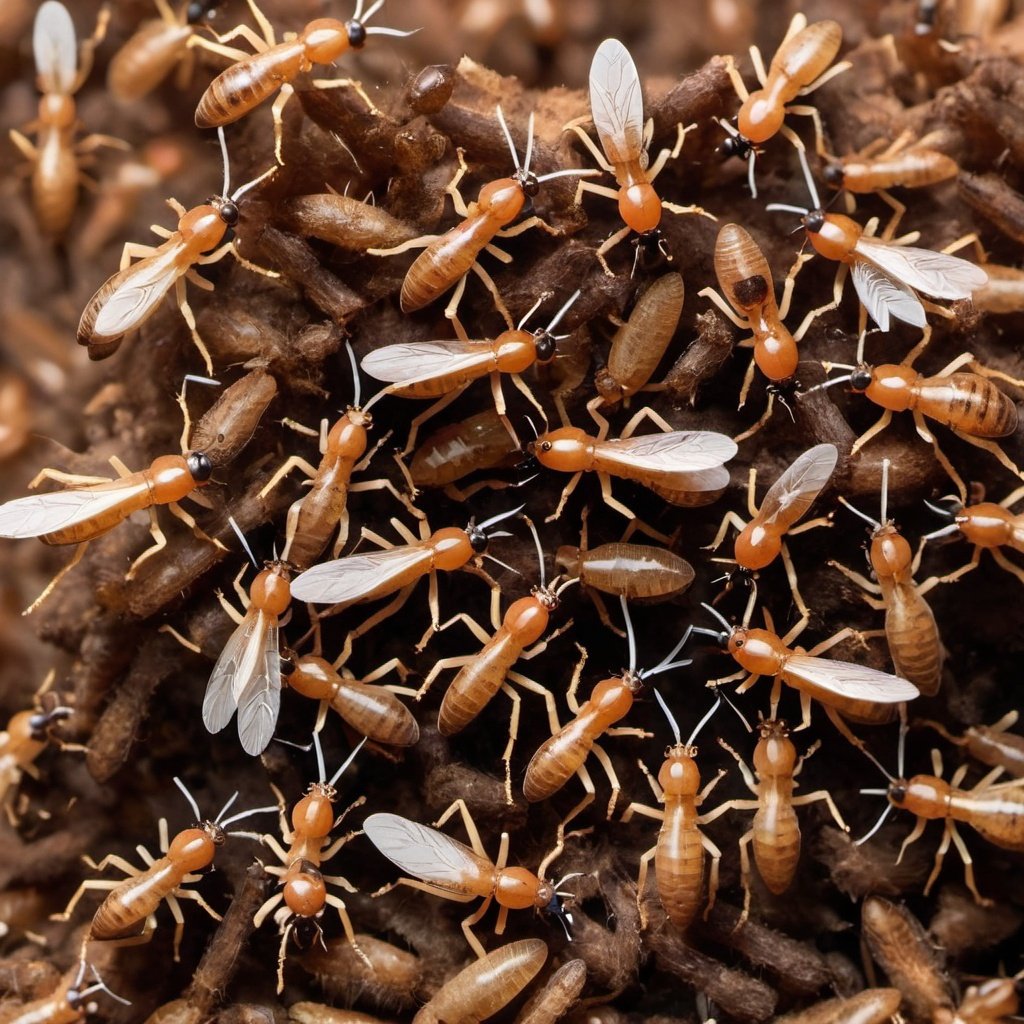

Termites are a major concern for Oklahoma homeowners. Eastern subterranean termites feed on cellulose-containing materials, including the wood used in homes. When termites reach structural wood and remain undetected, they can cause significant damage over time. Keeping an eye out for termite activity and considering preventive protection are good reasons to work with a Broken Arrow Exterminator. Let’s take a look at termites and some of the signs that may indicate activity around your home.
Subterranean termites live in colonies associated with the soil and need moisture to survive. When workers travel between the soil and an above-ground food source, they often construct shelter tubes, commonly called mud tubes. These tubes help protect termites from drying conditions and predators while they travel. Mud tubes along a foundation, crawl space, slab penetration, or other part of a structure can be an important sign of termite activity. Oklahoma State University Extension provides information about termite biology, signs of infestation, inspection, and control.
Mud dauber nests can sometimes be confused with termite mud tubes by homeowners, but they are produced by completely different insects. Mud daubers are solitary wasps that construct mud nests, often attached to walls, eaves, garages, sheds, and other protected surfaces. Termite shelter tubes are generally narrow passageways that connect termites with soil, wood, cracks, or other protected areas. Location and appearance can help with identification, although a professional inspection is the best way to confirm suspicious activity.
Termites can also enter structures through cracks, expansion joints, plumbing penetrations, and other concealed pathways. Inside a wall, they may feed on wood framing and other cellulose-based materials. Drywall itself contains a gypsum core, which is not cellulose, but the paper facing contains cellulose and may be damaged by termites. Signs can include damaged paper surfaces, mud or soil-like material, hollow or damaged wood, shelter tubes, and other evidence of concealed activity.
Because much of a subterranean termite colony and its activity can remain hidden, visible evidence may represent only part of the problem. The U.S. Environmental Protection Agency explains termite identification and control options, including the importance of correctly identifying termites before treatment.
A good Broken Arrow Exterminator can inspect a property for evidence of termites and help determine whether treatment or preventive protection is appropriate. Preventive options may include soil treatments, termite baiting systems, moisture correction, and reducing conditions that allow termites easy access to a structure, depending on the property and treatment plan.
TermMax Pest Control can help homeowners identify termite activity and evaluate options for protecting their homes. Contact us today for a free estimate and solutions designed to protect your home before termite damage becomes a larger problem.