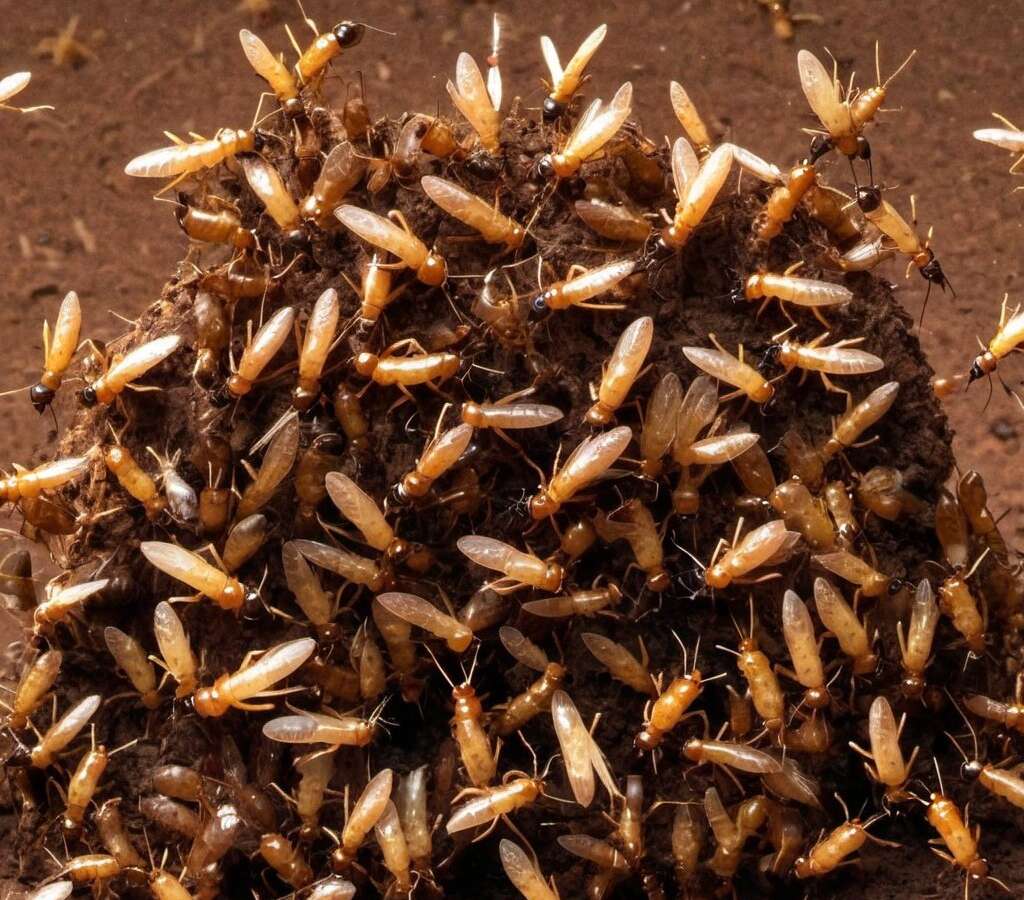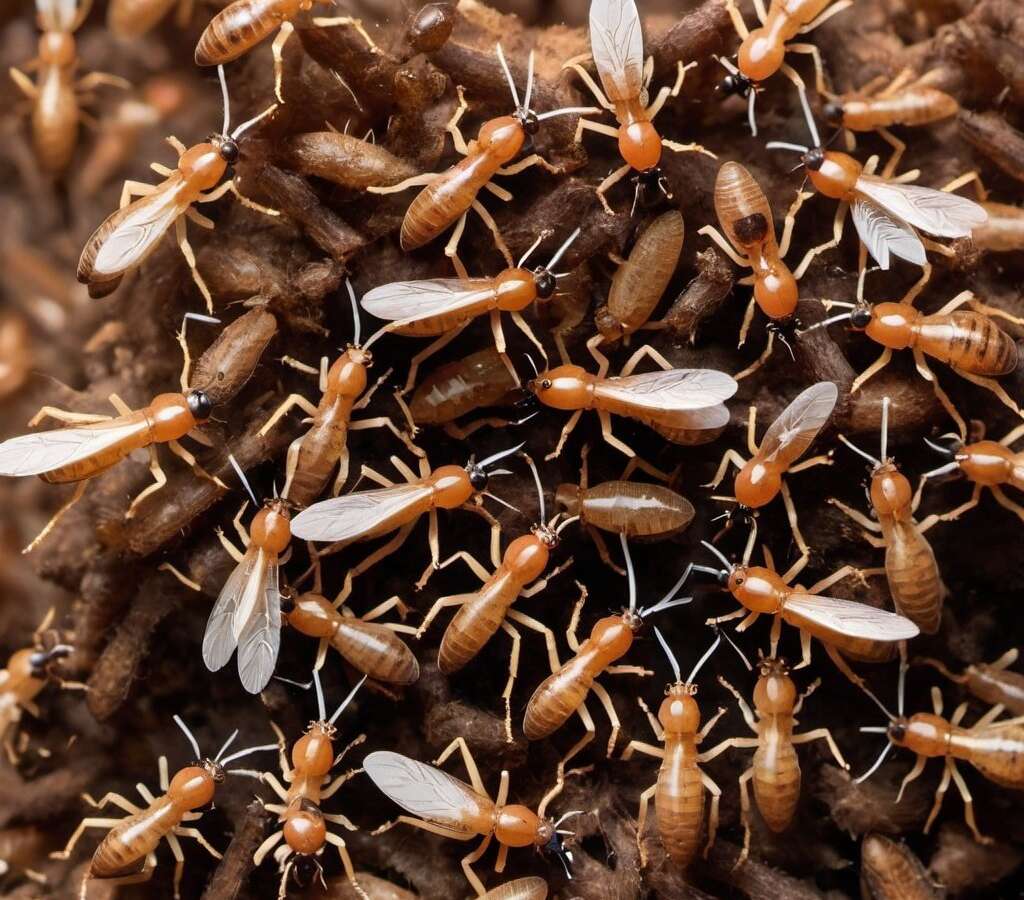


Out in the woods, trees and other plants will die and fall to the ground. In order to get rid of them, nature has to have a cleanup crew. That’s where the termite comes in. These wood-destroying insects will feed upon the wood to help eliminate it.
While this is a great system out in the woods, it’s not so great when those same termites want to feed upon the wood that makes up the structural portions of our home. These insects can be very destructive. So it’s important that we know everything we can about them and contact a Broken Arrow Pest Control company when necessary. Let’s take a good hard look at termites.
The first thing you should know about termites is the signs that can indicate you’re dealing with an infestation. In Oklahoma, subterranean termites live in colonies in the soil and commonly build mud tubes to travel between the soil and wood. Oklahoma State University Extension explains that mud tubes on foundation walls and unusually soft or hollow-sounding wood are common signs of subterranean termite activity.
If you see mud tubes on the side of your house, in your garage, or around a crawl space, it’s a good reason to have the property inspected. Mud tubes may reach wood portions of the structure where termites are feeding. When tubes are disturbed or weathered away, evidence of the termites’ travel and damage may remain.
You may also see soft spots or other changes in drywall and wood where termites have fed on cellulose-containing materials. Sometimes termite activity can remain hidden inside walls or other structural areas until enough damage or other evidence becomes visible. That’s why a newer infestation may not be obvious to a homeowner during a casual inspection.
You can also have a good Broken Arrow Pest Control company come in and inspect. If you think you’re having a problem with termites, it’s important to have the situation evaluated rather than relying only on what you can see.
For subterranean termites, professional treatment options commonly include liquid soil-applied termiticides and termite bait systems. The U.S. Environmental Protection Agency lists liquid soil treatments and termite baits among the approved approaches used for termite control.
With a liquid soil treatment, the treatment may involve trenching along appropriate foundation areas and applying a labeled termiticide to the soil. This creates a treated zone in areas where subterranean termites may travel between the soil and the structure. The exact application depends on the product label and the construction of the building.
Bait stations use a different approach. Stations are placed in the soil where foraging termites can encounter the bait. The termites feed on the bait, and the slow-acting material is designed to affect the colony over time. Bait systems require proper placement, inspection, and maintenance as part of the treatment program.
If you think you’re having a problem with termites or any other pests, it’s important that you contact a good Broken Arrow Pest Control company to deal with them. TermMax Pest Control can inspect the problem and explain the treatment options available for your home. Contact us right away if you think you’re having an issue.