

Why Tulsa Homeowners Should Watch for Termites
Termites can remain hidden while they feed on wood and other cellulose-containing materials. In northeastern Oklahoma, subterranean termites are a concern because workers can travel from colonies in the soil into the wood of a house. Damage may develop long before anyone sees a live termite. That is why a homeowner should pay attention to small warning signs and request an inspection when something seems unusual. A Tulsa exterminator can help distinguish termite activity from other causes of damaged wood. An inspection is particularly useful when buying a home, remodeling, or discovering moisture damage.
Mud Tubes Along Foundations
Subterranean termites often construct narrow tubes made from soil and other material. These tubes help protect the insects as they move between soil and a food source. Look along accessible foundation walls, crawl-space supports, and areas where pipes enter the building. Tubes may be concealed behind stored belongings or landscaping. Finding one is a reason to investigate, but breaking it open does not eliminate the colony. Termites may repair it or use another route. Photograph suspicious tubes and ask a qualified professional to examine the area before covering it with paint or repairs.
Winged Termites and Discarded Wings
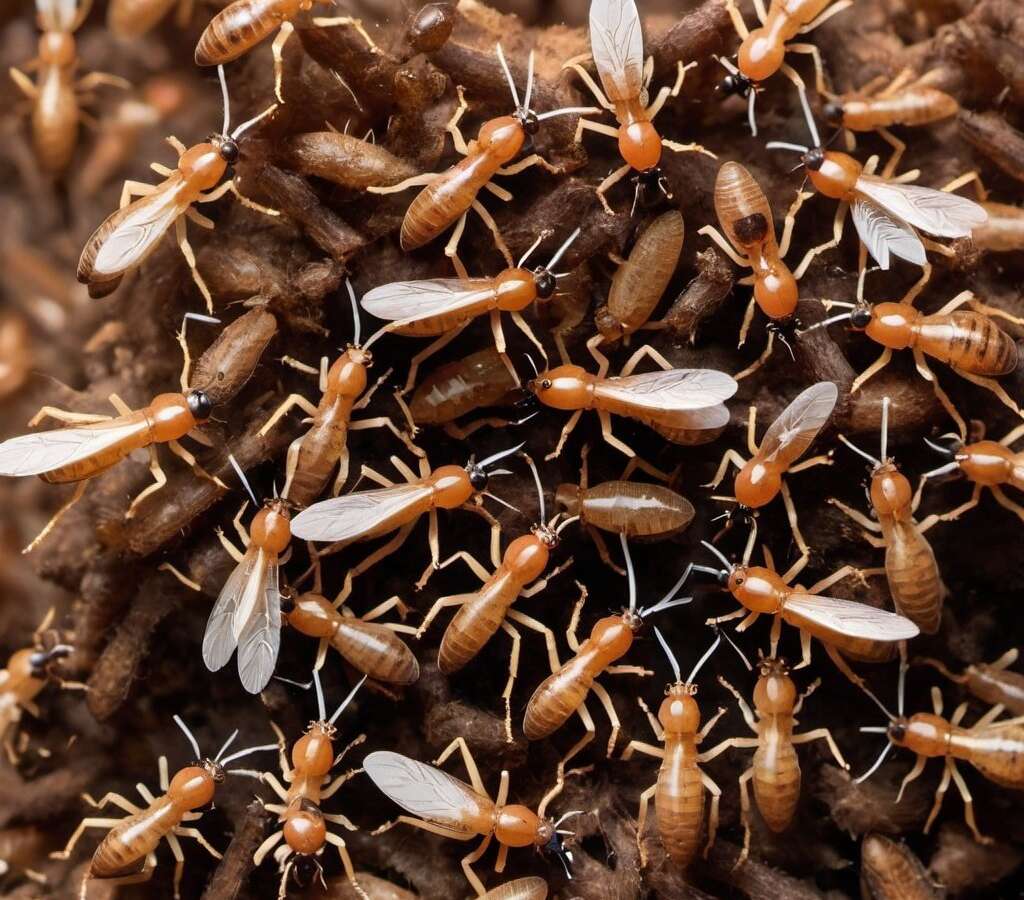
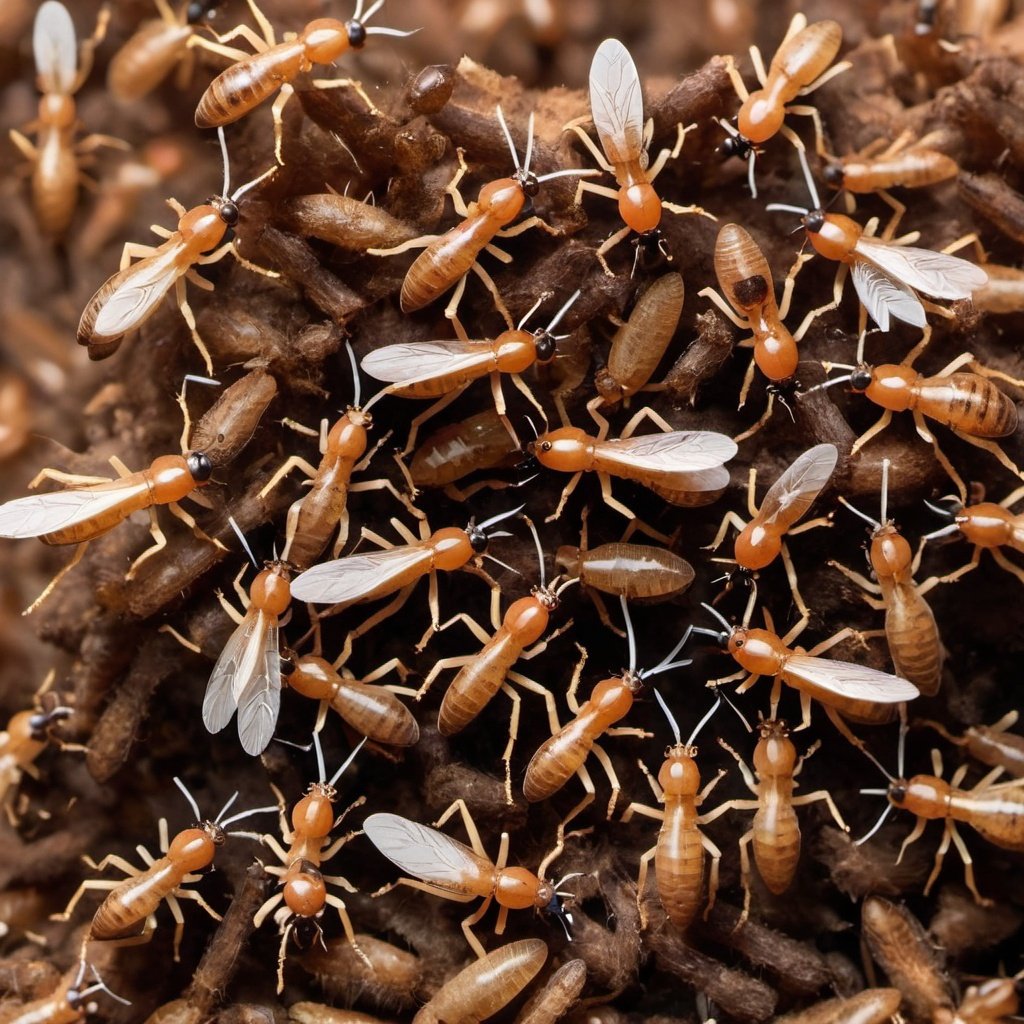
A mature termite colony may release winged reproductive termites called swarmers. Homeowners sometimes find these insects near windows or lights, or discover loose wings on a windowsill. Flying ants can look similar, so identification matters. Termite swarmers generally have relatively straight antennae, broad waists, and pairs of wings of similar length. Many winged ants have elbowed antennae and narrow waists. Seeing a swarm outside does not automatically prove your house is infested. Finding swarmers indoors, however, is a strong reason to schedule an inspection with a Tulsa exterminator.
What Damaged Wood Can Reveal
Termites may consume wood from the inside, leaving the surface looking better than the structure beneath it. A baseboard may sound hollow, trim may crumble, or a damaged board may reveal narrow galleries. Paint that bubbles and flooring that changes shape can also attract attention, although these symptoms have several possible causes. Water damage and wood-decaying fungi can resemble termite damage. Avoid assuming that every soft board means termites. The most useful next step is to document the damage, identify any active insects, and determine whether structural repairs or treatment are needed.
Moisture and Entry Conditions
Persistent moisture can make parts of a property more favorable to subterranean termites. Leaking plumbing, blocked gutters, drainage that directs water toward the foundation, and damp crawl spaces should be corrected. Keep firewood and scrap lumber away from the house rather than stacked against siding. Avoid letting soil or mulch hide the foundation inspection area. Where practical, eliminate direct contact between structural wood and soil. These actions can reduce favorable conditions and improve visibility, but they do not provide a guarantee. Termites can still reach a well-maintained house through concealed paths.
What Happens During an Inspection
A termite inspection involves looking for live insects, mud tubes, damaged wood, discarded wings, and conditions that make activity more likely. A technician may examine accessible foundation edges, garages, crawl spaces, plumbing penetrations, and wooden materials close to the ground. Finished walls and inaccessible spaces limit what anyone can see without opening the structure. A good inspection report should explain observed evidence, likely risk areas, and those limitations. Ask questions about whether activity appears current and what additional evaluation is appropriate. An honest Tulsa exterminator will distinguish confirmed findings from suspicions.
Choosing Between Liquid Treatment and Bait
Two common approaches for subterranean termites are soil-applied liquid termiticides and in-ground bait stations. Liquid products are applied according to their labels in specified soil locations around a structure. Bait systems rely on foraging termites finding and consuming bait placed in monitored stations. Neither approach is a universal answer for every building. The structure, access, moisture conditions, product requirements, and service agreement all matter. Some installations require trenching or drilling; bait systems require continuing inspections and maintenance. Ask the company to explain what will be done, why, and how results will be assessed.
Keeping Up With Termite Protection
After treatment, continue to manage moisture and watch for new warning signs. Save treatment records and inspection reports, especially if the home changes owners or a contractor later discovers damaged wood. Do not assume that eliminating visible termites repairs weakened framing. Structural damage should be evaluated separately by a qualified professional. If activity appears to return, contact the treating company and review the service agreement rather than relying on household sprays. TermMax Pest Control can help Tulsa-area homeowners assess suspicious signs and discuss a practical termite-management plan.
Authoritative Termite Resources
EPA termite identification and control guidance and Oklahoma State University Extension termite-control information provide additional educational background.