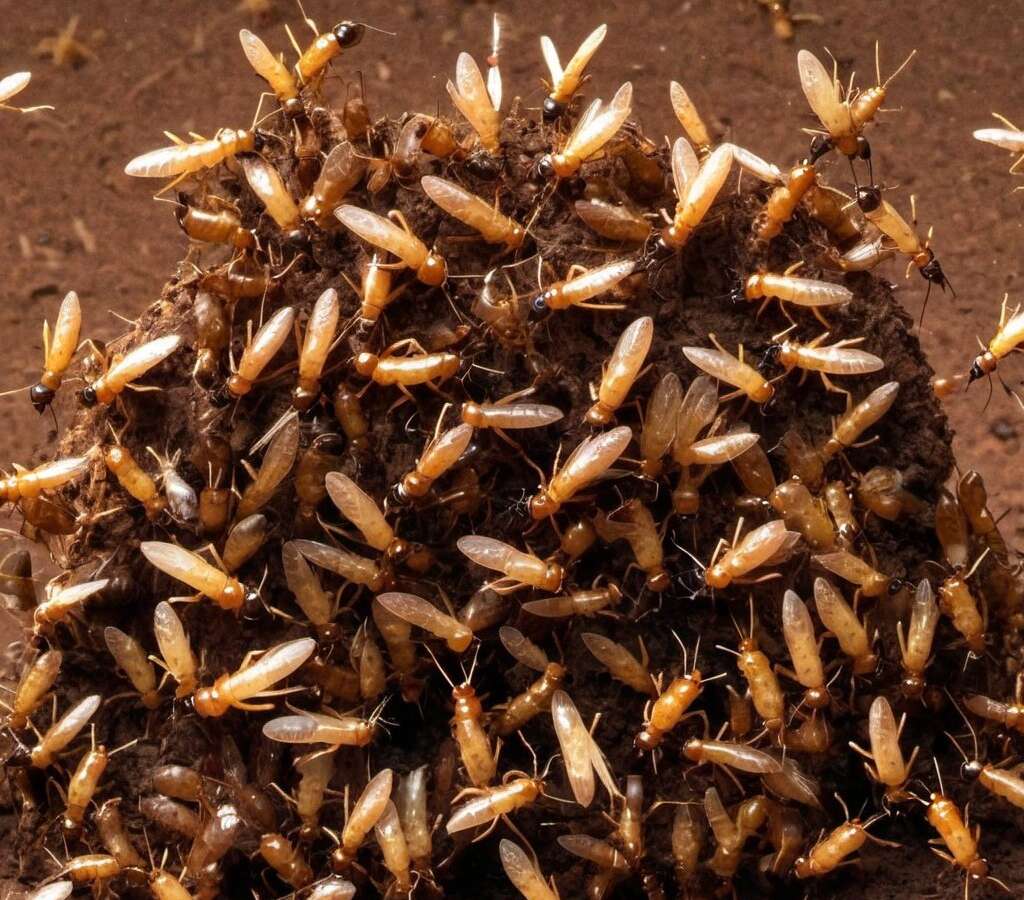

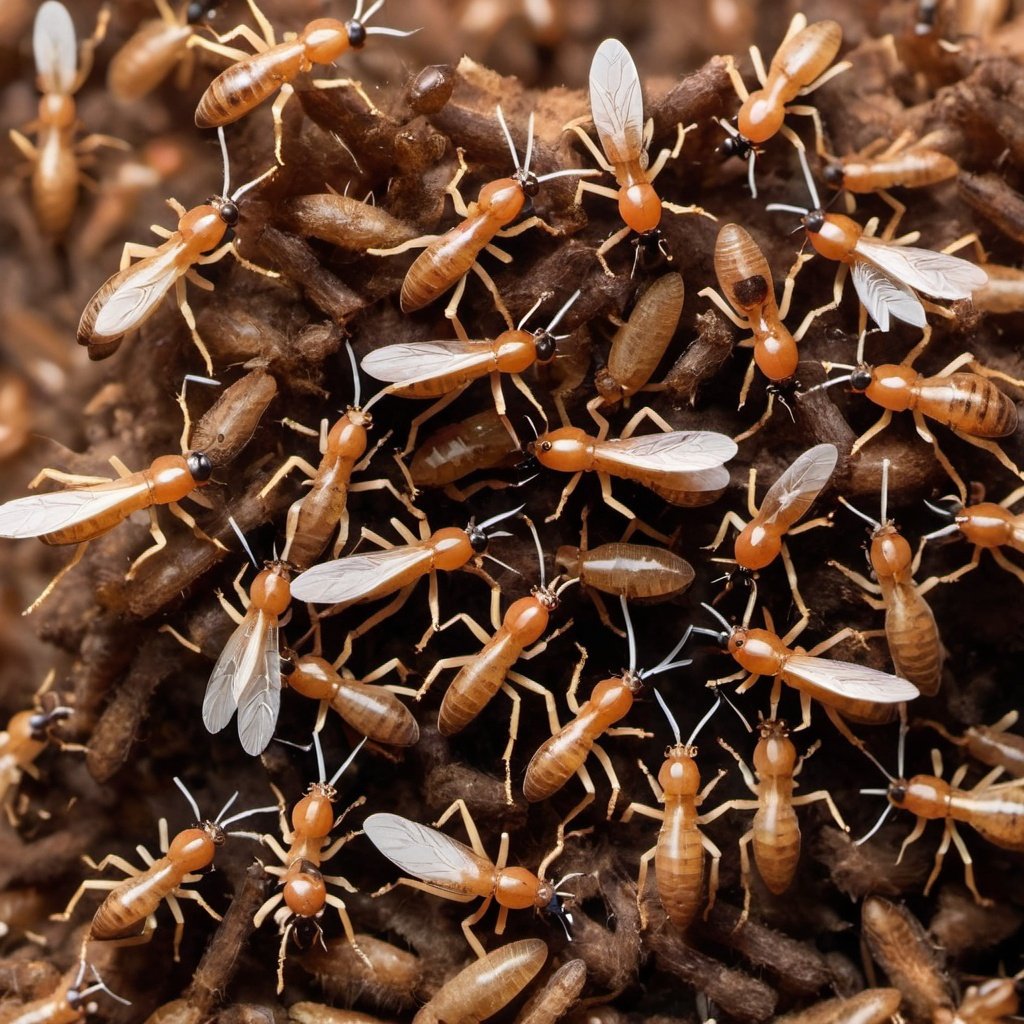

Bathrooms may not be the first place homeowners think of when it comes to termite problems, but they can provide ideal conditions for infestation. With constant moisture, plumbing lines, and hidden wall voids, bathrooms create an environment that subterranean termites find highly attractive. If you suspect termite activity near tubs, showers, or sinks, professional Broken Arrow Pest Control services can help detect and eliminate the issue before major structural damage occurs.
Termites are drawn to moisture. Subterranean termites, the most common species in Oklahoma, rely on damp environments to survive. Bathrooms naturally produce humidity from showers, baths, and sinks. Small plumbing leaks behind walls or beneath flooring can go unnoticed for months, softening wood and creating the perfect feeding site for termites.
According to the U.S. Environmental Protection Agency (EPA), reducing moisture around your home is one of the most effective ways to prevent termite infestations. Fixing leaks, improving ventilation, and addressing drainage issues can significantly reduce risk. You can learn more about termite prevention here:
https://www.epa.gov/safepestcontrol/termites
The U.S. Department of Agriculture (USDA) explains that subterranean termites build mud tubes to maintain contact with soil moisture while feeding on wood structures. These tubes may appear along bathroom walls, under sinks, or near plumbing penetrations. More information about termite biology can be found here:
https://www.ars.usda.gov/oc/br/termites/
Because bathrooms often contain wood framing behind tile, drywall, and cabinetry, termite damage can remain hidden until it becomes severe. A trained Broken Arrow Pest Control professional can inspect these vulnerable areas and identify early warning signs.
Common signs of termites in bathrooms include:
- Bubbling or peeling paint
- Warped or soft baseboards
- Hollow-sounding wood when tapped
- Mud tubes along walls or flooring
- Sagging cabinets or vanities
Homeowners sometimes mistake termite damage for water damage alone. While water issues can cause similar symptoms, termites may be actively feeding inside the structure at the same time. Professional inspection from Broken Arrow Pest Control experts can determine whether moisture problems, termites, or both are present.
Leaky plumbing is one of the biggest risk factors in bathroom termite infestations. Even small drips from supply lines or drains can create long-term moisture buildup inside wall cavities. Poor ventilation can also trap humidity, increasing wood moisture content.
Preventative steps include:
- Repairing leaks promptly
- Installing proper exhaust fans
- Sealing gaps around plumbing penetrations
- Ensuring proper drainage away from the foundation
- Scheduling routine termite inspections
While prevention is important, once termites establish a colony inside your home, professional treatment is essential. Effective termite control may include:
- Comprehensive inspection of affected areas
- Soil-applied termiticides
- Installation of termite baiting systems
- Moisture control recommendations
- Ongoing monitoring
Addressing both the termites and the underlying moisture issue ensures long-term protection.
For comprehensive termite and pest control services, visit:
https://termmax.net/pest-control-services/
Ongoing pest management plans can help detect hidden activity before extensive structural damage develops.
To learn more about complete pest protection options, visit:
https://termmax.net/
Termites and bathrooms may not seem connected at first, but moisture makes these spaces especially vulnerable. Early detection and prompt treatment from experienced Broken Arrow Pest Control professionals can prevent costly repairs and protect your home’s structure. If you notice signs of damage or persistent moisture in your bathroom, acting quickly can save you from significant long-term problems.