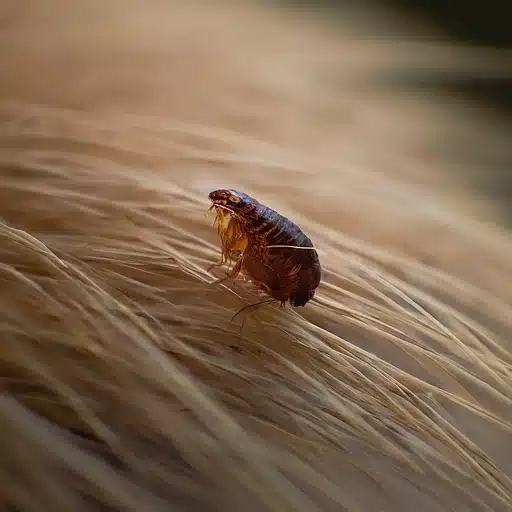



Understanding Tick Bites: Important Information for You and Your Family
With the arrival of warmer months, outdoor activities become increasingly popular. Whether you’re hiking, camping, or simply enjoying your backyard, it’s crucial to be aware of ticks and the potential risks associated with their bites. Tick bites can lead to various health issues, including debilitating diseases like Lyme disease and Rocky Mountain spotted fever. In this article, we’ll explore tick bites, how to prevent them, and the role of expert services like Broken Arrow Pest Control in keeping your environment tick-free.
What Are Ticks?
Ticks are small arachnids that thrive in wooded, grassy, and humid areas. They are ectoparasites, meaning they feed on the blood of mammals, birds, reptiles, and sometimes amphibians. Ticks are often hard to spot due to their tiny size, which can range from the size of a pinhead to that of a marble, depending on their life stage. Without proper knowledge and prevention tactics, individuals can unknowingly become hosts to these pests, leading to bites and health complications.
Understanding Tick Bites
When a tick bites, it attaches itself to the skin and inserts its mouthparts, often going unnoticed for hours or even days. Tick bites are generally harmless, but they can pose serious health risks if the ticks are carriers of pathogens. Not all ticks spread disease, but it’s important to recognize the symptoms of a tick bite. These may include redness, swelling, and itching at the site of the bite. In some cases, individuals may develop a rash or fever, which can indicate a more severe infection.
The Risks of Tick-Borne Diseases
The most concerning aspect of tick bites is the potential for disease transmission. Lyme disease, for instance, is caused by the bacterium Borrelia burgdorferi and is primarily transmitted through the bite of infected black-legged ticks, commonly known as deer ticks. Early symptoms of Lyme disease include fever, headache, fatigue, and a characteristic skin rash known as erythema migrans. If left untreated, the infection can spread to joints, the heart, and the nervous system.
Another notable tick-borne illness is Rocky Mountain spotted fever, transmitted by the American dog tick. Symptoms typically develop between 2 to 14 days after the bite and may include high fever, rash, and stomach pain. Seeking prompt medical attention if any symptoms arise after a tick bite is crucial for successful treatment.
Preventing Tick Bites
Prevention is the best strategy against tick bites. Here are some essential tips to keep you and your family safe:
- Choose the Right Clothing: Wear long sleeves and pants when venturing into tick-infested areas. Light-colored clothing makes it easier to spot ticks crawling on you.
- Use Tick Repellents: Apply EPA-approved insect repellents to exposed skin and clothing. Products containing DEET or permethrin are most effective against ticks.
- Stay on Trails: When hiking, stick to the center of trails and avoid brushing against tall grasses and shrubs where ticks are likely to be hiding.
- Perform Tick Checks: After spending time outdoors, carefully check yourself, your children, and your pets for ticks. Pay close attention to hard-to-see areas like behind the ears, under the arms, and around the waist.
- Create a Tick-Free Zone: Keep your yard well-maintained. Mow the lawn regularly and clear out any underbrush. This helps to reduce tick populations.
- Consider Professional Help: If you live in an area known for high tick populations, it may be worth considering professional pest control services. Companies like Broken Arrow Pest Control can provide effective solutions for managing ticks on your property, giving you peace of mind while enjoying the outdoors.
Conclusion
Tick bites can pose serious health risks, but with the right knowledge and preventive measures, you can minimize your chances of being bitten. Awareness of tick behavior and habitats is crucial, as is taking steps to protect yourself and your loved ones. Remember that if you find a tick on your body or experience symptoms following a tick bite, seek medical attention promptly.
For further information on the effects of tick bites and how to handle them, you can learn more from this source. Additionally, expand your understanding of preventative measures through this educational resource. Stay safe and enjoy your time outdoors!