

Exploring Wasp Types: A Guide by Broken Arrow Exterminator
When summer arrives and outdoor activities commence, few pests are as unwelcome as wasps. Known for their aggressive behavior and painful stings, wasps can quickly turn a peaceful picnic or backyard gathering into a stressful ordeal. Understanding the different types of wasps is crucial for effective pest management, and that’s where professionals like Broken Arrow Exterminator come into play. In this blog post, we’ll explore the various wasp species, their behaviors, and tips for safe removal and prevention.
The Diversity of Wasp Species
Wasps are a diverse group of insects belonging to the order Hymenoptera, which also includes bees and ants. While many people think of “wasp” as a single species, there are numerous types, each with distinctive characteristics and behaviors.
1. Paper Wasps (Polistes spp.)
One of the most common wasps encountered in suburban areas, paper wasps are easily identified by their slender bodies and long legs that dangle beneath their bodies when flying. They build open, umbrella-shaped nests from a papery substance made by chewing wood fibers mixed with saliva. Paper wasps are generally less aggressive than other wasps but will sting if provoked. They play a beneficial role in controlling pest populations, but their nests near human dwellings can pose risks.
2. Yellowjackets (Vespula and Dolichovespula spp.)
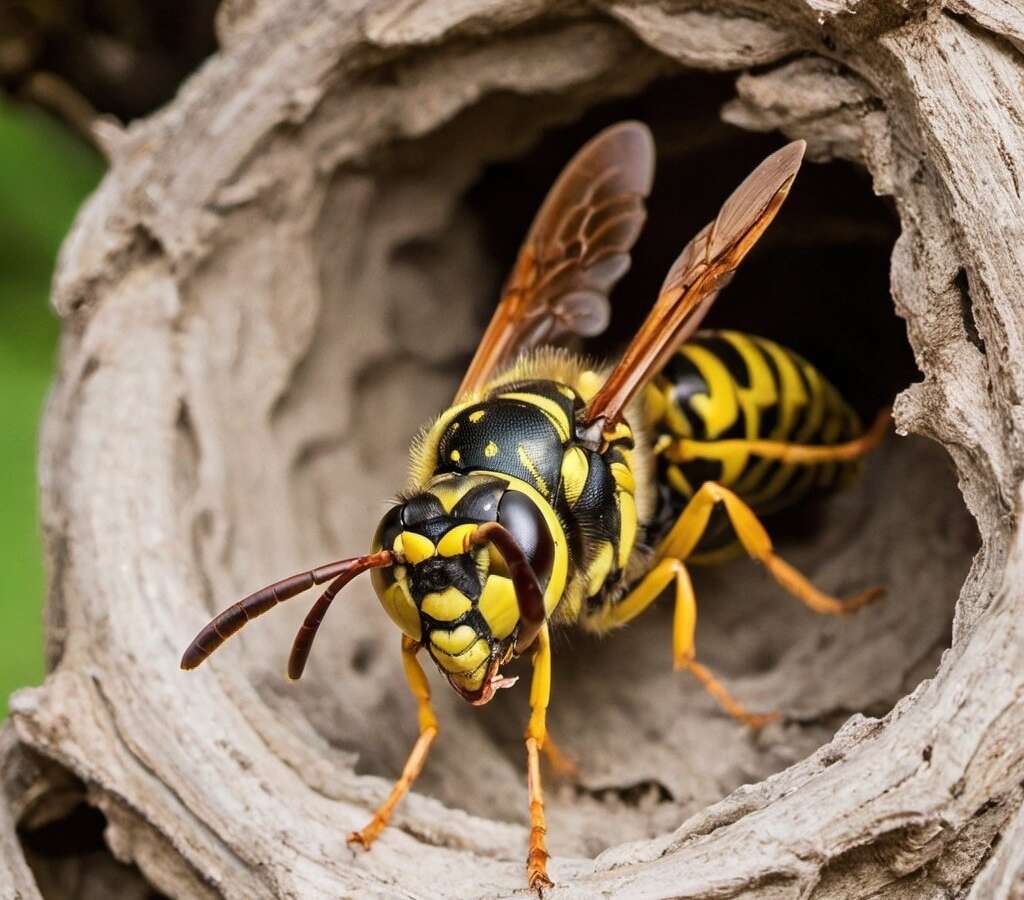
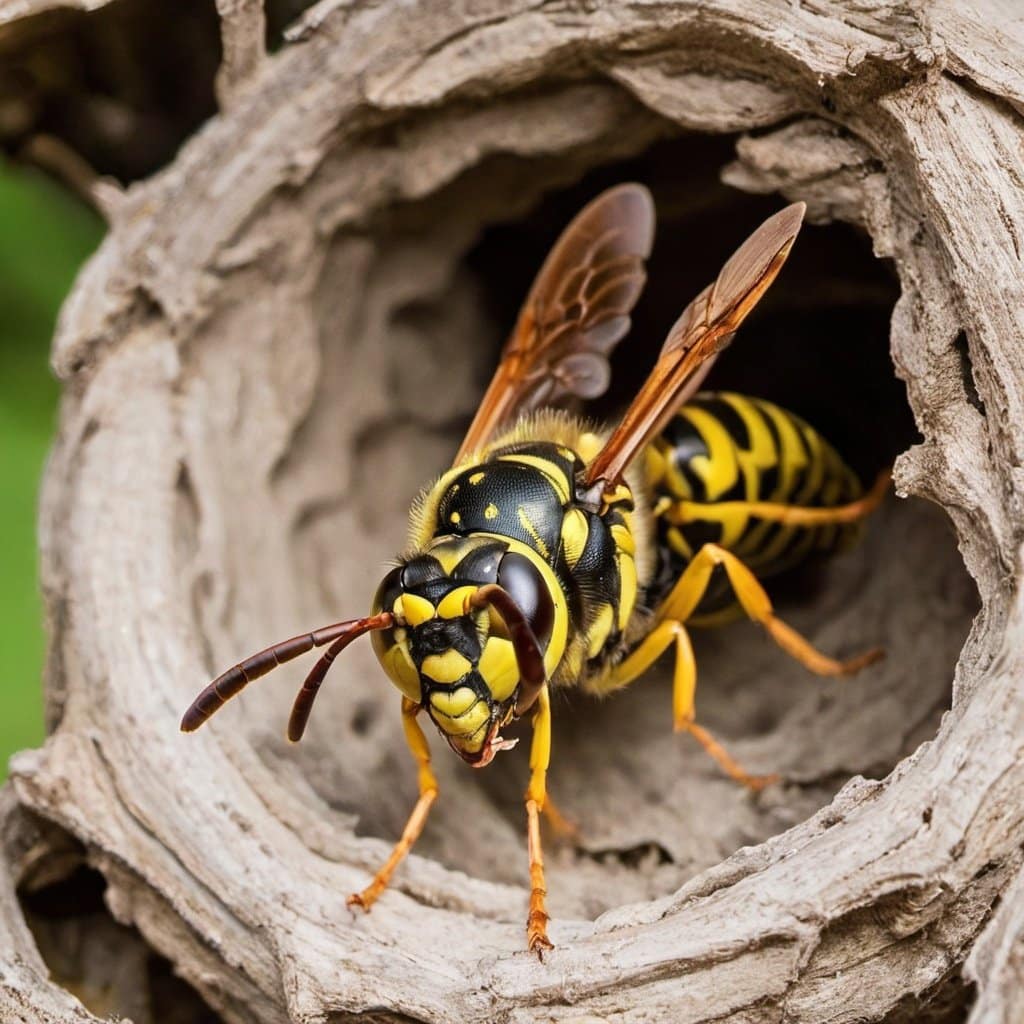
Yellowjackets are notorious for their aggressive behavior and painful stings. They are robust, with bright yellow and black coloration, and tend to be more territorial, especially in late summer and fall. Unlike paper wasps, yellowjackets often build their nests underground or in sheltered areas like wall voids. Their highly aggressive nature makes them particularly dangerous to those allergic to stings.
3. Hornets (Vespa spp.)
Hornets are among the largest wasps, with some species reaching up to an inch long. Their nests are sizable, often found hanging from trees or eaves. European hornets are common in North America, and they tend to be less aggressive than yellowjackets but will defend their nest vigorously if disturbed. Their formidable size and defensive behavior make professional removal essential.
4. Mud Daubers (Sceliphron spp.)
Unlike social wasps, mud daubers are solitary and prefer to build nests from mud in sheltered areas such as eaves or garages. They are less aggressive and pose minimal threat to humans, but their presence can be a nuisance.
Why Understanding Wasp Types Matters
Identifying the specific wasp species is vital because it influences the approach to removal and prevention. For instance, Broken Arrow Exterminator emphasizes that attempting to remove a wasp nest without proper knowledge can lead to aggressive stings or nest destruction that causes the wasps to become more defensive.
Safe Wasp Management Tips
- Professional Assistance: The safest and most effective method to deal with wasp nests is to contact a licensed pest control service like Broken Arrow Exterminator. They have the expertise and equipment to remove nests safely.
- Preventative Measures: Seal cracks and gaps around your home, keep trash sealed, and remove potential nesting sites.
- Avoid DIY Removal: Handling nests yourself can provoke a swarm. Use protective clothing and appropriate insecticides if attempting removal, but professional help is recommended.
Resources for Further Learning
For those interested in the ecological role of wasps and their behavior, university resources can provide valuable insights. The University of Florida’s IFAS Extension offers comprehensive guides on wasp identification and management (visit UF IFAS Extension). Additionally, Oregon State University’s Department of Entomology provides detailed information on wasp species and their habitats (OSU Department of Entomology).
Conclusion
Understanding the different types of wasps and their behaviors is essential for effective management and safety. Whether it’s the solitary mud dauber or the aggressive yellowjacket, knowing what you’re dealing with can prevent painful stings and property damage. When in doubt, always turn to professionals like Broken Arrow Exterminator for safe, reliable removal services. Protect your home and loved ones by staying informed about wasp species and practicing preventive measures this season.
Disclaimer: Always consult a licensed pest control professional for wasp removal and pest management. Do not attempt to handle nests or wasps unless properly trained and equipped.