

Understanding Wasp Types: A Guide to Protecting Your Home with Broken Arrow Pest Control
When summer arrives, so do the buzzing insects known as wasps. These insects are not only a nuisance but can pose serious health risks, especially to those allergic to their stings. Recognizing the different types of wasps and understanding their behaviors is crucial for effective pest management. Partnering with a trusted pest control service like Broken Arrow Pest Control can help you identify and eliminate wasp threats before they become a problem.
Common Types of Wasps
1. Paper Wasps
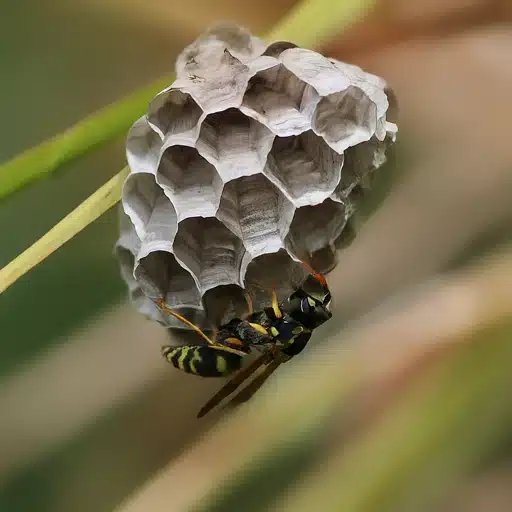
Paper wasps are among the most recognizable wasp species. They are characterized by their slender bodies, long legs, and distinctive reddish-brown or black coloration with yellow markings. These wasps are social insects that build open, umbrella-shaped nests from a paper-like material, often hanging from eaves, tree branches, or other sheltered areas. Their nests can contain hundreds of wasps, especially during late summer.
2. Yellowjackets
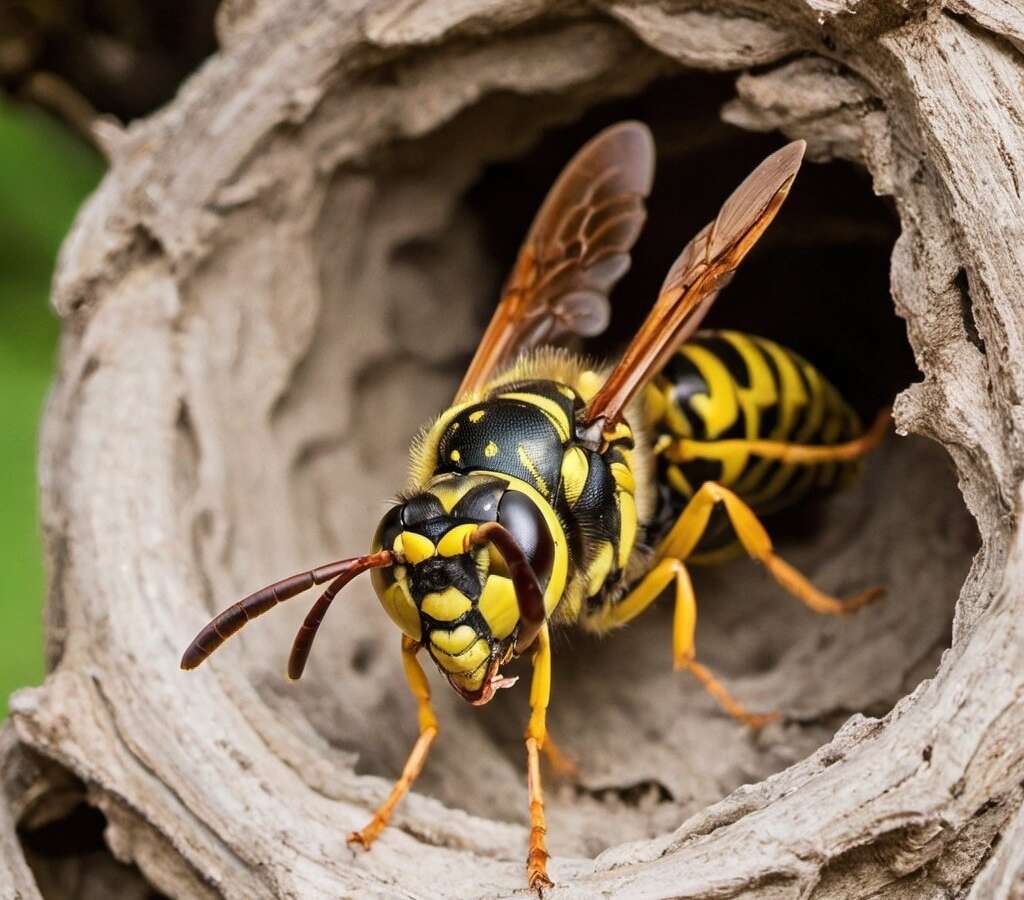
Yellowjackets are notorious for their aggressive behavior and painful stings. They are usually black and yellow with a more robust body compared to paper wasps. Unlike paper wasps, yellowjackets often build underground nests or in wall cavities, making them harder to detect. During late summer and early fall, yellowjackets become particularly aggressive as they search for food, often invading picnics and trash cans.
3. Mud Daubers
Mud dauber wasps are solitary insects that build their nests from mud. They are generally less aggressive than other wasp species and pose less threat to humans. Their nests resemble small tubes or pots attached to structures like fences or eaves. Mud daubers are beneficial in controlling spider populations, as they primarily prey on spiders to provision their nests.
4. Baldfaced Hornets
Often mistaken for large yellowjackets, baldfaced hornets are actually a species of wasp known for their white face and black body. They are social insects that construct large, papery nests in trees or shrubs. These wasps are highly social and can become defensive if their nests are disturbed.
Why Identification Matters
Identifying the specific wasp type is essential because different species require tailored control strategies. For example, while paper wasps may be manageable with targeted nest removal, yellowjackets often require more extensive treatment due to their aggressive nature and underground nests.
How Broken Arrow Pest Control Can Help
If you’re facing a wasp invasion, it’s best to consult with professionals who understand the nuances of wasp behavior and control methods. Broken Arrow Pest Control offers comprehensive pest management services, including safe and effective wasp removal. Their trained technicians can identify the wasp species, locate their nests, and employ environmentally responsible treatment options to ensure your safety.
Preventive Measures
Prevention is key to avoiding wasp problems. Keep gutters clean, seal cracks and crevices, and avoid leaving sugary foods or drinks outside during outdoor gatherings. Regular inspections by pest control professionals can also help catch nests early before they become a hazard.
Educational Resources
For those interested in learning more about wasp behavior and control, reputable sources such as University of Kentucky’s Entomology Department and University of Georgia’s College of Agriculture offer valuable information on managing stinging insects.
Conclusion
Understanding the different types of wasps and their behaviors can significantly reduce the risk of painful stings and structural damage to your home. Whether you’re dealing with aggressive yellowjackets or less invasive mud daubers, enlisting the help of professionals like Broken Arrow Pest Control ensures safe and effective pest management. Remember, timely intervention and proper identification are your best defenses against these often pesky, sometimes dangerous insects. Stay vigilant, and enjoy a safe, wasp-free summer!