

# Wasps in the Walls: Why the Nest Location Matters
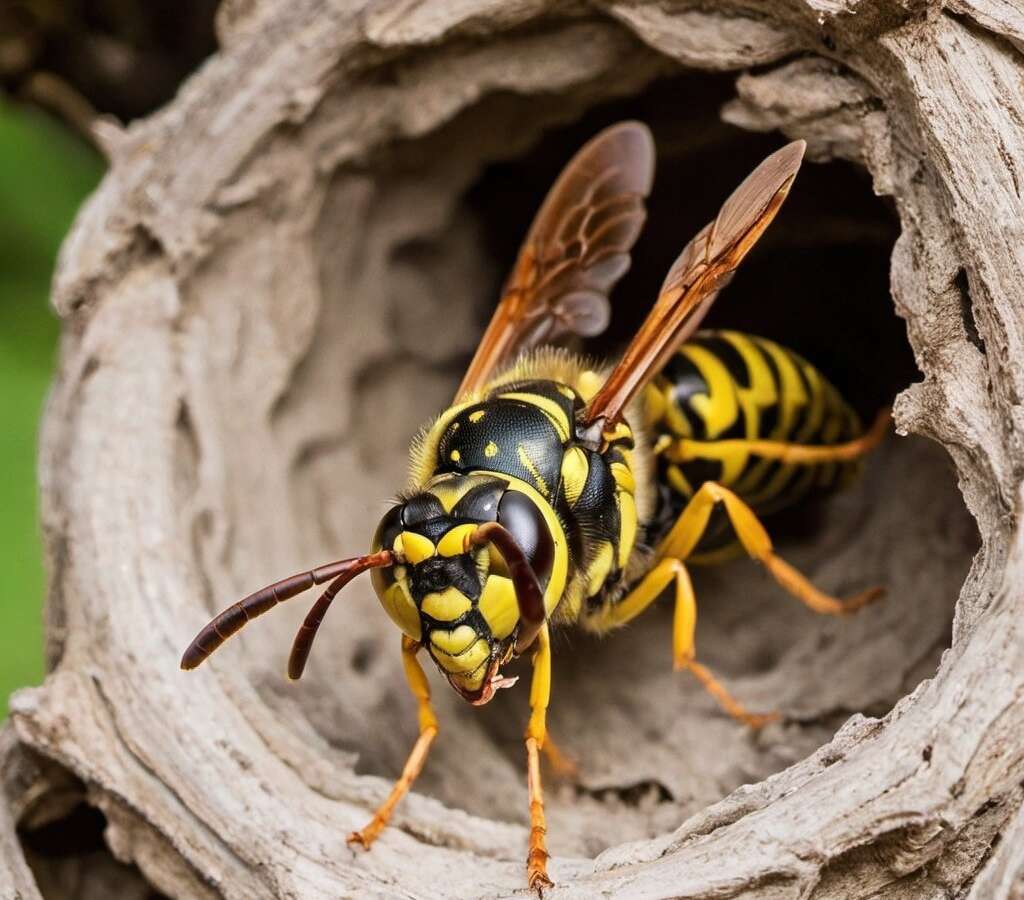
One of the calls that gets my attention is when a homeowner says, “I keep seeing wasps going into the side of my house.” That’s different from finding a small paper wasp nest hanging under the porch. When insects are using a crack around the siding, a roofline gap, or another opening, the nest may be somewhere you can’t see. That’s a good reason to talk with a Tulsa Exterminator before trying to handle it yourself.
A lot of people assume that if they can see the opening, they know exactly where the nest is. Unfortunately, that’s not always how it works. The entrance might be only a small gap, while the colony is farther inside a wall or other protected space. The insects may travel through a cavity before reaching the nest. Simply covering the hole or spraying into it without identifying the insect can create additional problems.
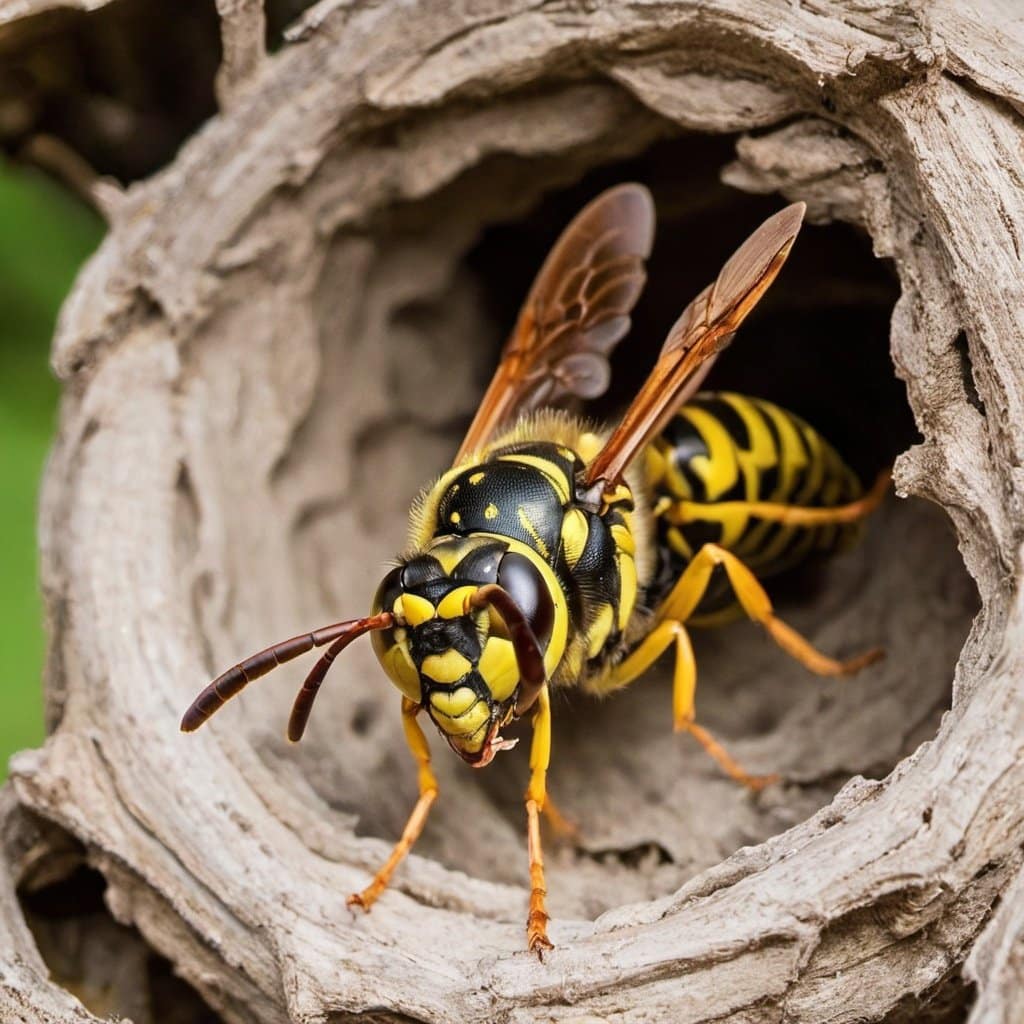
Different wasps use different nesting locations. Paper wasps often build exposed nests under eaves and other sheltered surfaces. Yellowjackets can nest in cavities, and some species use underground spaces. Mud daubers make distinctive mud nests and generally aren’t as defensive as social wasps. Those differences matter because the risk to the homeowner and the best approach aren’t the same for every species.
I always want to know where people are seeing activity. Is it near the front door? Is it beside a bedroom window? Does somebody hear buzzing in a wall, or are there insects appearing indoors? We take those reports seriously, but we still need to inspect before deciding what’s happening. Not every buzzing sound means there’s a wasp colony in the wall, and not every insect around the roof is nesting there.
At TermMax Pest Control, we work to identify the insects and locate the activity before recommending treatment. If a colony is inside a structure, the plan may be different from treating an exposed nest. We also want to avoid making the insects more likely to enter occupied areas. That means taking our time with the inspection instead of treating the first opening we notice.
One other thing homeowners should understand is that a wasp problem can change as the season goes on. A small colony early in the warm season may be much larger later. Activity can also drop when colder weather arrives, but that doesn’t mean every opening in a building should be ignored. An inspection can help separate a current nesting problem from a place where insects are just passing through.
The entrance alone may not tell the whole story. We do not want to recommend sealing an opening until we understand whether active insects are using it and where they might go if their usual route is blocked. The inspection comes first.
If you’re seeing wasps repeatedly entering your siding, soffit, or roofline, give TermMax Pest Control a call. We’ll talk through what you’ve noticed and inspect the situation. When you need a Tulsa Exterminator, we want you to understand what the problem is before any work begins. The goal is to deal with the nest safely and help you feel comfortable using your home again.