

When temperatures drop in Oklahoma, many homeowners assume wasps disappear completely. While wasp activity certainly decreases during colder months, winter doesn’t always mean you’re in the clear. Understanding how wasps behave in winter can help you stay ahead of infestations — and professional Broken Arrow Pest Control services can ensure your home remains protected year-round.
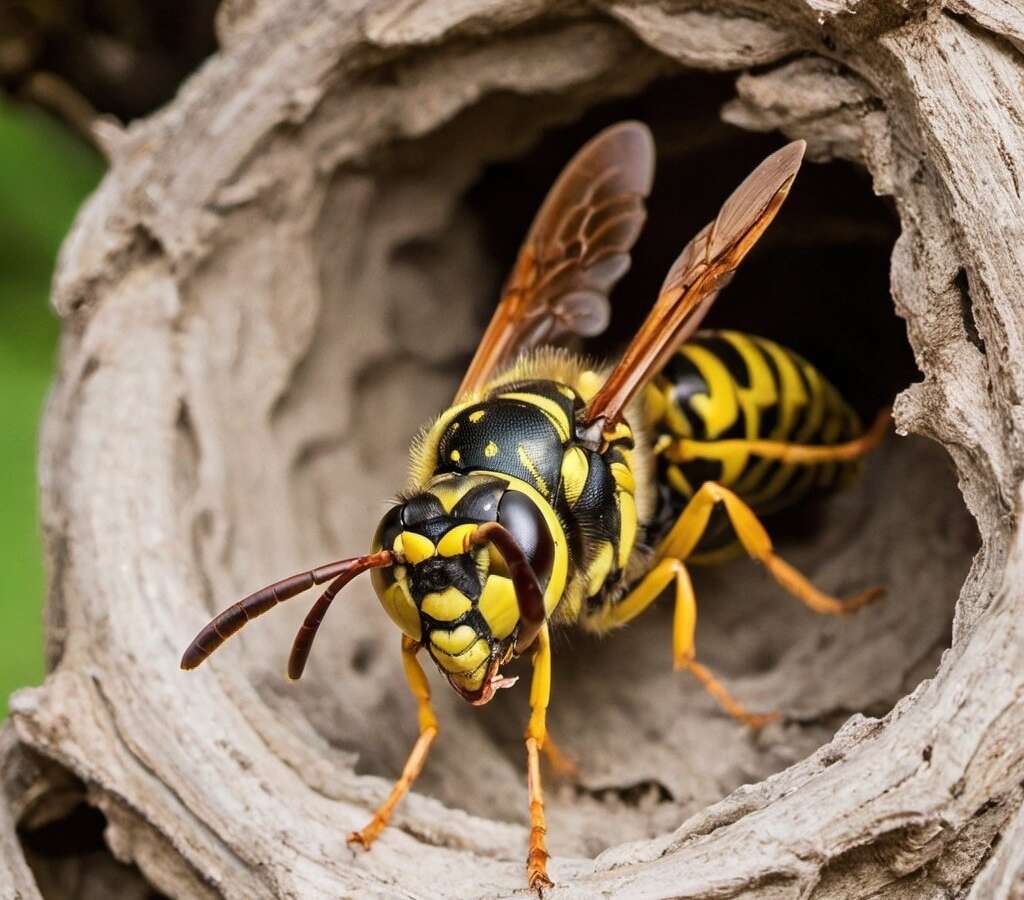
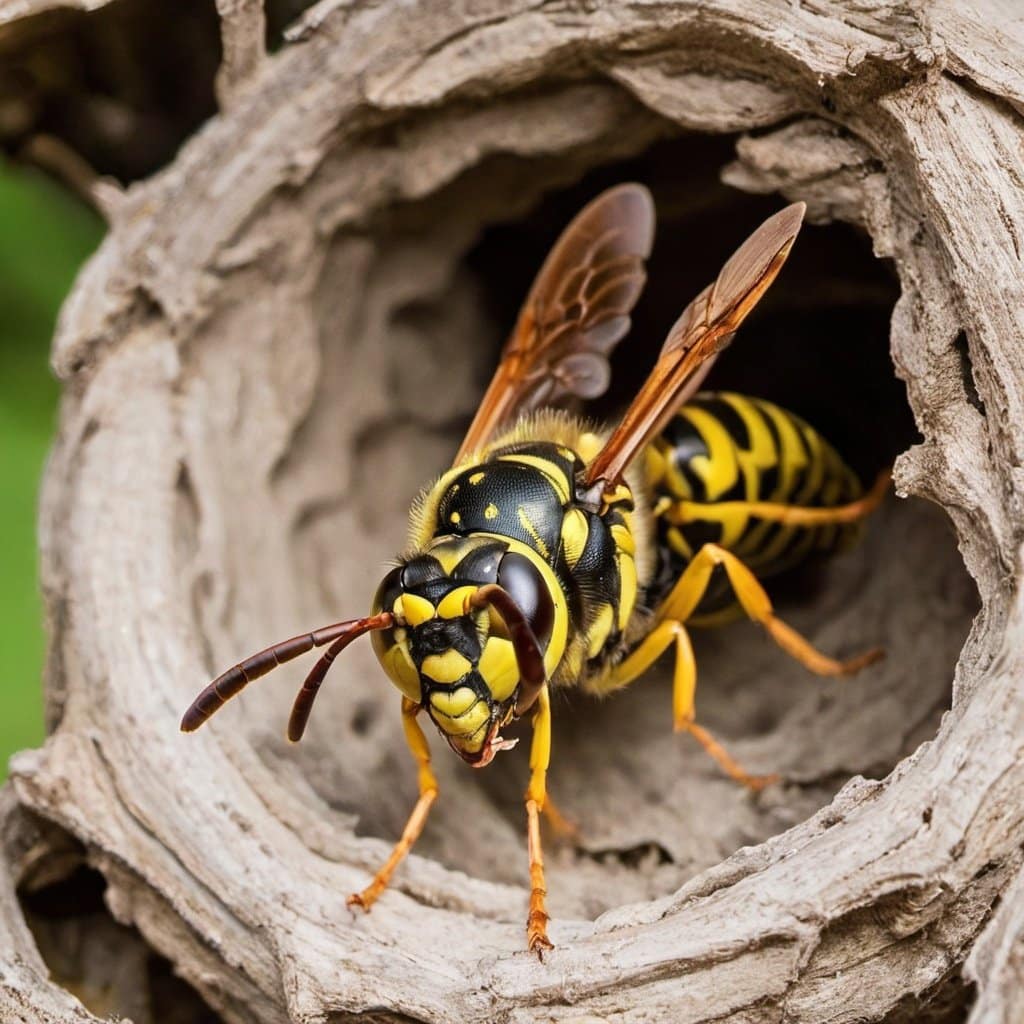
During late fall and early winter, most worker wasps die off as temperatures fall. However, fertilized queen wasps survive by finding protected areas to overwinter. These queens often seek shelter in attics, wall voids, sheds, and other undisturbed spaces. Once inside, they remain dormant until temperatures warm again in the spring.
According to the U.S. Environmental Protection Agency (EPA), integrated pest management focuses on prevention, exclusion, and monitoring — especially during seasonal transitions when pests look for shelter. Winter is an ideal time to seal cracks and gaps that may allow overwintering insects inside. You can learn more about preventative pest strategies here:
https://www.epa.gov/safepestcontrol
The Centers for Disease Control and Prevention (CDC) also emphasizes that stinging insects can pose health risks, particularly to individuals who are allergic to venom. Even a single sting can trigger a severe allergic reaction in sensitive individuals. More information about insect sting safety can be found here:
https://www.cdc.gov/niosh/topics/insects/beeswasphornets.html
Because overwintering queens can emerge and start new colonies in the spring, winter inspections from a trusted Broken Arrow Pest Control provider can prevent larger problems later.
You may occasionally see a wasp indoors during winter. This typically happens when a dormant queen becomes active due to fluctuating indoor temperatures. Warm attic spaces or sunny winter days can temporarily “wake up” overwintering wasps. While seeing one wasp in January may not mean a full infestation, it is often a sign that a queen has found shelter inside your home.
Common winter wasp warning signs include:
- A single wasp appearing indoors during cold months
- Buzzing sounds near attic spaces
- Small openings in soffits or siding
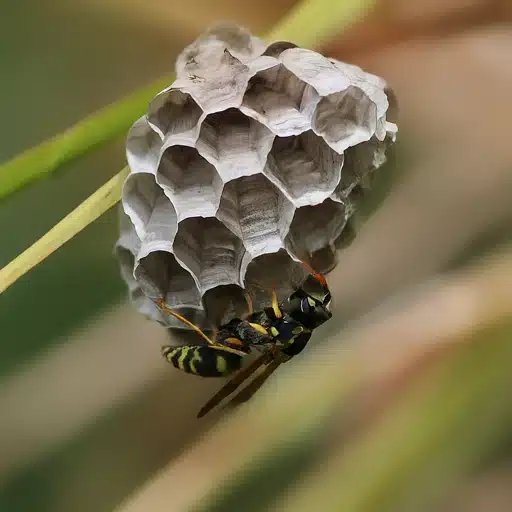
- Old, inactive nests attached to eaves
While old nests are not reused by most wasp species, their presence indicates that your home has previously been attractive to nesting wasps. A professional Broken Arrow Pest Control technician can assess vulnerable areas and recommend exclusion measures before spring arrives.
Winter is actually one of the best times to address wasp concerns. Without active swarms defending nests, treatment and removal can often be performed more safely. Additionally, preventative sealing of entry points reduces the likelihood that overwintering queens will establish new colonies once temperatures rise.
Homeowners can take several preventative steps during winter:
- Seal cracks around rooflines and siding
- Repair damaged soffits and fascia boards
- Keep attic vents screened and secure
- Remove old nests safely with professional guidance
- Schedule a winter inspection
Proactive measures reduce the chance of aggressive wasp activity in spring and summer.
For comprehensive pest management services, visit:
https://termmax.net/pest-control-services/
Year-round pest protection plans can help monitor seasonal changes and address potential problems before they escalate. Ongoing service from reliable Broken Arrow Pest Control professionals provides peace of mind no matter the season.
To learn more about complete pest protection options, visit:
https://termmax.net/
Wasps may seem like a summer problem, but winter plays an important role in their life cycle. Overwintering queens can quietly set the stage for spring infestations if left unchecked. By working with experienced Broken Arrow Pest Controlprofessionals during the colder months, you can prevent dangerous wasp colonies from forming and ensure your home remains safe and comfortable all year long.