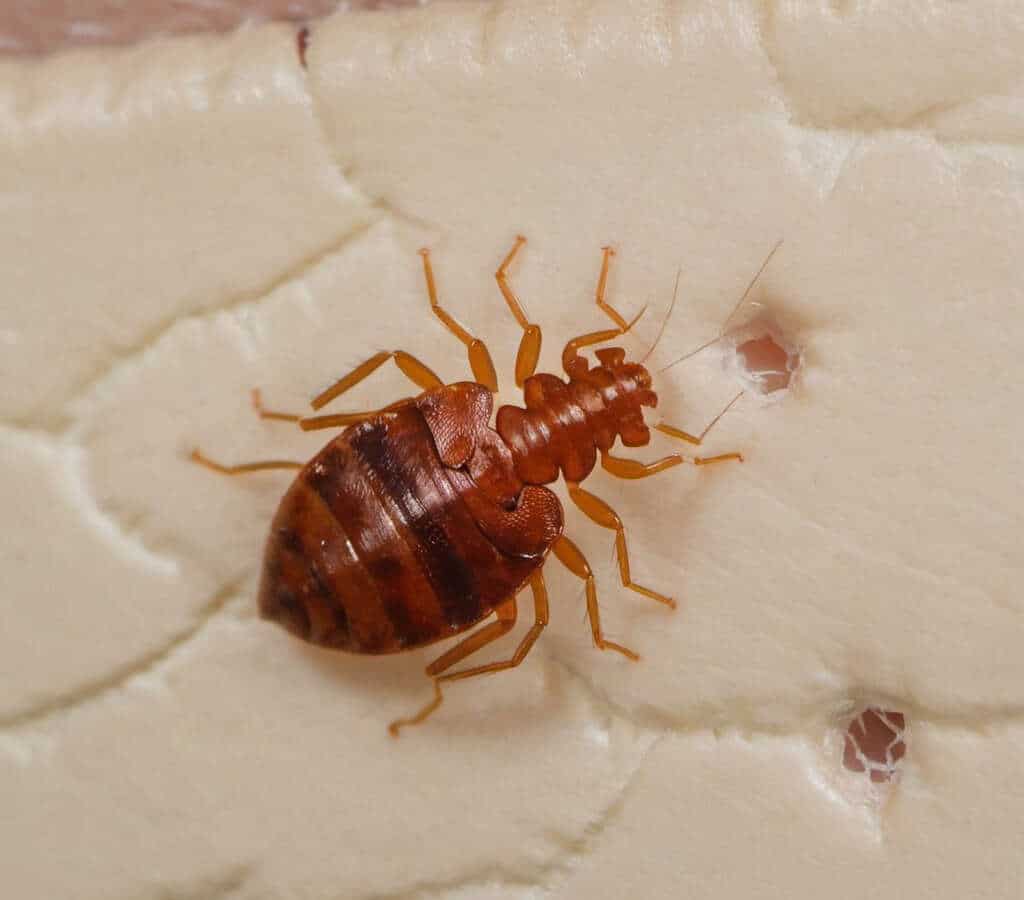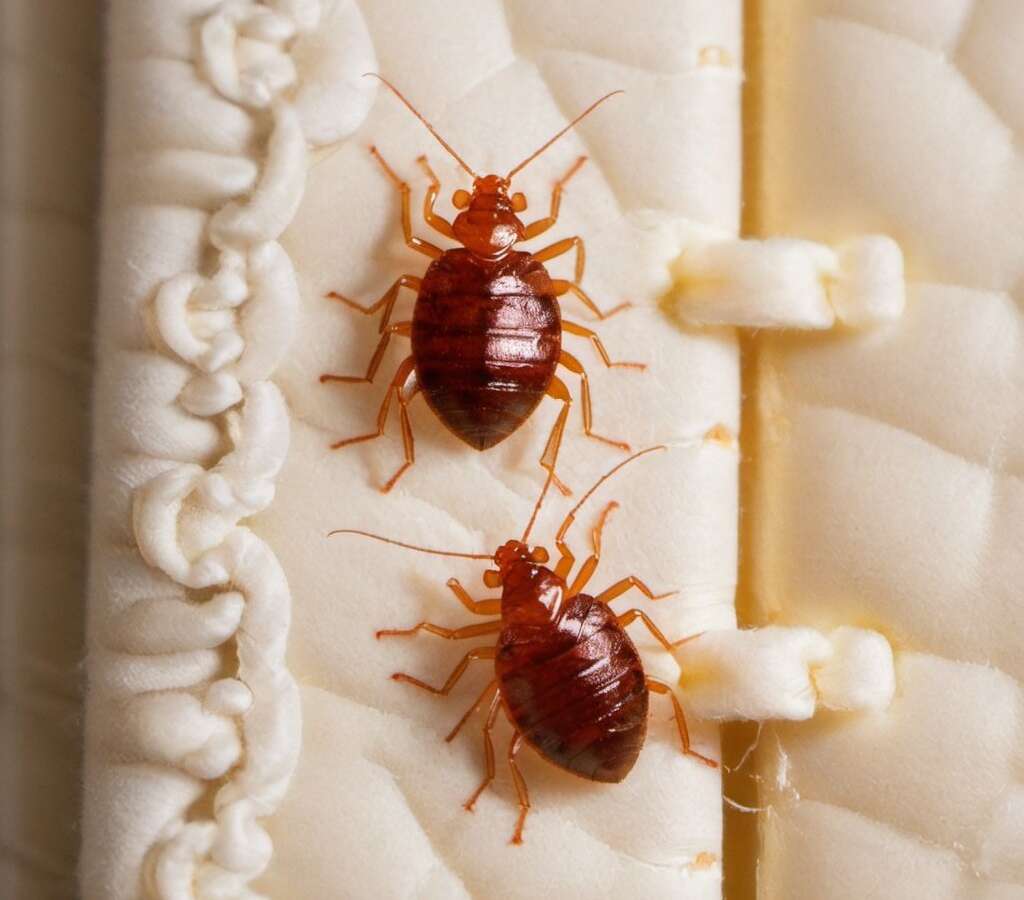

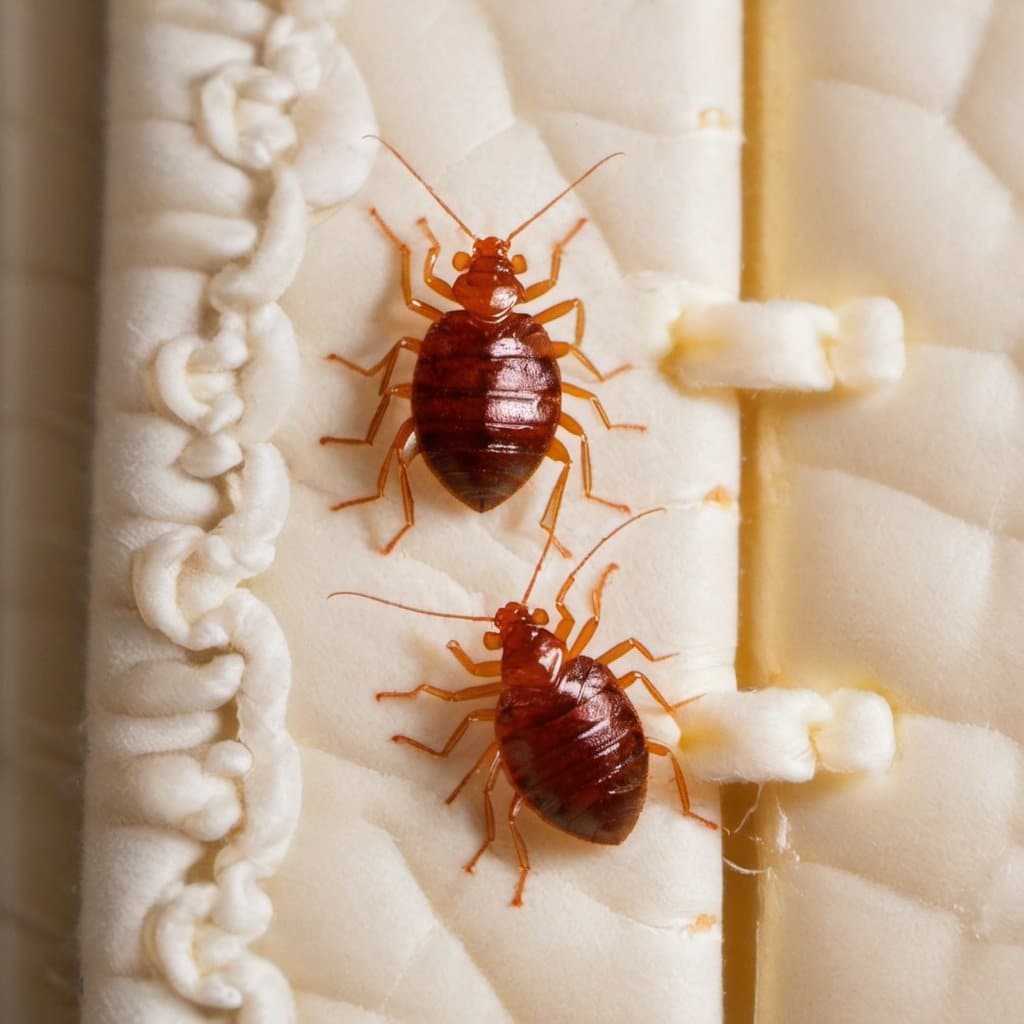

Bed bugs can be surprisingly difficult to eliminate because their behavior allows them to remain hidden while an infestation develops. A homeowner may treat a mattress, wash the bedding, and believe the problem is gone, only to discover activity again later. Effective control requires understanding where bed bugs hide, how they spread, and why follow-up is often an important part of a professional Tulsa Pest Control program.
Bed bugs are blood-feeding insects that usually remain close to places where people spend long periods resting. Beds are obvious locations, but infestations are not limited to mattresses. Bed bugs can hide in bed frames, headboards, nightstands, upholstered chairs, couches, baseboards, wall cracks, and many other protected spaces.
They are excellent hitchhikers. Travel is one common way people encounter bed bugs because the insects can enter luggage or personal belongings and be carried home. Used furniture and other transported items can also introduce them. Bed bugs can occur almost anywhere people live, work, stay, or travel.
Once inside a home, the insects can be difficult to notice at first. They are generally active when hosts are resting, and their flattened bodies allow them to fit into very small cracks. As the population increases, signs usually become easier to find.
Those signs can include live bed bugs, eggs, pale shed skins, dark fecal spotting, and blood stains on bedding. Some people develop itchy skin reactions after being bitten, while others may show little or no visible reaction. Because bites are not specific to bed bugs, identification should be based on physical evidence whenever possible.
The U.S. Environmental Protection Agency describes bed bug appearance and life cycle. Bed bugs develop from eggs into nymphs and then adults. Nymphs must feed as they develop through successive stages, and adult females can continue producing eggs when conditions and access to hosts allow.
The ability to hide is one reason do-it-yourself treatment can be frustrating. Treating only the mattress or the insects that are visible may leave bed bugs elsewhere in the room. A successful Tulsa Pest Control program needs to address the infestation as a whole.
Inspection is therefore one of the most important steps. A technician may examine mattress seams, box springs, frames, furniture joints, baseboards, and other likely harborages. The goal is to determine where activity is occurring and how far it has spread before selecting treatment methods.
Different situations can require different approaches. Professional programs may use carefully selected residual insecticides, dust formulations, steam, vacuuming, heat-based methods, encasements, and monitoring devices. Treatments should be selected for the particular environment and performed according to product labels and professional procedures.
Bed bug eggs and hidden insects make follow-up especially important. Even when a treatment kills many active bed bugs, continued inspection and monitoring may be needed to determine whether additional activity remains. The treatment schedule should be based on the products and methods being used rather than an arbitrary timetable.
Homeowners also play an important role. Clutter can create additional hiding places and make inspection more difficult. Reducing unnecessary clutter, while carefully containing potentially infested belongings, can improve access to treatment areas. Items should not simply be carried into other rooms because that can spread the infestation.
Washable and dryable belongings can often be processed using appropriate heat. Once items have been treated, keeping them in clean bags or containers can help prevent them from becoming infested again while the rest of the home is being treated.
Vacuuming can physically remove some bed bugs and eggs from accessible surfaces, but it is normally only one part of a broader program. The vacuum contents should be contained and disposed of carefully so captured insects do not escape.
Another mistake is assuming that sleeping somewhere else will starve the insects quickly. Bed bugs can survive substantial periods without feeding, and changing sleeping locations can encourage them to disperse while searching for a host. Follow the pest-control professional’s instructions instead of relocating without a plan.
Bed bug control can also be complicated in apartments, hotels, and other multi-unit buildings. When infestations are able to spread between neighboring spaces, inspection may need to extend beyond a single room or unit. Early reporting is particularly important in these environments.
Preventing introduction is not always possible, but there are ways to reduce risk. When traveling, inspect sleeping areas before unpacking, keep luggage organized, and examine belongings when returning home. Be cautious with secondhand mattresses, upholstered furniture, and other items that could contain hidden bed bugs.
Oklahoma State University Extension offers guidance on bed bug biology, identification, prevention, and control. Using reliable information is important because ineffective treatments can waste time while the infestation continues to develop.
If you suspect bed bugs, avoid relying only on bite patterns or assumptions. Capture a specimen if possible or have the area professionally inspected. Correct identification helps prevent unnecessary treatment for the wrong pest.
A professional Tulsa Pest Control company can evaluate the infestation, determine where bed bugs are hiding, and create a management plan using appropriate treatment and monitoring methods. The objective is not simply to kill the bed bugs that are visible today but to address the hidden population and verify that activity has been brought under control.
TermMax Pest Control can help if you are finding bed bugs or signs of bed bug activity in your Tulsa-area home. Contact TermMax Pest Control today for professional Tulsa Pest Control and a bed bug inspection designed to determine what is happening and what steps should come next.