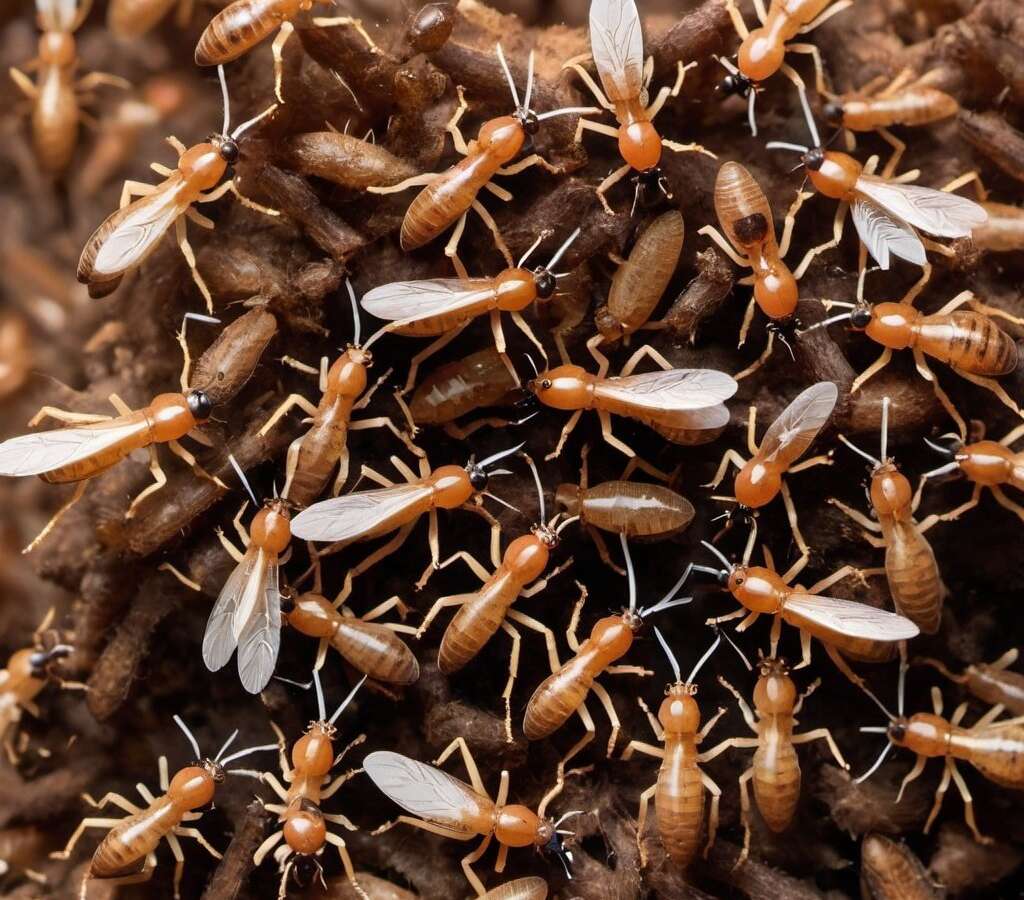

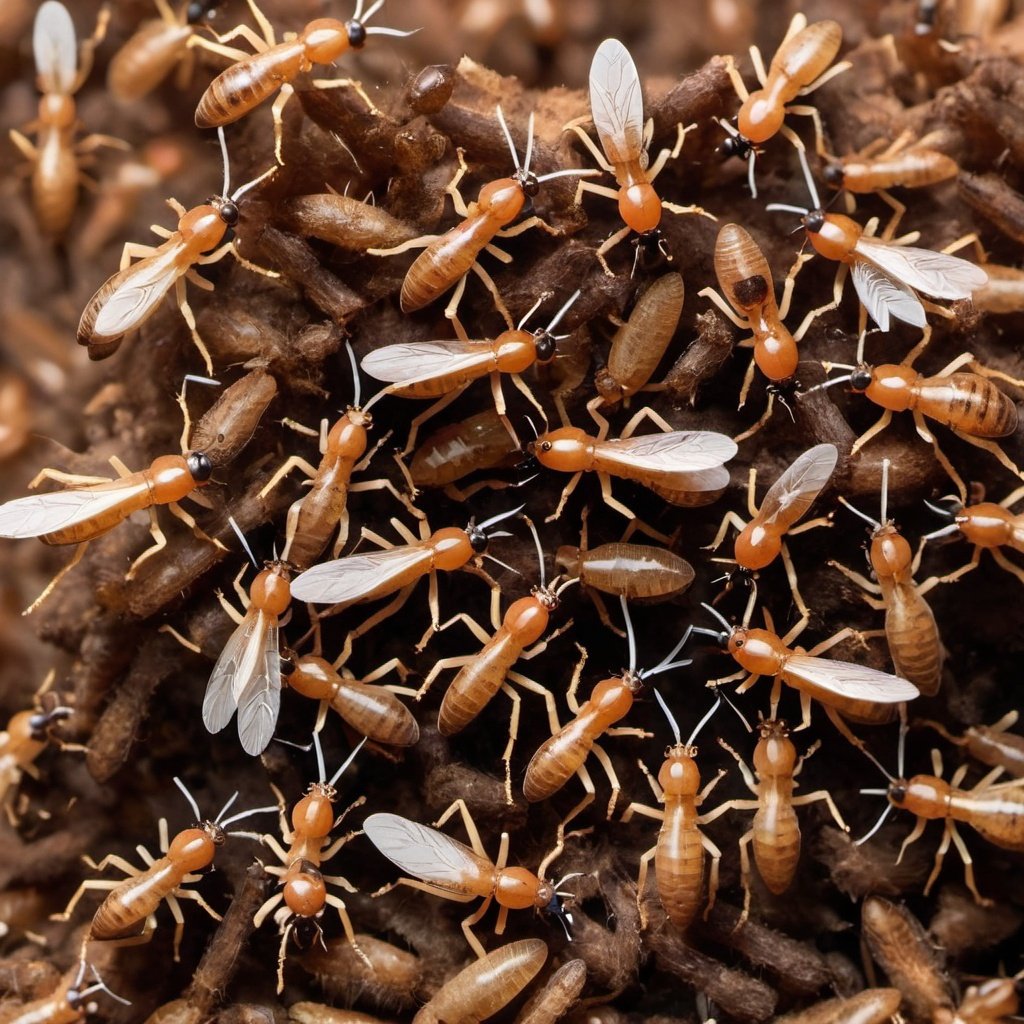

When it comes to pest control, understanding the factors that contribute to infestations is crucial. One important aspect is how soil covering the bottom of siding raises termite risk. This phenomenon is often overlooked, but it can have significant implications for homeowners. With Broken Arrow Pest Control, you can ensure your home is protected from these destructive pests.
Understanding Termite Behavior
Termites thrive in environments that provide moisture and food. When soil is in direct contact with the siding of your home, it creates a perfect habitat for these pests. The soil retains moisture, which attracts termites, and the siding provides a food source. This combination makes your home more vulnerable.
How Soil Affects Termite Infestation
Soil covering your siding can lead to several issues:
- Increased moisture retention
- Direct access to the wood framing
- Concealed entry points for termites
With these conditions present, it is imperative to take action. Homeowners should regularly inspect their homes for signs of termite activity. Look for mud tubes, discarded wings, or hollow-sounding wood.
Preventing Termite Infestations
To reduce the risk of termite infestations, consider the following:
- Maintain a gap between the soil and siding.
- Use stone or gravel as a barrier.
- Regularly inspect your property for moisture issues.
By following these steps, you can mitigate the risks associated with soil covering the bottom of siding. For even more effective pest control strategies, consult professionals like Broken Arrow Pest Control.
For additional resources on termites, visit Purdue University Extension or University of Minnesota Extension. These sites offer valuable information on identifying and managing termite issues.
If you suspect termites in your home, don’t wait until it’s too late. Protect your investment with expert services from Termmax and ensure peace of mind. Contact Broken Arrow Pest Control today for a thorough inspection and tailored pest control solutions.