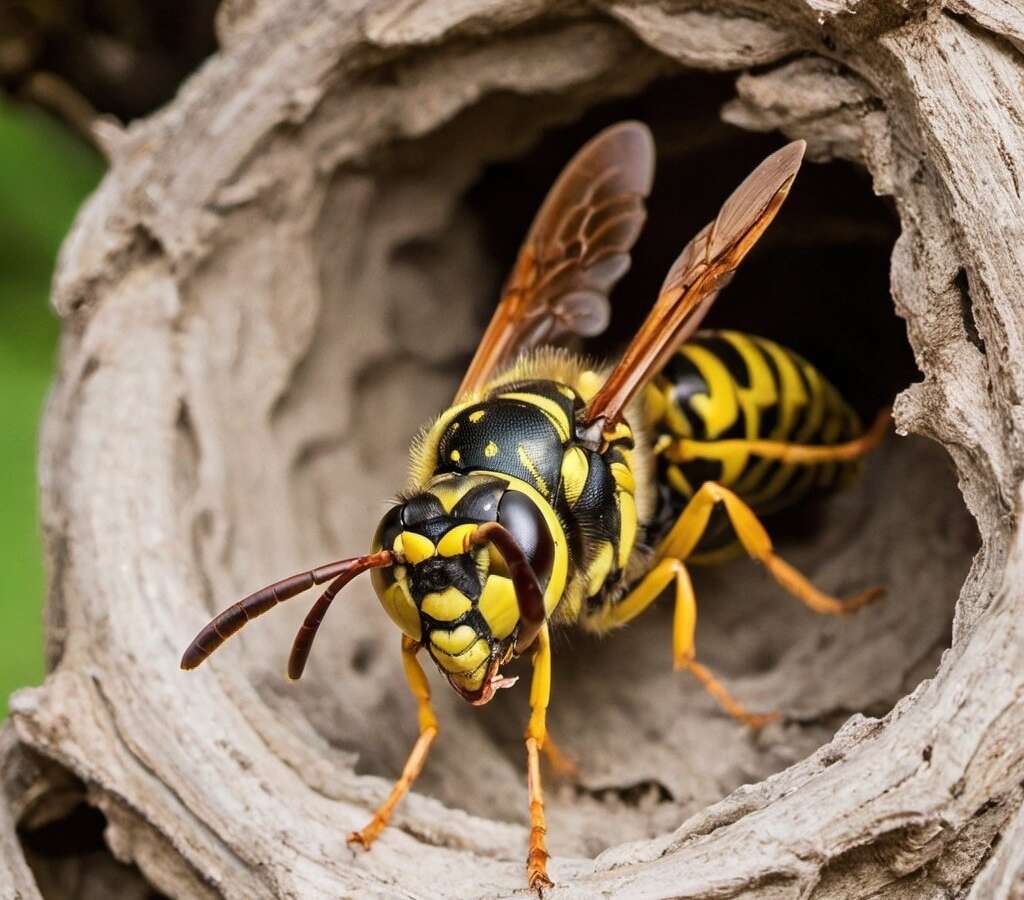

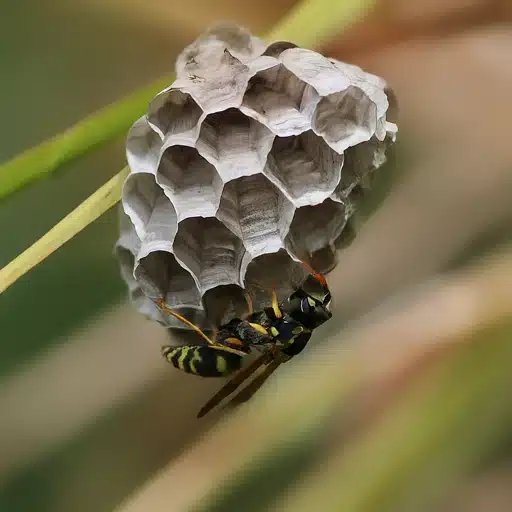

Understanding Stinging Insects
Stinging insects can be a significant problem for homeowners. This is especially true in areas serviced by a Broken Arrow Exterminator. These pests often invade yards and homes, creating discomfort and safety concerns. Knowing how these insects behave can help in managing their presence effectively.
Why Stinging Insects Are Attracted to Your Home
Several factors attract stinging insects to residential areas. Here are some common reasons:
- Food sources like sugary substances
- Flowers and plants in gardens
- Trash cans that are not securely closed
Understanding these factors can help reduce infestations. A Broken Arrow Exterminator can provide advice on minimizing these attractants.
Common Types of Stinging Insects
Stinging insects come in various forms. Here are some common types:
- Wasps
- Bees
- Yellowjackets
Each type has unique behaviors and nesting habits. For instance, wasps tend to build nests in high, protected areas, while bees often nest in the ground or hollow trees. Knowing the type can guide a Broken Arrow Exterminator in choosing the right control method.
How to Handle Stinging Insect Infestations
Dealing with stinging insects requires caution. Here are some effective strategies:
- Identify the type of insect
- Locate their nests carefully
- Consider professional extermination
Attempting to remove nests without help can be dangerous. It is always best to consult with a Broken Arrow Exterminator for safe removal.
In conclusion, stinging insects can pose serious risks to your home and family. Understanding their behavior helps in creating effective management strategies. If you face an infestation, contact a Broken Arrow Exterminator today for professional assistance. Visit Termmax for more information on pest control services.
To learn more about pest management, check out educational resources at Purdue University and University of Florida.