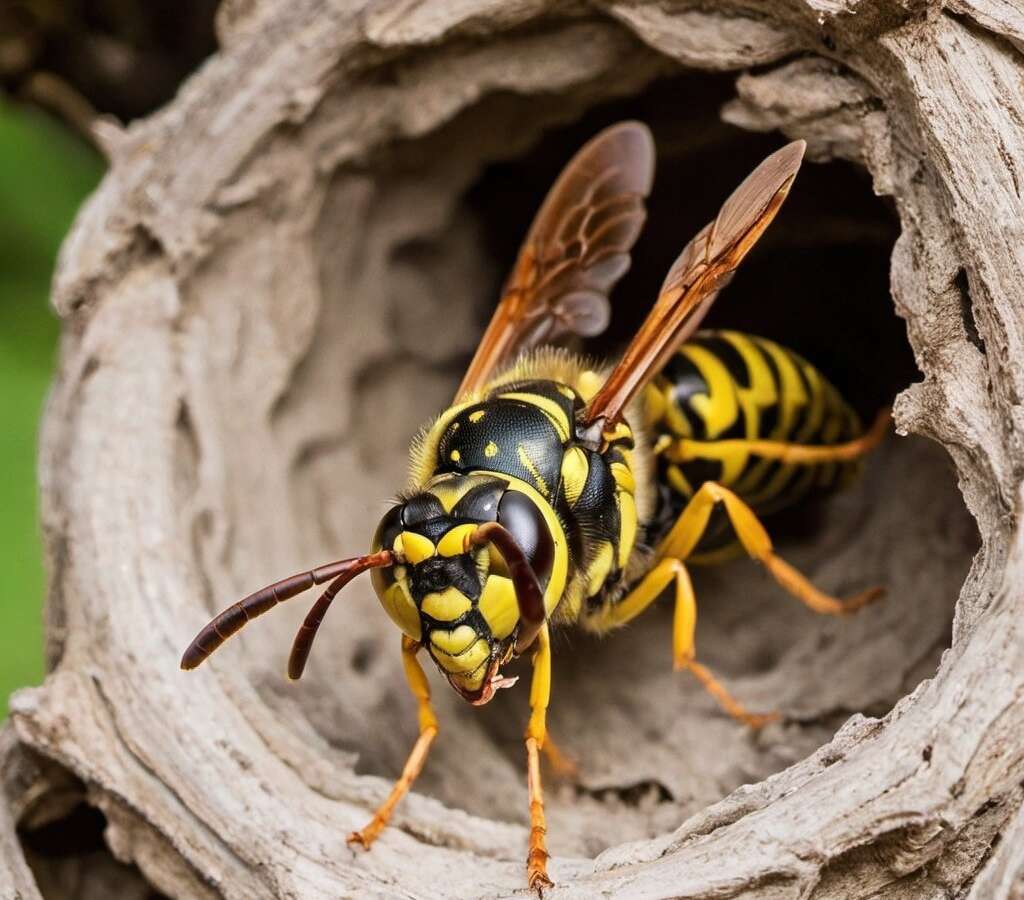


When the nights start getting cold in Broken Arrow, a lot of people are surprised to find a wasp inside the house. They think of wasps as a summer problem on the porch or in the yard, and then one shows up on a window in the middle of winter.
Wasps are a year-round problem. These insects can get into our homes during the winter, and they can be a big nuisance in our yards and on our porches during the summer months. They generally keep to themselves and don’t bother anything, but if you get close to their nests, they can become a real issue. That’s why it’s important to take care of wasps and keep them away from your loved ones.
Why You Might See One Indoors
Once it cools off, wasps look for a protected place. A small gap around a window, a vent, a garage door, or an attic opening can be enough for one to end up inside. You may only see a single wasp at first. That doesn’t always mean there’s a nest in the wall, but it does mean there’s a way in.
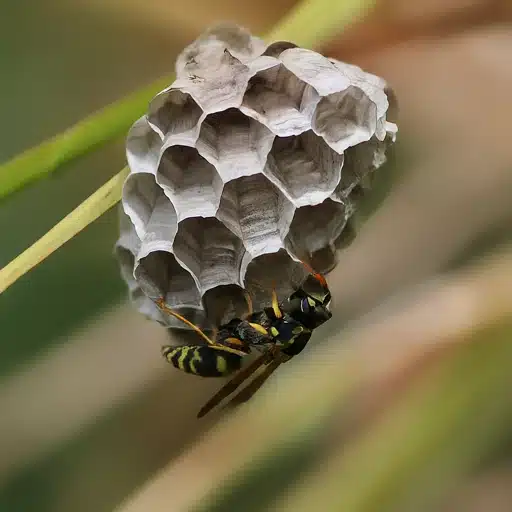
Wasps come in two categories: social wasps and solitary wasps. Paper wasps are a good example of social wasps. They build nests with many cells, and each nest holds multiple eggs, one egg per cell. Solitary wasps, like mud daubers, make single-cell nests with just one egg. The female uses her stinger to paralyze a spider or grub, carries it into the cell, lays an egg on top of it, and seals the cell. When the larva hatches, it eats the paralyzed insect and then emerges as an adult.
Don’t Assume an Indoor Wasp Is Harmless
A wasp on a window in January may just be looking for a way back out. Give it room. Social wasps defend their nests aggressively. They sting prolifically, and there’s no limit to how many times they can sting. If you get too close to a social wasp nest, expect them to come after you. That’s why I don’t want people climbing around in an attic or a wall after indoor wasps without knowing what they’re dealing with.
The NYC Health page on wasps is a good government resource on wasps around homes and why you shouldn’t approach a nest. The U.S. Forest Service’s page on wasp pollination is another official look at these insects.
They Aren’t All Looking for a Fight
Wasps aren’t all bad. When they aren’t feeding their young, wasps feed on nectar from blossoms, which makes them pollinators. A wasp working its way through your yard looking for nectar isn’t going to pick a fight with you. It’s the ones defending a nest that you need to watch out for.
If Someone Gets Stung
If you’re allergic to wasp stings, or know you have an allergy, contact a medical professional immediately. A wasp sting can be life-threatening for someone with an allergy. If you’re not allergic, clean the wound, remove any stinger, and put a bandage on it. It should heal over the next few days.
When to Call for Help
If wasps keep showing up indoors, or you think there may be a nest in a wall, an attic, or around an entry point, that’s where a Broken Arrow exterminator can help. We can look at how they’re getting in and how to keep them away from your family.
If you’re seeing wasps inside your Broken Arrow home, give us a call. We’ll take a look and tell you straight what we find.