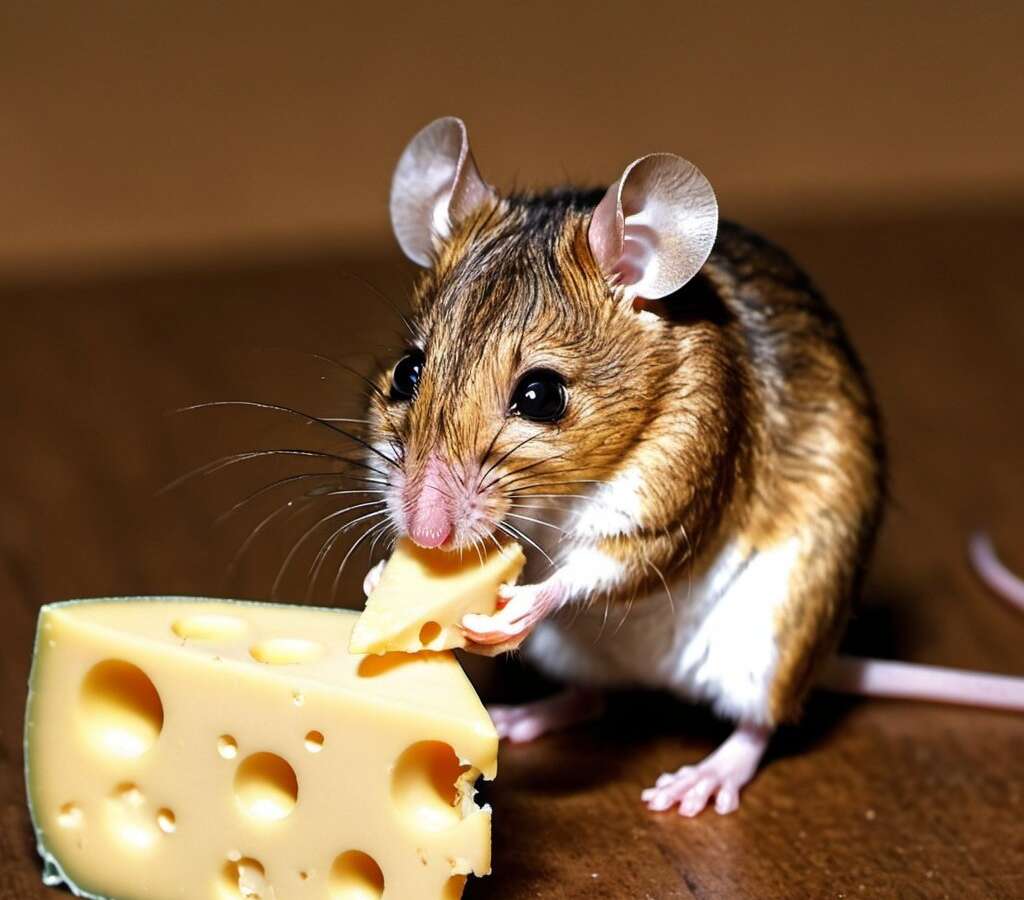


Rodents can turn a quiet home into a stressful place very quickly. A scratching sound in the wall, droppings in a cabinet, or chewed food packaging may be the first clue that mice or rats have moved inside. In Broken Arrow, homes offer rodents exactly what they need: shelter, food, water, and protection from weather and predators. Once rodents find a reliable place to live, they can remain hidden while causing contamination and property damage. A Broken Arrow Exterminator can inspect the structure, identify likely entry points, and build a control plan around the conditions actually present.
Mice and rats are mammals, not insects, and their behavior is different from many other household pests. They are intelligent, cautious, adaptable animals with strong senses of smell, hearing, and touch. Rodents often travel along walls, behind stored items, beneath cabinets, and through other protected routes instead of crossing open areas. Understanding those travel patterns helps explain why traps or monitoring devices work better when they are placed where rodents naturally move.
The house mouse is one of the most common rodents found inside structures. Mice are small enough to use openings that homeowners may overlook. Gaps around utility lines, damaged door sweeps, garage-door corners, foundation openings, and spaces around pipes can provide access. Once inside, mice can nest in wall voids, cabinets, storage areas, insulation, garages, and other protected places close to food and shelter.
Rats create a different challenge because they are larger and often more cautious around new objects. In Oklahoma, roof rats and Norway rats can occur depending on the setting. Norway rats are commonly associated with ground-level burrows, foundations, sewers, and lower portions of structures, while roof rats are strong climbers and may use trees, fences, utility lines, attics, and elevated routes. Correctly identifying the rodent helps determine where inspection and control should be concentrated.
Rodents reproduce rapidly when conditions are favorable. A small problem can therefore become more difficult if it is ignored. Nesting material, reliable food, and protected harborages help support a growing population. Seeing one mouse does not automatically tell you how many are present, and rodents are often most active when the home is quiet. Droppings, gnaw marks, rub marks, tracks, nesting material, and sounds can provide additional evidence.
Food is a major reason rodents remain inside. Open bags of pet food, bird seed, pantry products, crumbs, garbage, and food stored in thin packaging can all become resources. Rodents can chew through cardboard, paper, and some plastic packaging. Moving vulnerable foods into sturdy containers and cleaning spilled material reduces what is available. Sanitation alone may not eliminate an established infestation, but it removes resources that make the structure more attractive.
Water matters too. Leaking pipes, condensation, pet bowls, appliance drip pans, and other moisture sources can support rodents. Mice can survive with limited free water when their food provides moisture, but reducing accessible water is still part of good pest management. Fixing plumbing leaks and correcting moisture problems also improves the building for reasons beyond rodent control.
Gnawing is one of the behaviors that makes rodents destructive. Their front incisors continue growing, so rodents regularly gnaw on materials. Damage may occur to food containers, wood, insulation, plastic, and sometimes electrical wiring. Any suspected damage to wiring or building systems should be evaluated by an appropriate qualified professional. Pest control addresses the animals and entry conditions, while electrical or structural repairs may require another trade.
The CDC provides guidance on rodent control and reducing health risks around homes. Rodents can also contaminate areas with urine, droppings, hair, and material carried on their bodies. Food or food-contact surfaces that have been contaminated should be handled appropriately. Dry sweeping or vacuuming rodent droppings can put contaminated particles into the air. The CDC recommends specific wet-cleaning and disinfection procedures for rodent-contaminated areas rather than disturbing dry waste.
Oklahoma State University Extension explains house-mouse biology, exclusion, sanitation, and control methods. Exclusion is one of the most important parts of long-term rodent control. Killing or trapping rodents without addressing entry points can leave the building open to the next animals outside. A thorough inspection looks at doors, garage doors, rooflines, vents, utility penetrations, foundation gaps, crawl-space openings, and other possible routes. Small openings deserve attention because mice can enter through surprisingly tight spaces.
The material used for exclusion matters. Rodents can chew through some foams, plastics, and soft materials. Durable repairs may require metal, hardware cloth, appropriate sealants, door sweeps, flashing, or other construction materials suited to the opening. The repair should also avoid creating drainage, ventilation, fire-safety, or building-code problems. The goal is to close a rodent route without creating a different problem.
Trapping is a useful tool for indoor rodent control. Snap traps, enclosed traps, and other devices can be selected based on the species, setting, and safety needs of the property. Placement is critical. A trap in the middle of a room may be less useful than one positioned along an active travel route. Rodents tend to move with their bodies close to walls or objects, so monitoring signs should guide placement.
Baiting may also be used in some rodent programs, but rodenticides require careful handling. Product labels must be followed, and risks to children, pets, wildlife, and non-target animals have to be considered. Bait should not be scattered casually around a property. Professional programs use products and placement methods appropriate to the site and label, while also considering whether trapping, exclusion, sanitation, or habitat changes are better tools for a particular location.
The exterior of the home deserves attention as well. Overgrown vegetation, stacked materials, spilled bird seed, unsecured trash, and clutter near the foundation can provide food or shelter. Tree limbs touching or overhanging a roof may provide access for climbing rodents. Keeping the area around the structure orderly makes inspection easier and can reduce some of the conditions rodents use.
Garages are common entry areas. The corners of a garage door can leave gaps even when the door appears closed, and stored pet food or seed gives rodents a reason to stay. Inspect the bottom seal, side seals, and corners while the door is closed. Look behind stored items for droppings or gnawing. Moving food into rodent-resistant containers and reducing clutter can make the garage less favorable.
Rodent control works best when it is treated as a system. Inspection tells you which species is likely present and where it is traveling. Sanitation reduces food and shelter. Exclusion closes routes into the structure. Traps or other control tools address animals already inside. Monitoring confirms whether activity is continuing. Each part supports the others, and skipping one can make the overall program less effective.
If you suspect rodents in your home, avoid waiting for the problem to become obvious in several rooms. Early signs are worth investigating. TermMax Pest Control can inspect likely entry points, look for evidence of activity, and explain the options that fit your property. A Broken Arrow Exterminator can help separate an occasional outside visitor from an established indoor problem and focus control where it will matter most.
The objective is not simply to remove the mouse or rat you happened to see. Long-term control means understanding why the rodent entered, what it is using inside, and how to prevent continued access. If you are hearing scratching, finding droppings, discovering damaged food packages, or seeing other rodent signs, contact TermMax Pest Control. A Broken Arrow Exterminator can help you build a practical plan for control and prevention.
Follow-up is also important after the first service. Rodent activity can change as animals are removed and entry points are corrected. Keeping notes about fresh droppings, sounds, sightings, or trap activity helps show where pressure remains. Homeowners should avoid moving monitoring devices without a reason, because consistent placement makes changes easier to evaluate. A Broken Arrow Exterminator can use that information during follow-up to decide whether additional exclusion, sanitation, trapping, or monitoring is appropriate. The goal is steady reduction of activity followed by prevention, not simply a temporary period without a sighting. Careful inspection and consistent follow-up help keep rodent control focused on the conditions that matter most around the home and property over time for lasting prevention results.
Consistent monitoring after treatment helps confirm whether fresh rodent activity is declining. Homeowners can watch for new droppings, gnaw marks, noises, sightings, or trap activity while keeping food secured and repaired openings intact. Exterior conditions should