

As temperatures begin to rise in early spring, bee activity increases throughout neighborhoods and surrounding green spaces. Warmer weather signals the start of foraging season, and you may notice bees hovering around flowers, eaves, sheds, or even inside wall voids. While bees play an important role in pollination, nesting too close to your home can create safety concerns. If you’re seeing increased bee activity around your property, a professional Broken Arrow Exterminator can assess the situation and recommend the appropriate solution.
In the spring, honeybees and other species emerge from winter survival mode. Honeybee colonies remain active year-round but become much more visible as flowers bloom. Carpenter bees also become active in spring, drilling small holes into wood to create nesting galleries. These round entry holes are often found in decks, fences, fascia boards, and porch ceilings.
According to the U.S. Environmental Protection Agency (EPA), pollinators such as honeybees are critical to agriculture and the ecosystem. Because of their importance, careful consideration should be taken before treating or disturbing a colony. Integrated pest management strategies focus on identifying the species and determining the safest course of action. You can learn more about pollinator protection here:
https://www.epa.gov/pollinator-protection
The Centers for Disease Control and Prevention (CDC) also notes that bee stings can cause allergic reactions in some individuals. While most stings result in mild swelling and discomfort, severe allergic responses may require immediate medical attention. More information about insect sting safety can be found here:
https://www.cdc.gov/niosh/topics/insects/default.html
Because bee species vary in behavior and risk, contacting a qualified Broken Arrow Exterminator is essential before taking action.
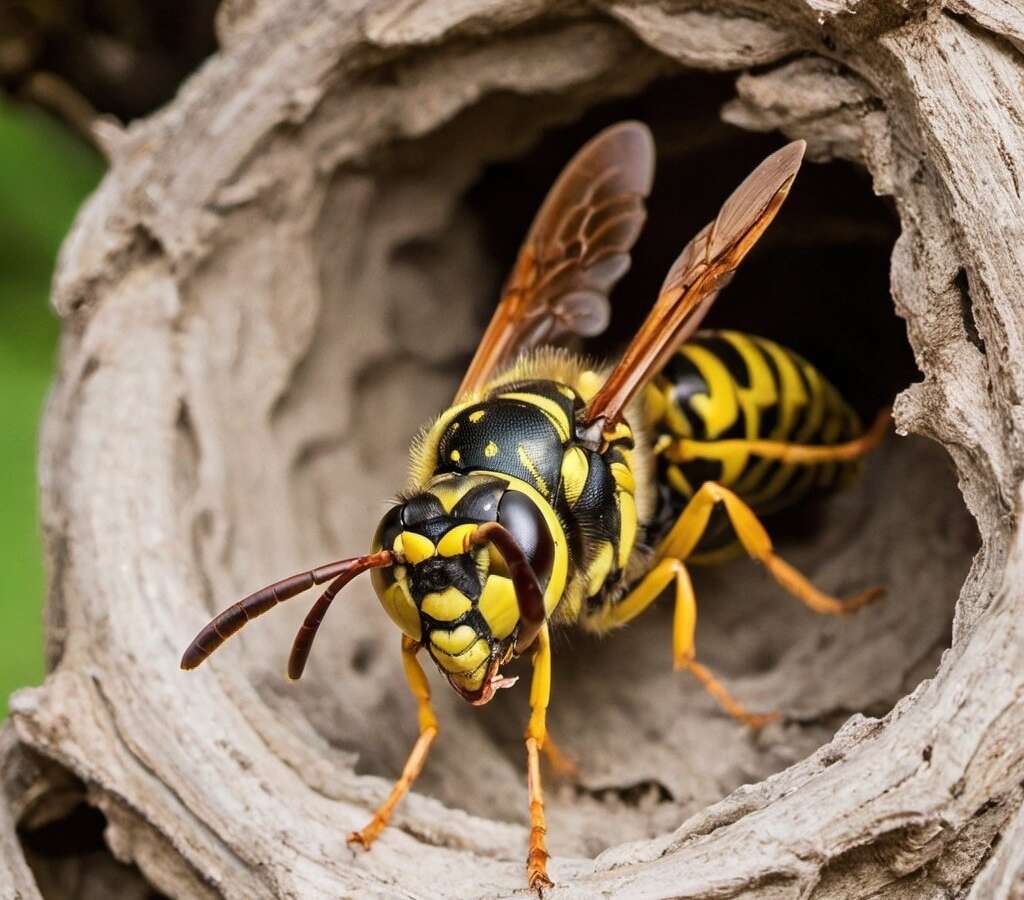
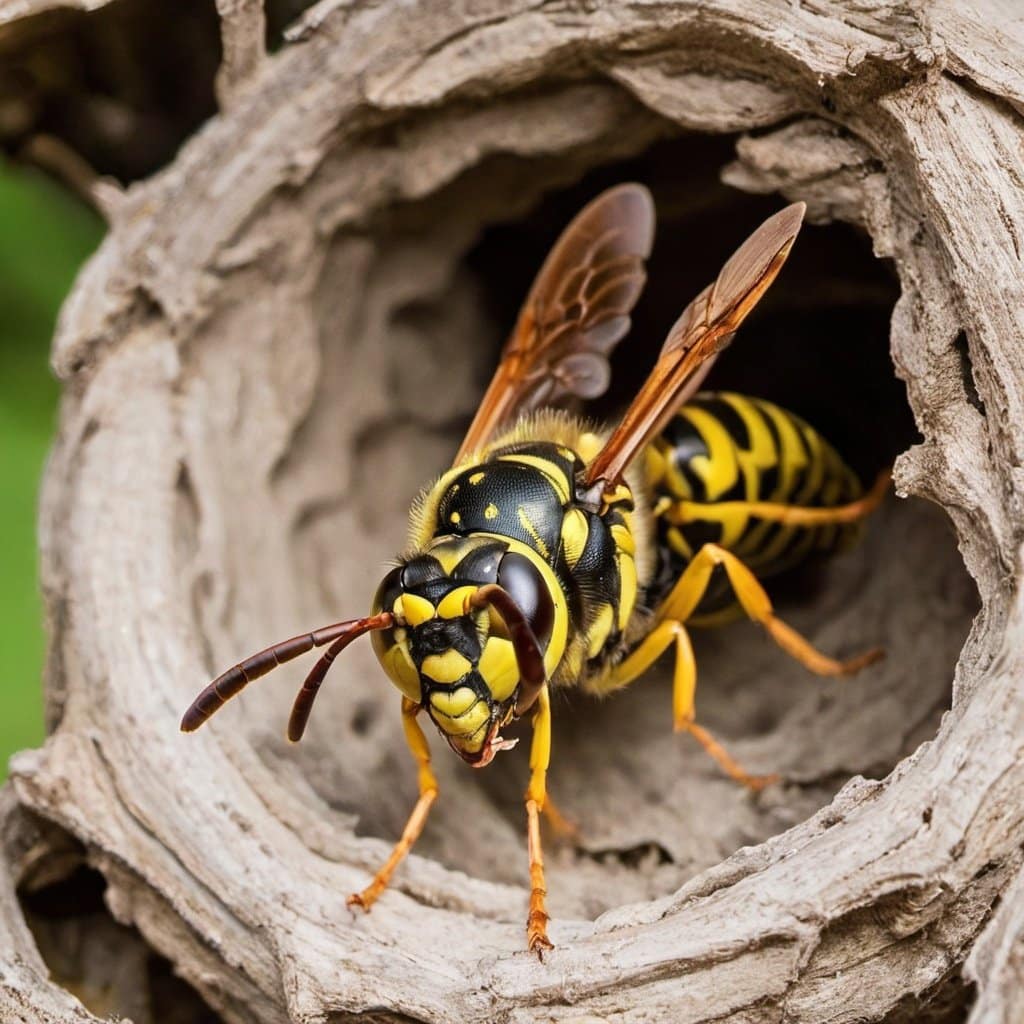
It’s important to distinguish between bees and wasps in the spring. Bees are typically fuzzier and more focused on flowers, while wasps are smoother and often more aggressive. Honeybees are generally not aggressive unless their hive is threatened. Carpenter bees may appear intimidating but rarely sting; however, their drilling can cause cosmetic and structural damage over time.
Common signs of spring bee activity include:
- Increased bee traffic near rooflines or siding
- Round holes in wooden surfaces (carpenter bees)
- Buzzing sounds inside walls
- Swarming activity in trees or shrubs
Swarming is a natural process where a honeybee colony divides to form a new hive. Swarms often gather temporarily on tree branches or structures before relocating. While swarms look alarming, they are usually less aggressive during this transitional period. A trained Broken Arrow Exterminator can determine whether relocation, exclusion, or treatment is appropriate.
For carpenter bees, prevention is key. Painting or sealing exposed wood reduces attraction. Filling old drill holes and maintaining exterior wood surfaces can discourage nesting.
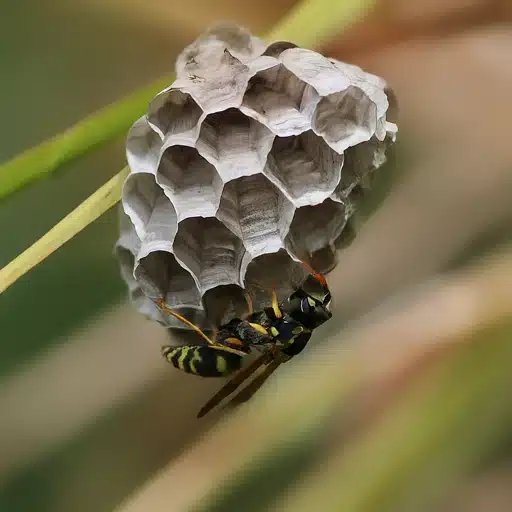
When bee colonies establish themselves inside walls or attics, professional intervention is critical. Attempting DIY removal can increase the risk of stings and may lead to structural damage if honeycomb is left behind.
For comprehensive pest and wildlife management services, visit:
https://termmax.net/pest-control-services/
Ongoing maintenance plans can help detect seasonal pest activity early and prevent larger issues from developing.
To learn more about complete pest protection options, visit:
https://termmax.net/
Spring bees are a natural and important part of Oklahoma’s ecosystem, but when they nest too close to your home, safety becomes a priority. Working with an experienced Broken Arrow Exterminator ensures proper identification and responsible management. If you’re seeing increased bee activity this spring, professional guidance can protect your family while respecting the important role pollinators play.