

Understanding Termite Anatomy: Insights from Broken Arrow Exterminator
Termites are often called the “silent destroyers” because they can cause extensive damage to wooden structures before homeowners even realize there’s a problem. To effectively combat these pests, it’s essential to understand their biology, particularly their anatomy. Knowing how termites are built helps pest control professionals, like those at Broken Arrow Exterminator, develop targeted strategies to eliminate infestations and protect your property.
The Basic Anatomy of a Termite
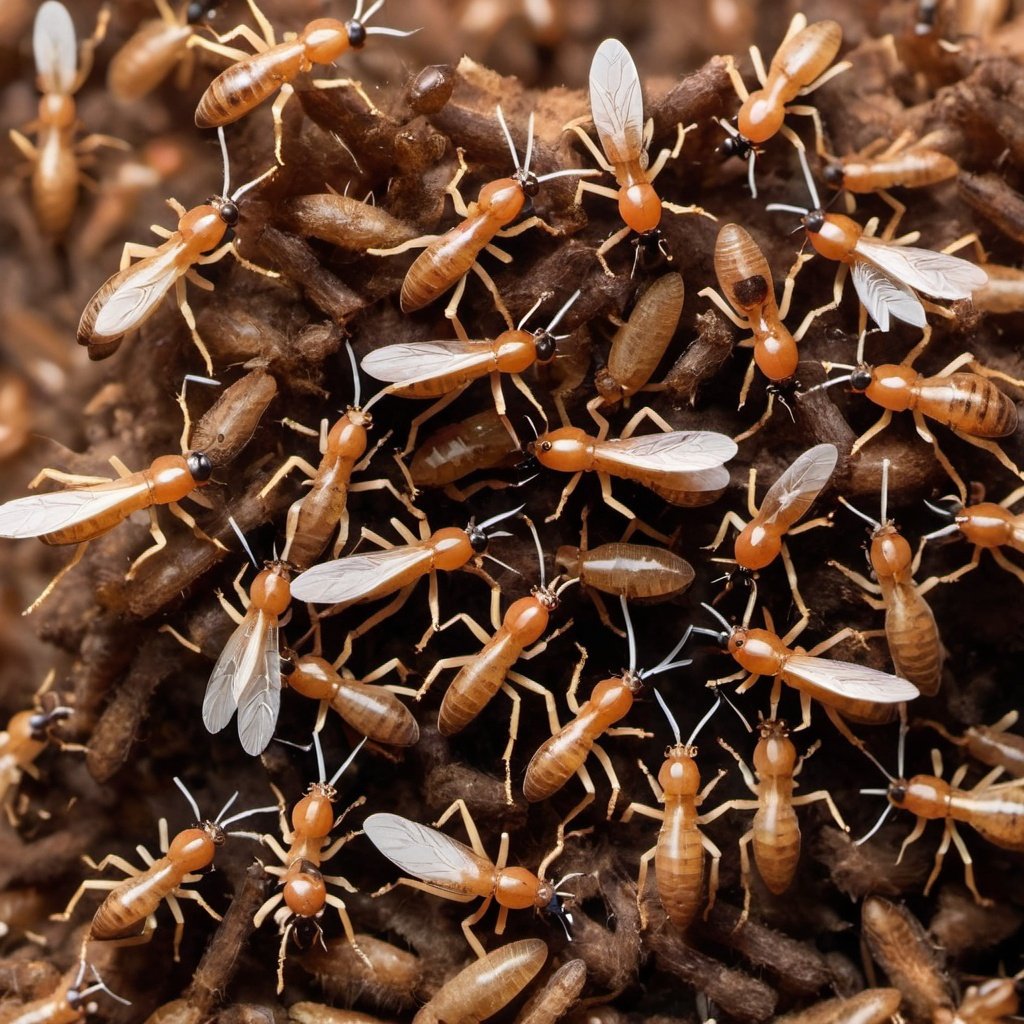
Termites are social insects belonging to the order Isoptera. Their bodies are divided into three main segments: the head, thorax, and abdomen. Each part plays a vital role in their survival and colony function.
1. Head
The termite’s head is equipped with several essential features:
- Mandibles: Strong, chewing mouthparts that termites use to consume cellulose-based materials like wood, paper, and cardboard.
- Antennae: Sensitive sensory organs that help termites navigate their environment, detect food sources, and communicate within the colony.
- Eyes: Most subterranean and worker termites are blind or have very limited eyesight, relying instead on their antennae and other senses.
- Cerci and Grasping Appendages: Some species have small appendages near the mouth used for grooming or handling food.
2. Thorax
The middle segment of a termite’s body connects the head to the abdomen and bears the legs and, in some castes, wings:
- Legs: Six jointed legs enable termites to crawl efficiently through soil, wood, and other materials.
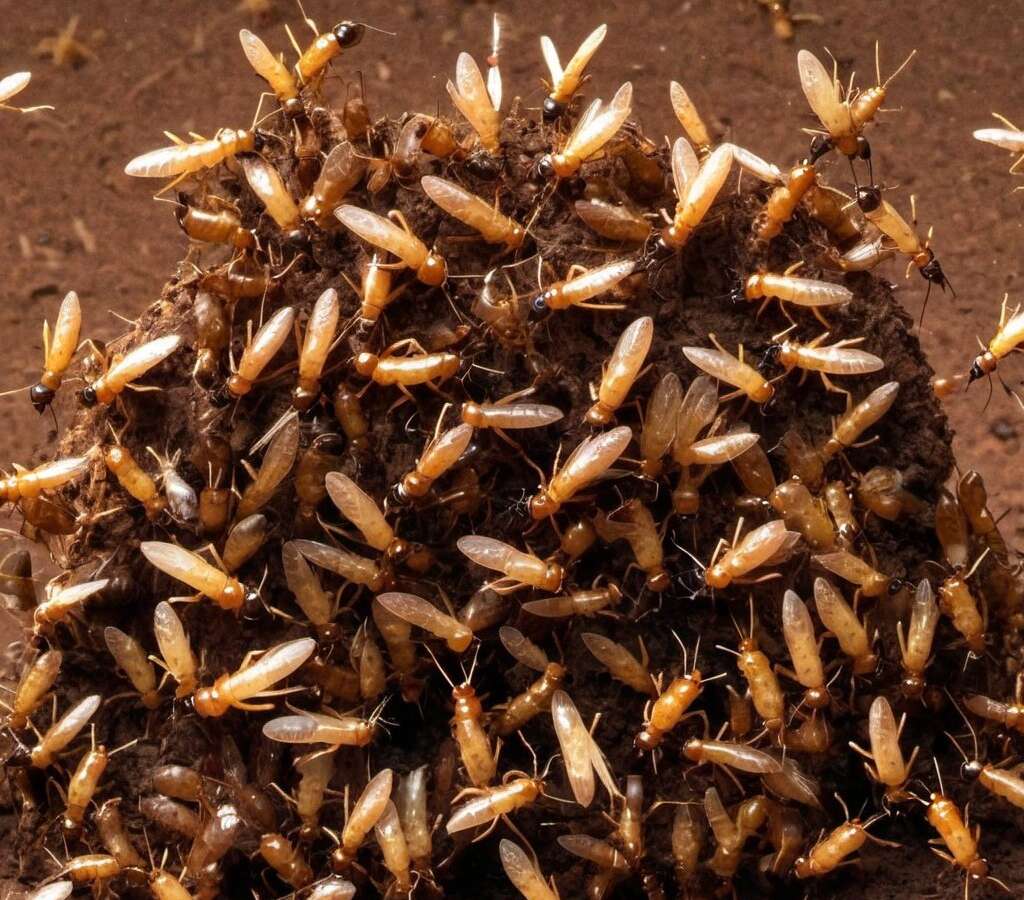
- Wings: Reproductive termites, or alates, develop wings from the thorax during swarming season. These wings are usually equal in length and are shed after mating.
3. Abdomen
The largest part of a termite’s body, the abdomen contains vital organs:
- Digestive System: Specialized for breaking down cellulose, the primary component of wood. The midgut houses symbiotic microorganisms that aid in digestion.
- Reproductive Organs: In king and queen termites, the abdomen is enlarged to accommodate reproductive tissues.
- Excretory and Nervous Systems: Support the termite’s bodily functions and coordination.
Unique Features of Termite Anatomy
One fascinating aspect of termite anatomy is their symbiotic gut microbiome, which allows them to digest cellulose efficiently. This mutualistic relationship is crucial for their survival and destructive capacity.
Additionally, the cuticle, or exoskeleton, provides structural support and protection. In certain castes, such as soldiers, the exoskeleton may be thicker or more hardened to serve defensive purposes.
The Role of Anatomy in Pest Control
Understanding termite anatomy is vital for effective extermination. For instance, knowing that reproductive termites (alates) have wings helps professionals target swarming events, which are often the first sign of an infestation.
At Broken Arrow Exterminator, our team leverages knowledge of termite biology to implement precise treatment methods. For example, baiting stations are designed to attract worker termites, which then carry poison back to the colony, targeting the entire group.
Additional Resources
For those interested in learning more about termite biology and control methods, educational resources can be found at reputable universities. The University of Florida’s IFAS Extension offers comprehensive guides on termite behavior and management strategies (UF IFAS Extension on Termites). Similarly, Penn State University provides detailed insights into pest control and termite prevention techniques (Penn State Extension).
Conclusion
A thorough understanding of termite anatomy not only satisfies curiosity but also empowers homeowners and professionals to combat these pests effectively. Whether it’s identifying swarmers or understanding how termites digest wood, every detail counts. If you suspect a termite problem, don’t hesitate to contact Broken Arrow Exterminator. Our experts are trained to handle all aspects of termite control, ensuring your home remains safe and damage-free. Remember, early detection and targeted treatment are key to keeping these silent destroyers at bay.