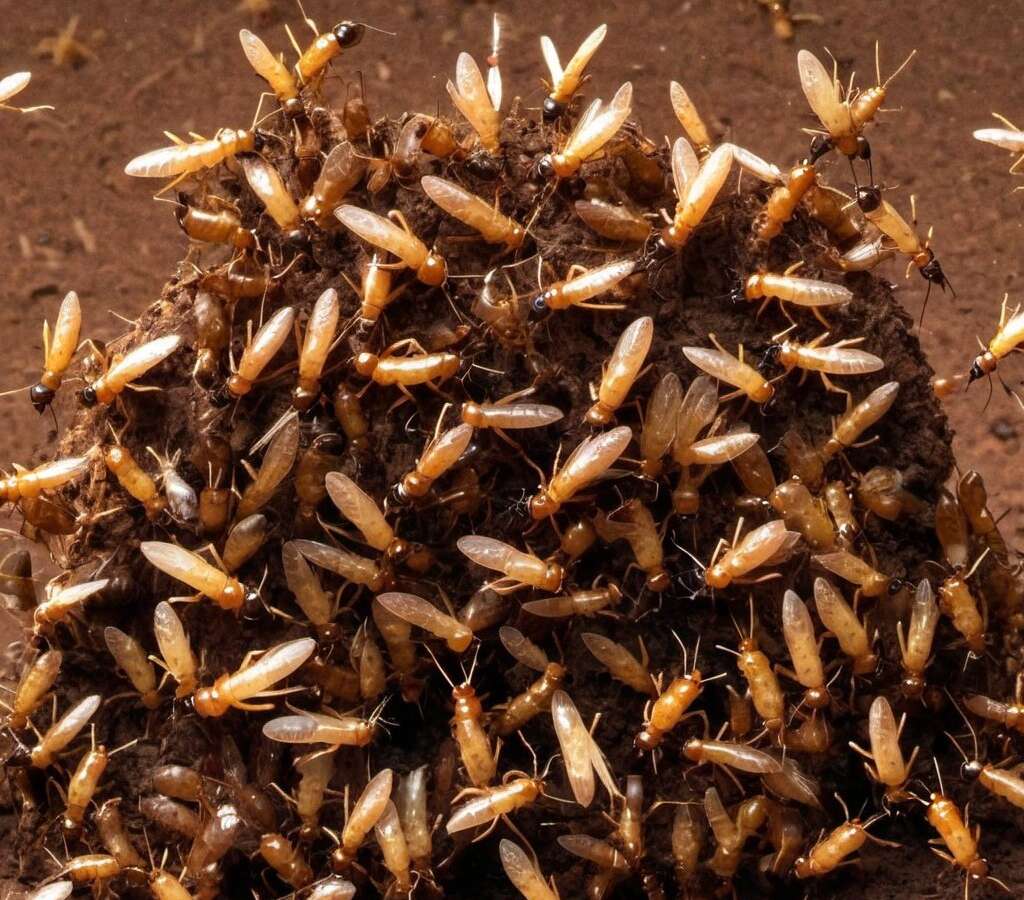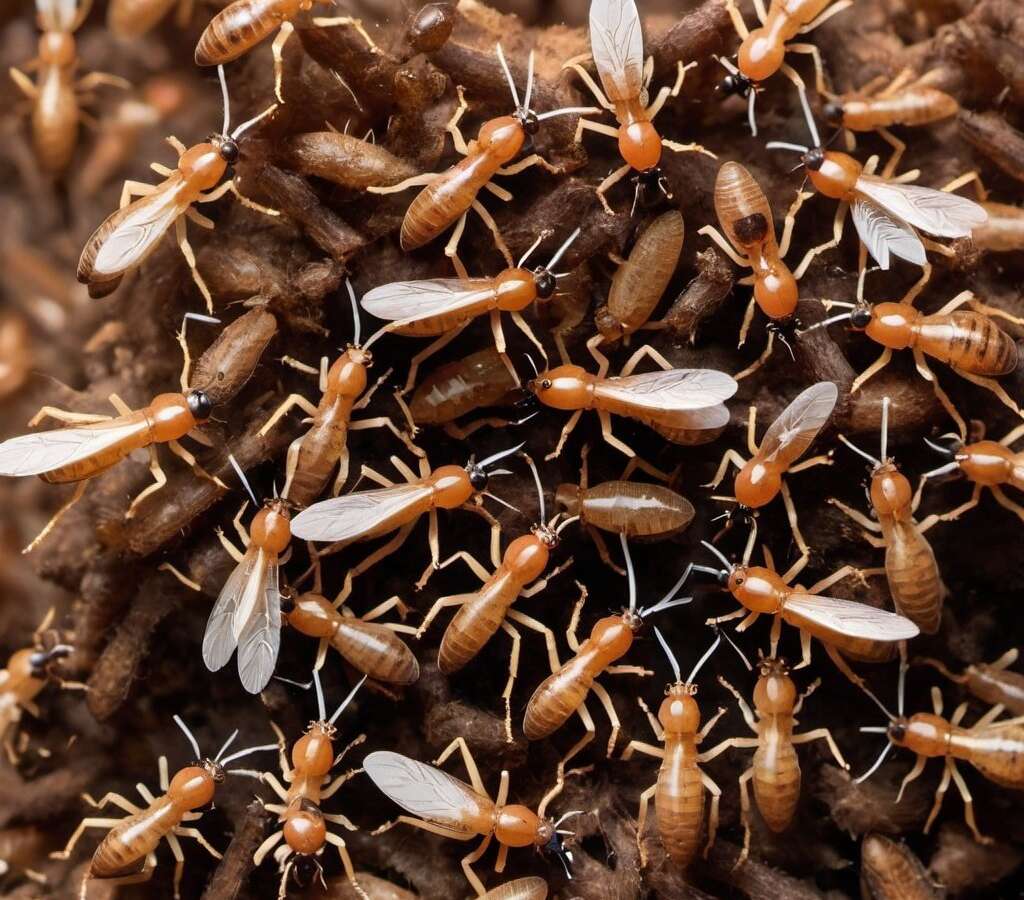

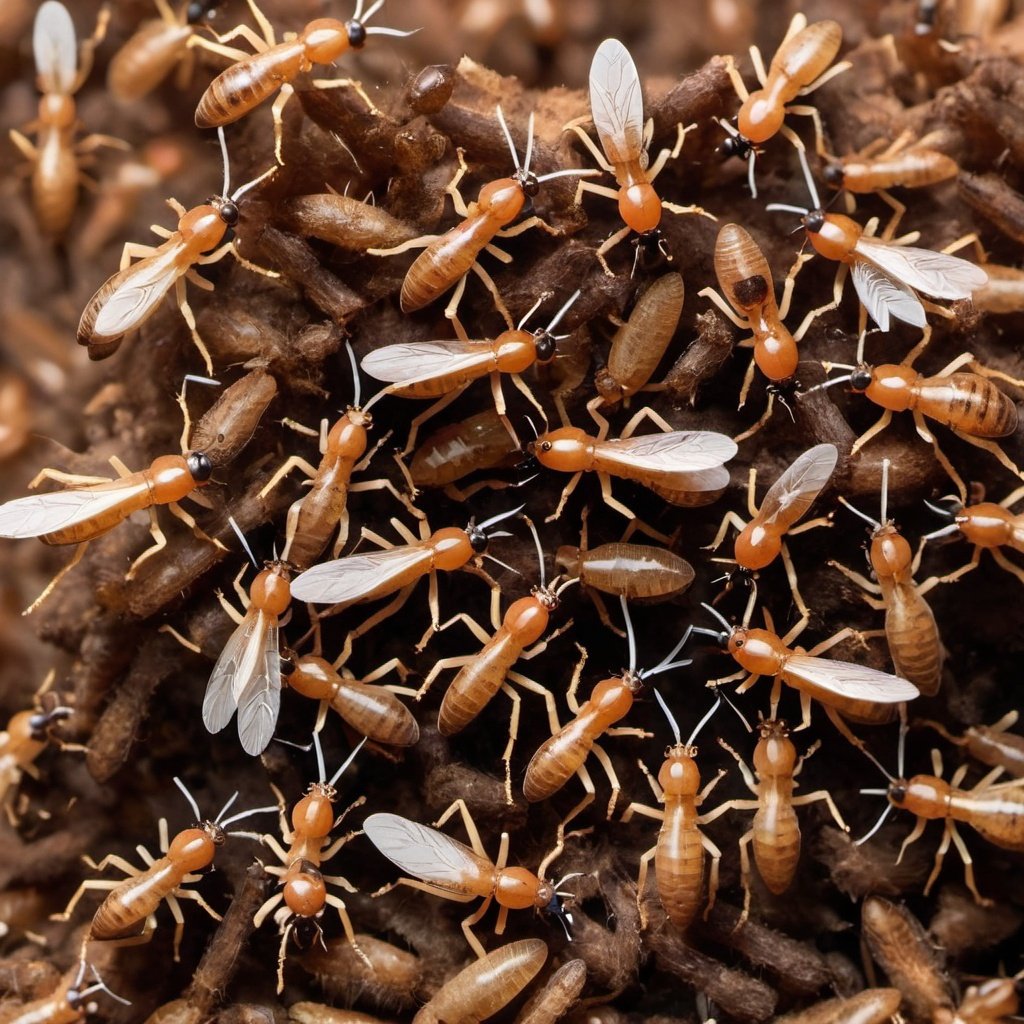

Your home is one of the most expensive investments most of us will make in our lifetime. Homes contain wood and wood-based building materials that can be damaged by termites. In nature, termites play an important role in breaking down dead wood and other plant material. But when they begin feeding on structural wood or other cellulose-containing materials in a building, they can cause significant damage. Keeping termites away from your home is important, and contacting a good Tulsa Exterminator can help you evaluate and protect the property.
Let’s take a look at termites and how they work. Termites are social insects that develop through incomplete metamorphosis. Eggs hatch into immature termites that molt repeatedly as they develop. Unlike insects with complete metamorphosis, termites do not pass through a pupal stage. Their developmental pathway is also more complicated than simply becoming a miniature version of one fixed adult caste.
Termites are able to use cellulose as a food source with help from their digestive system and a community of microorganisms in the gut. Those microbes play an important role in breaking down cellulose and making nutrients available to the termite. University of Kentucky Entomology explains termite biology, colony structure, and their relationship with wood.
Termites also exchange food and microorganisms through a process called trophallaxis. This can involve mouth-to-mouth feeding as well as proctodeal feeding, in which material from the hindgut of one termite is transferred to another. This behavior helps colony members share nutrients and gut microorganisms, including after molting when some termites need to reacquire important gut symbionts.
Termite colonies contain different castes with specialized roles. Workers perform much of the feeding, tunneling, nest maintenance, and care of other colony members. Soldiers help defend the colony. Reproductives are responsible for reproduction, and winged reproductives can leave established colonies to pair up and begin new colonies. Caste development varies among termite groups and is controlled by biological and environmental factors rather than workers simply being reassigned after reaching a single adult stage.
Because termite activity can be hidden inside soil, wood, and structural components, an inspection is important when termite activity is suspected. The U.S. Environmental Protection Agency provides information about termite control and selecting appropriate treatment methods. Treatment options depend on the structure, termite species, and conditions found during the inspection.
Keeping these insects away is very important. A Tulsa Exterminator can inspect for termite activity and recommend appropriate treatment or preventive options. If you’re having a problem with termites or you’re concerned they may be near your home, contact TermMax Pest Control so we can help evaluate the situation and protect your property.