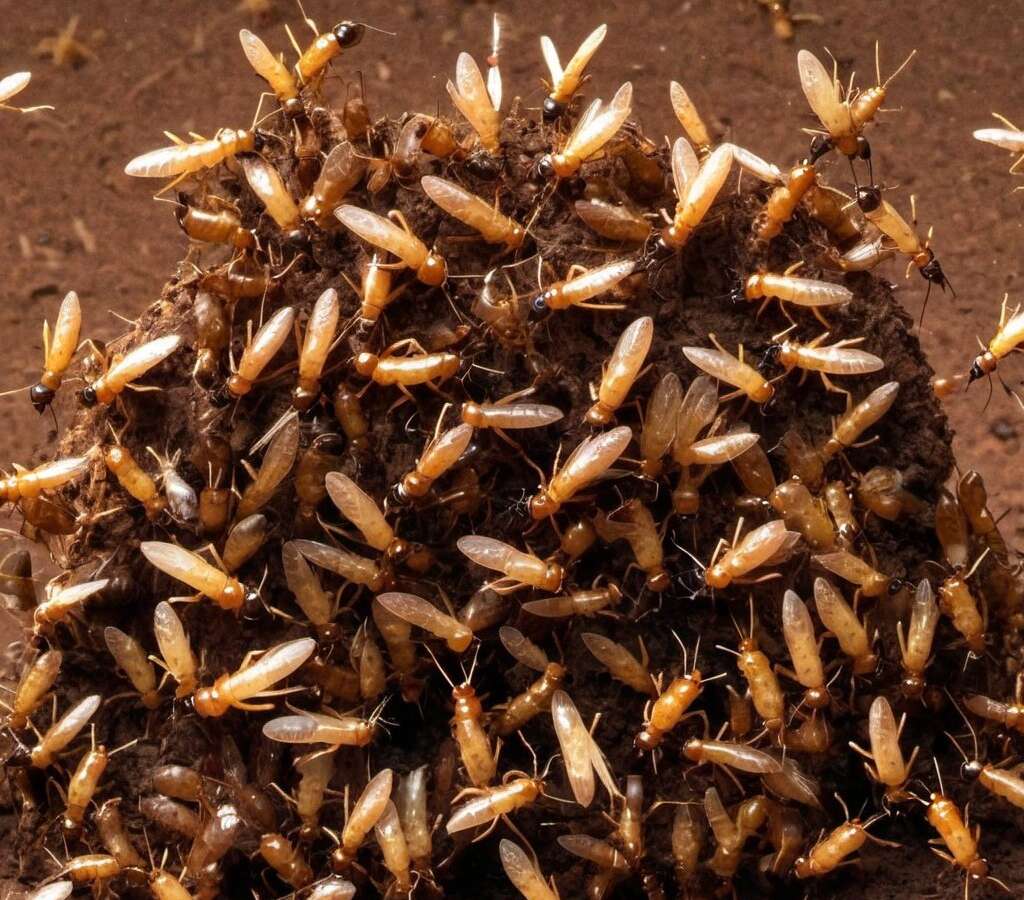

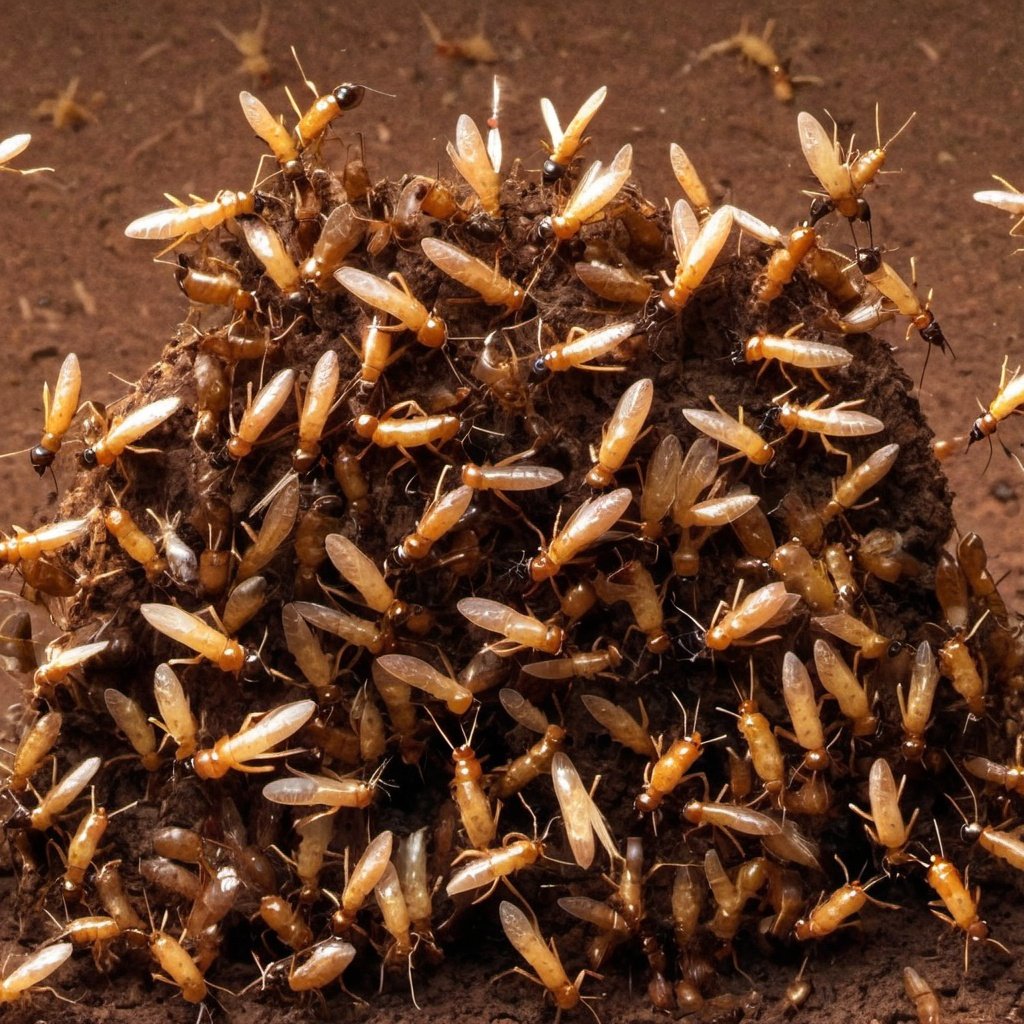

Termites are destructive insects that can damage a home and weaken structural wood. They feed on cellulose found in wood and other plant-based materials, so protecting a home from termite activity is important. A good Tulsa Pest Control company can help you do this. Let’s take a look at termites and how they operate.
Termites develop through incomplete metamorphosis. They begin as eggs, hatch into immature termites called nymphs, and molt as they develop. Unlike insects that undergo complete metamorphosis, termites do not have a larval or pupal stage. Development and caste differentiation are complex, and members of a colony may become workers, soldiers, or reproductives depending on species, colony needs, and developmental pathways. Oklahoma State University Extension provides information about subterranean termite biology, colonies, and termite management.
Termites depend on microorganisms in their digestive systems to help break down cellulose. Colony members also exchange food and microorganisms through trophallaxis, which can occur mouth-to-mouth or through proctodeal feeding. This social exchange helps maintain the microbial community termites need for digestion.
Mature colonies can produce winged reproductive termites called alates. During favorable conditions, alates leave established colonies in swarms, shed their wings, pair up, and search for a suitable place to begin a new colony. In Oklahoma, subterranean termite swarming is commonly associated with warm spring conditions, although exact timing can vary with weather and species.
A new termite colony begins with a male and female reproductive pair. The female becomes the queen and the male remains as the king. The founding pair initially cares for the first eggs and young until workers can take over colony duties. Unlike the original dictation, the king does not normally die once the first workers develop; termite kings can remain with the queen and continue mating throughout the life of the colony. Established colonies can grow large over time, although colony size varies greatly by termite species and conditions.
The U.S. Environmental Protection Agency provides guidance for identifying termites and understanding termite-control options. If you’re having an issue with termites or another pest-control problem, contact a good Tulsa Pest Control company that can inspect the situation and recommend an appropriate solution. TermMax Pest Control can help with termite and other pest-control problems. Contact us today if you think you’re having an issue.